Toddler Wall Toys or Cat Entertainment? You Decide.
Table of Contents
If you’ve invested in toddler wall toys to support your child’s development, you may find an unexpected competitor for playtime: your cat. These interactive setups attract pets for surprising psychological reasons—but with a few smart design choices, you can reclaim the space.
Key Takeaways
- Cats are often drawn to toddler wall toys because the interactive elements can trigger their hunting instincts through unpredictable movements and springy components
- Cat-proofing sensory walls requires a multi-layered approach including scratch-resistant coverings, safe deterrent sprays, and physical barriers
- Smooth surface materials and angled barriers are the most effective design features for preventing cats from climbing wall-mounted play areas
- Creating dedicated cat entertainment zones while using plant-based repellents helps keep both pets and toddlers safely engaged
Why Your Cat Loves Those Wall Toys More Than Your Toddler
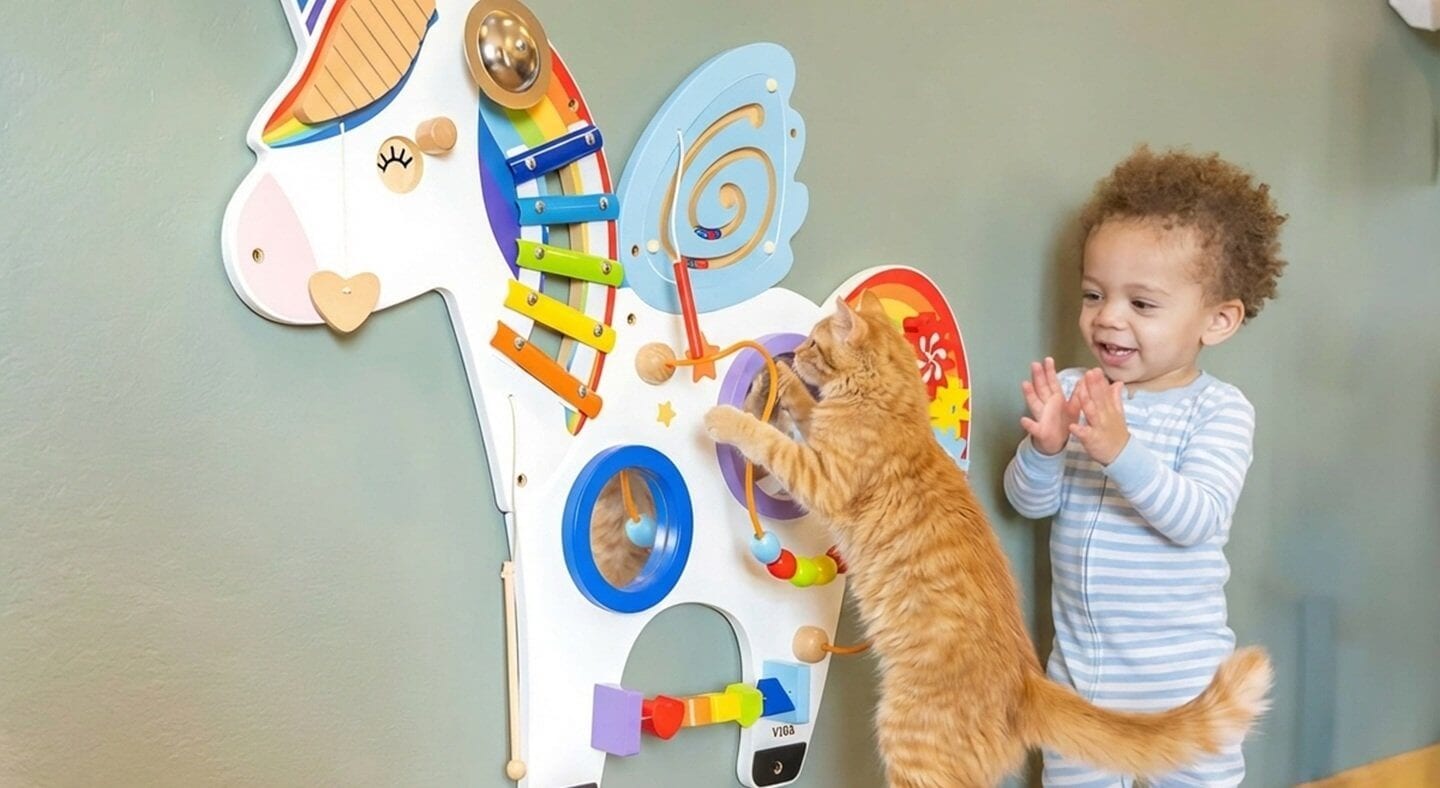
The battle between cats and toddlers over wall-mounted toys isn't just a funny household occurrence—it's rooted in feline psychology and toy design. Many parents find their carefully chosen sensory wall installations become unexpected cat entertainment centers, leaving toddlers watching from the sidelines while their furry siblings claim victory.
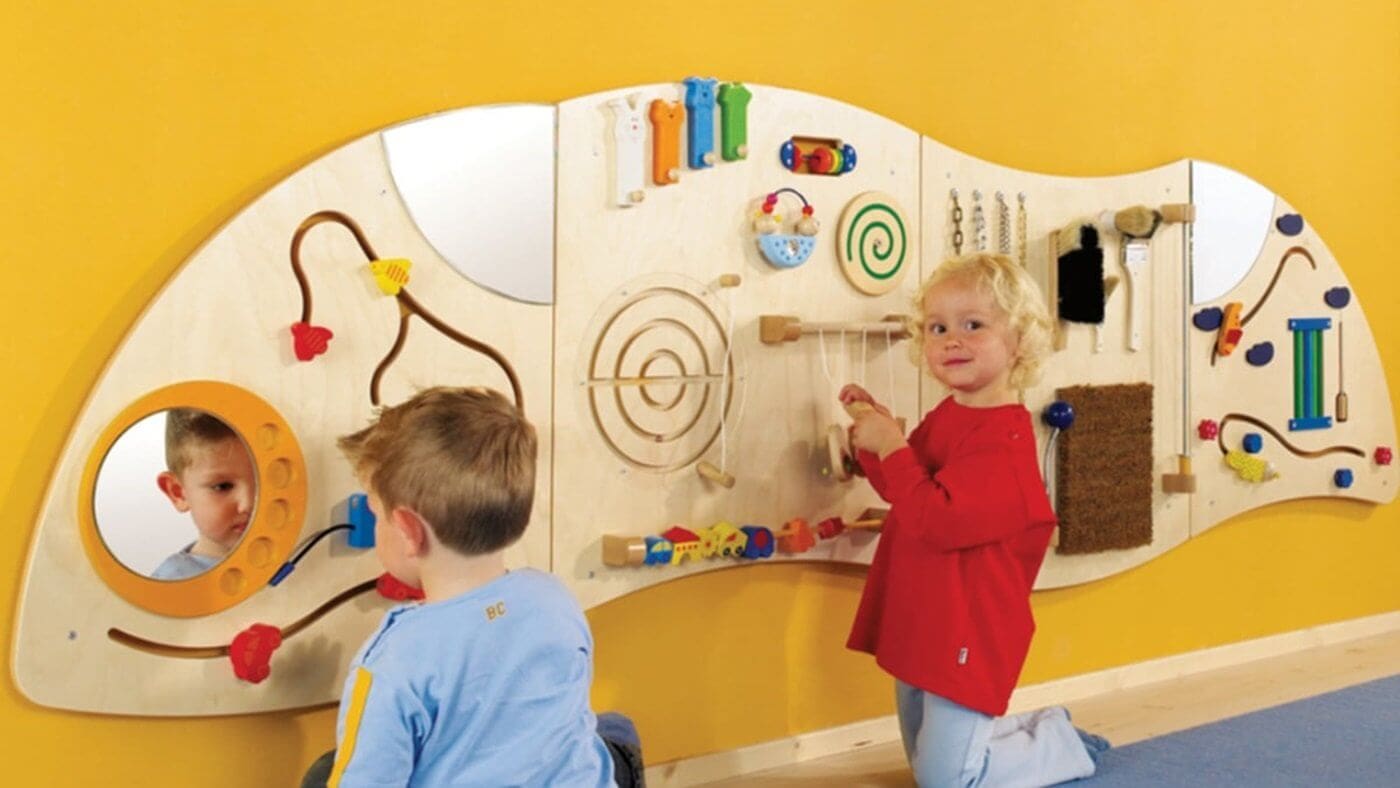
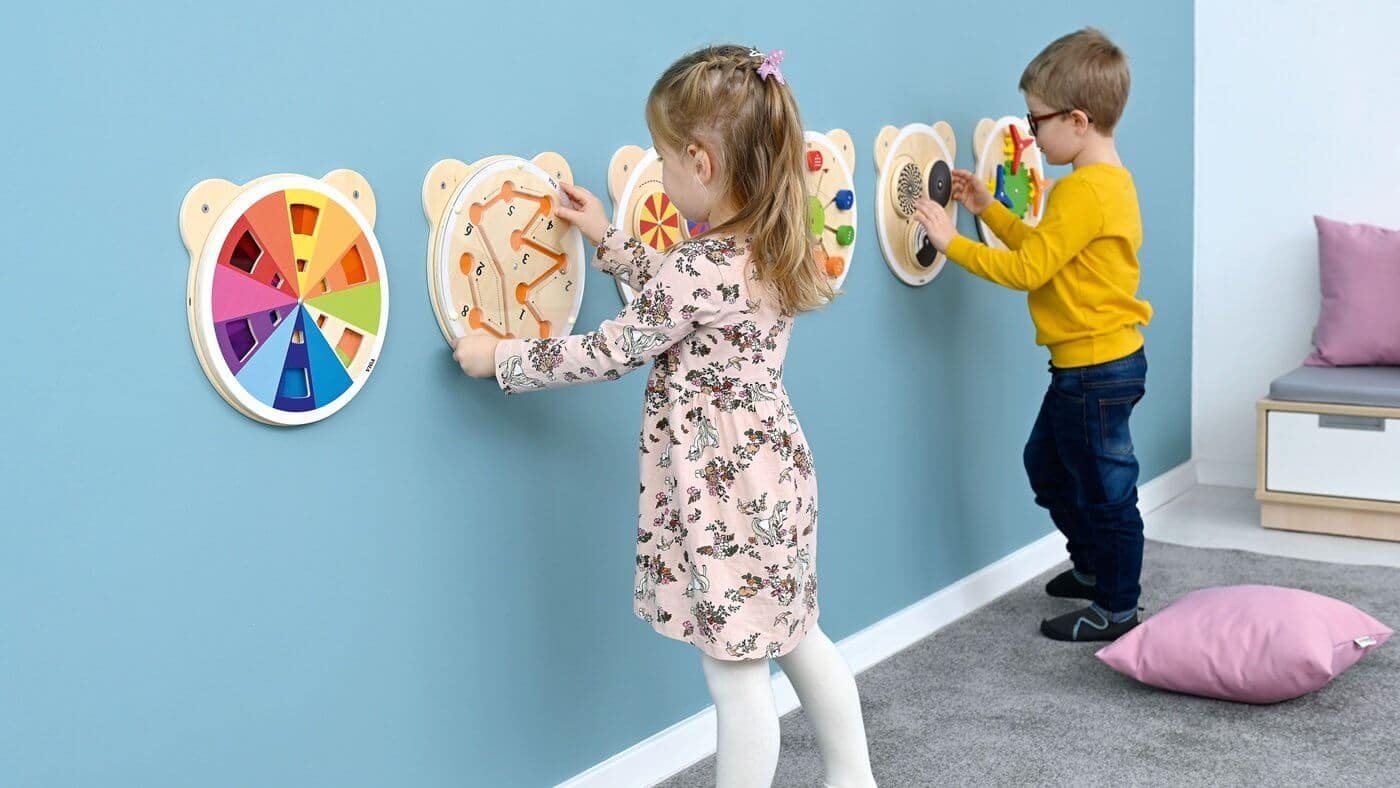
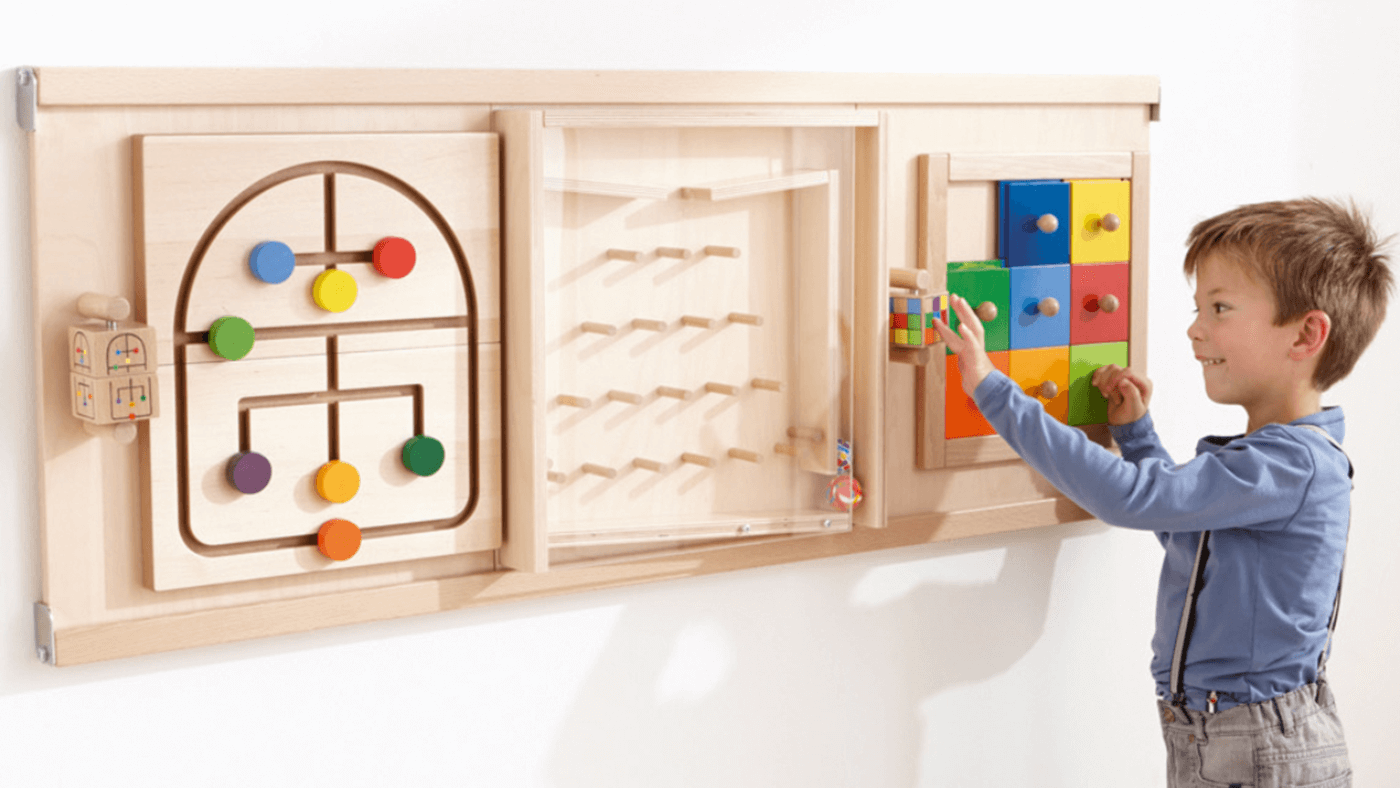
This phenomenon occurs because toddler wall toys often include elements that perfectly align with natural cat behaviors. While these toys are designed to support child development through tactile experiences and motor skill building, they inadvertently create an irresistible playground for cats. The interactive components that benefit toddlers—spinning wheels, dangling elements, and textured surfaces—mirror the exact stimuli that trigger feline play responses.
Understanding this dynamic becomes important for parents investing in quality wall toys for their children. Little People's Cove offers sensory wall solutions that consider both child development and household pet dynamics, helping families create engaging spaces that work for everyone.
What Makes Wall Toys Irresistible to Cats
1. Unpredictable Movement in Toys Mimics Prey and Triggers Hunting Instincts
Wall-mounted toys with moving components create the perfect storm for feline fascination. Spinning gears, wobbling elements, and swinging parts can replicate the erratic movements cats instinctively associate with hunting prey. When a toddler interacts with these toys, the resulting motion patterns become even more unpredictable, intensifying the cat's interest and triggering their natural stalking behaviors.
This hunting response explains why cats often appear more engaged with toddler wall toys than the toddlers they're intended for. The intermittent, irregular movements generated during play sessions activate the same neural pathways cats use when tracking birds or small animals, making these toys nearly impossible for cats to ignore.
2. Springy Components Mimic Erratic Prey Movements Cats Find Appealing
Many sensory wall toys include springs, flexible wires, or bouncy elements designed to provide tactile feedback for developing toddlers. These springy components create movements that closely resemble the darting, unpredictable motions of small prey animals. When cats observe or interact with these elements, their predatory instincts activate immediately.
The elasticity and rebound action of springy toy components particularly appeal to cats because they mirror the escape behaviors of natural prey. This explains why cats often become fixated on toddler wall toys with flexible or bouncing elements, sometimes to the point of completely monopolizing the play area intended for children.
3. Interactive Elements Engage Cats in Play and Prevent Boredom
Wall toys designed for toddler engagement often feature multiple interactive zones with varying textures, sounds, and movable parts. These multi-sensory experiences provide cats with the mental stimulation they crave, especially indoor cats who may lack sufficient environmental enrichment. The combination of tactile, visual, and sometimes auditory stimuli creates an engaging experience that can occupy cats for extended periods.
The accessibility of wall-mounted toys also appeals to cats' natural curiosity and need for vertical territory. Unlike floor toys that may lose their novelty quickly, wall-mounted interactive elements remain consistently available and visible, providing ongoing stimulation throughout the day.
Unicorn Activity Wall Panel
$149.99
Unicorn Activity Wall Panel - Sensory Exploration for Imaginative Play Bring magic to learning with the Unicorn Activity Wall Panel. This colorful sensory wall panel… read more
Shop Now!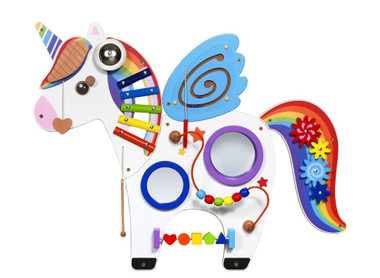
Cat-Proofing Your Toddler's Sensory Wall
1. Install Scratch-Resistant Protective Coverings to Prevent Surface Damage
Protecting sensory wall investments requires strategic use of durable materials that withstand feline interaction. Clear acrylic or plexiglass panels installed over delicate components provide an effective barrier while maintaining toy accessibility for toddlers. These smooth surfaces resist scratching and can be easily cleaned, preserving both functionality and appearance.
When selecting protective coverings, choose materials thick enough to prevent claw penetration but transparent enough to maintain visual appeal. Properly installed protective panels allow toddlers to continue enjoying tactile experiences while preventing costly damage from cat claws and teeth.
2. Apply Safe Plant-Based Cat Deterrent Sprays
Plant-based repellent sprays can offer a non-toxic solution for discouraging feline interest in toddler play areas. Products containing natural ingredients like citrus extracts or plant oils create scents cats find unpleasant without posing health risks to children. These deterrents work best when applied consistently and reapplied according to manufacturer instructions.
Effective application involves targeting areas where cats typically approach or climb, such as the base of walls or around particularly appealing toy components. Always verify that chosen deterrent products are specifically labeled as safe for use around both children and pets before application.
3. Use Physical Barriers and Gates to Restrict Cat Access
Strategic placement of baby gates or pet barriers creates designated cat-free zones while maintaining toddler accessibility. Gates with spacing designed to prevent cat passage but allow adult supervision provide an effective physical deterrent. This approach works particularly well in dedicated playrooms or specific areas of larger rooms.
Consider adjustable or removable barriers that can be deployed during supervised toddler play sessions and stored when not needed. This flexibility allows families to manage space usage effectively while accommodating both children's developmental needs and household pet management.
4. Create Alternative Cat Entertainment Zones
Redirecting feline attention requires providing equally engaging alternatives in cat-appropriate areas. Wall-mounted cat shelves, climbing trees, and interactive cat toys positioned away from toddler spaces help satisfy cats' need for stimulation while preserving child play areas. The key lies in making cat alternatives more appealing than toddler toys.
Successful redirection involves strategic placement of cat entertainment at heights and locations that appeal to feline preferences for vertical territory and observation points. Regular rotation of cat toys and interactive elements maintains novelty and sustained interest in designated cat zones.
Design Features That Deter Cat Climbing
1. Smooth, Slippery Surface Materials
Including smooth materials like polished metal, glass, or high-quality plastics into sensory wall design creates surfaces cats struggle to grip effectively. These materials prevent successful claw engagement, making climbing attempts difficult and discouraging repeated efforts. The lack of texture that cats rely on for climbing creates a natural deterrent without requiring additional products or interventions.
When selecting materials, prioritize surfaces that maintain their smooth properties over time and resist scratching or wear that could create grip points for determined cats. Regular cleaning of smooth surfaces ensures continued effectiveness while maintaining the aesthetic appeal of sensory wall installations.
2. Angled Barriers and Overhanging Elements
Strategic architectural features can physically prevent cats from accessing or continuing climbs on sensory walls. Angled surfaces installed above toddler-accessible areas force cats to lose balance and abandon climbing attempts safely. Overhanging elements create additional obstacles that make successful scaling nearly impossible.
These design features work most effectively when integrated seamlessly into the overall sensory wall aesthetic rather than appearing as obvious afterthoughts. Well-designed angled barriers can improve the visual appeal of wall installations while serving their protective function.
Animal Activity Wall Panel Set
$349.80
Animal Activity Wall Panels - Sensory Play for Early Learning Skills Turn walls into fun learning zones with the Animal Activity Wall Panels. This colorful… read more
Shop Now!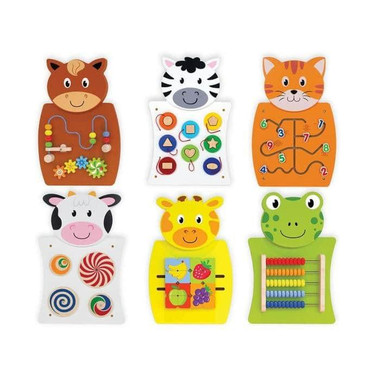
Safe Cat Deterrent Products for Toddler Areas
1. Plant-Based Repellent Sprays
Commercial plant-based deterrent sprays offer reliable, non-toxic solutions for maintaining cat-free toddler spaces. Products utilizing natural plant extracts create scents cats avoid without introducing harmful chemicals into child play environments. These sprays typically require regular reapplication but provide consistent results when used properly.
Application techniques involve targeting specific areas rather than broad coverage, focusing on entry points and particularly attractive toy components. Following manufacturer instructions ensures maximum effectiveness while maintaining safety standards for households with both cats and toddlers.
2. Motion-Activated Ultrasonic Devices That Emit Cat-Deterring High Frequencies
Ultrasonic deterrent devices provide automated protection by detecting cat movement and emitting high-frequency sounds that discourage approach without affecting children or adults. These battery-operated devices can be strategically positioned to protect specific areas of sensory walls while remaining unobtrusive to human users.
Many ultrasonic devices include adjustability features allowing customization of sensitivity and range to match specific room layouts and protection needs. The automated nature of these deterrents provides consistent protection even when direct supervision isn't possible.
3. Double-Sided Tape and Safe Texture Barriers
Double-sided tape can create an immediate physical deterrent that most cats find unpleasant without causing harm. Heavy-duty varieties designed for pet deterrence provide stronger adhesion and longer-lasting effectiveness than standard household tapes. Strategic placement around wall toy perimeters creates boundaries cats quickly learn to avoid.
Texture barriers including safe materials like aluminum foil or plastic carpet runners positioned with textured sides up can create uncomfortable surfaces that discourage cat approach. These solutions work particularly well for temporary protection during specific play sessions or training periods.
Keep Both Your Cat and Toddler Happy with Smart Solutions
Successfully managing multi-pet households with toddlers requires balancing competing needs through thoughtful planning and strategic interventions. The most effective approaches combine multiple deterrent methods while ensuring both cats and children have appropriate outlets for their natural behaviors and developmental needs.
Creating harmonious households involves recognizing that cats' attraction to toddler wall toys stems from legitimate behavioral needs that require redirection rather than suppression. By providing engaging cat alternatives while protecting child play spaces, families can achieve environments where both species thrive without constant conflict over territory or toys.
Long-term success depends on consistency in applying chosen strategies and willingness to adjust approaches based on individual cat personalities and household dynamics. The investment in proper planning and implementation pays dividends in reduced stress for all family members and preserved investment in child development resources.
Find expertly designed toddler wall toys that consider the whole family dynamic at Little People's Cove, where child development and household harmony come together.
FAQs
Is it safe for my cat to play with toddler toys?
It can be safe for your cat to play with toddler toys, but it really depends on the type of toy and how sturdy it is. Many solid wooden toys, large plastic pieces, and wall-mounted activity panels are generally fine for curious cats to bat at or observe. However, toys with small detachable parts, strings or ribbons, plush filling, or chewable rubber pieces can pose choking or digestive risks if a cat tries to bite or shred them. Cats also introduce fur, dander, and saliva onto shared play surfaces, so it’s a good idea to clean toys regularly—especially if your toddler still puts things in their mouth. In general, durable toys are safe for brief cat exploration, while anything fragile, chewable, or small should be kept out of reach. Offering your cat their own enrichment toys can also help redirect their attention away from your toddler’s favorites.
What toys should I give my cat so they stop bothering the toddler’s toys?
Cats often go after toddler toys because they’re colorful, make noise, or move in interesting ways—so giving your cat alternatives that satisfy those same instincts can help keep them away from your child’s playthings. Look for toys that tap into natural feline behaviors like chasing, pouncing, scratching, and exploring. Wand toys, motion-activated balls, and lightweight objects they can bat around mimic the movement and excitement of toddler toys. Scratching posts and textured mats give them a designated place to dig their claws instead of a child’s activity wall. Puzzle feeders or treat-dispensing toys provide mental stimulation and can keep them occupied for longer stretches, reducing the temptation to wander into the play area. You can also rotate your cat’s toys regularly so they always feel “new,” and place a few near—but not inside—the toddler play zone to redirect their curiosity. The goal isn’t to ban your cat from the space entirely; it’s to give them something equally fun that fulfills their instincts in a safer, more appropriate way.
Is it normal for my cat to get jealous of my toddler’s toys?
Yes, it’s completely normal for cats to seem “jealous” of your toddler’s toys—or even of the toddler themselves. Cats are territorial by nature, and anything new, noisy, or attention-grabbing in their environment can spark curiosity or mild competition. Toddler toys often move, light up, make sounds, or involve interaction, which can look to a cat like you’re giving attention to something that should belong to them. In many cases, the behavior isn’t true jealousy but a mix of instinctual reactions: wanting to investigate new objects, seeking your attention, or trying to claim a familiar space that now feels different.
Cats may sit on toys, swat at them, or insert themselves into toddler playtime simply because they want to be included—or because the toys mimic prey-like movement. As long as your cat isn’t becoming aggressive, this behavior is harmless and totally typical. Offering designated cat toys, cozy spots near but not inside the play area, and a bit of extra affection can help your cat feel secure and reduce their urge to “compete” for your attention.