
Our tricycles and bikes are ride-on vehicles designed to support pedaling, steering, balance, and coordinated movement outdoors. Commonly used in playgrounds, schoolyards, and shared outdoor play spaces, these riding options help children build confidence, coordination, and spatial awareness through active movement. Built for durability and regular outdoor use, tricycles and bikes encourage physical activity, social interaction, and purposeful riding play.
Products List
-

 - 9%- 9%
MYRIDER 14" Maxi Children's Tricycle
CF-AFB3630$364.98$399.74MyRider® Maxi Children's Tricycle - Adjustable Preschool Trike for Active Play Built for confident young riders ready to pedal and explore, the MyRider® Maxi Children's Tricycle delivers durable performance, smart adjustability, and classic... -

 - 9%- 9%
MYRIDER 8" Mini Pusher Toddler Tricycle
CF-AFB3600$267.96$293.48MyRider® Mini Pusher Toddler Tricycle - Pedal-Free Ride-On for Early Mobility Designed especially for the youngest riders, the MyRider® Mini Pusher Toddler Tricycle offers a safe, confidence-building introduction to riding-without pedals. This... -

 - 9%- 9%
SILVERRIDER 10" Toddler Trike
CF-AFB0100SR$300.30$328.90SilverRider® 10" Toddler Trike - Classic First Tricycle for Confident Young Riders Designed to support early riding success, the SilverRider® 10" Toddler Trike offers a stable, easy-to-use introduction to pedaling for young children. With its... -

 - 9%- 9%
SILVERRIDER 12" Preschool Trike
CF-AFB0200SR$332.64$364.32SilverRider® 12" Preschool Trike - Classic Durable Tricycle for Active Young Riders Built for everyday riding and long-lasting performance, the SilverRider® 12" Preschool Trike is a trusted staple in early learning playgrounds. Designed for... -

 - 9%- 9%
SILVERRIDER 14" Children's Super Cycle Trike
CF-AFB1500SR$346.50$379.50SilverRider® Children's Super Cycle Trike - Comfort-Focused Preschool Tricycle for Confident Riders Built for comfort, durability, and confident pedaling, the SilverRider® Children's Super Cycle Trike is a classic favorite for active preschoolers... -

 - 9%- 9%
SILVERRIDER 14" Preschool Trike
CF-AFB0300SR$355.74$389.62SilverRider® 14" Preschool Trike - Durable Classic Tricycle for Confident Young Riders Built for daily riding and years of dependable performance, the SilverRider® 14" Preschool Trike is a classroom and playground staple designed for confident... -

 - 9%- 9%
SILVERRIDER 8" Pedal Pusher Toddler Trike
CF-AFB3200SR$281.82$308.66SilverRider® 8″ Pedal Pusher Toddler Trike - Durable First Tricycle for Early Riders Built for confidence, safety, and long-lasting performance, the SilverRider® 8″ Pedal Pusher Toddler Trike is an ideal first ride for young children... -

 - 9%- 9%
SILVERRIDER 8" Pusher Toddler Trike
CF-AFB3210SR$267.96$293.48SilverRider® 8″ Pusher Toddler Trike - Pedal-Free First Ride for Confident Beginners Built to support the very first riding experiences, the SilverRider® 8″ Pusher Toddler Trike offers a safe, stable, and confidence-building way for... -

 - 9%- 9%
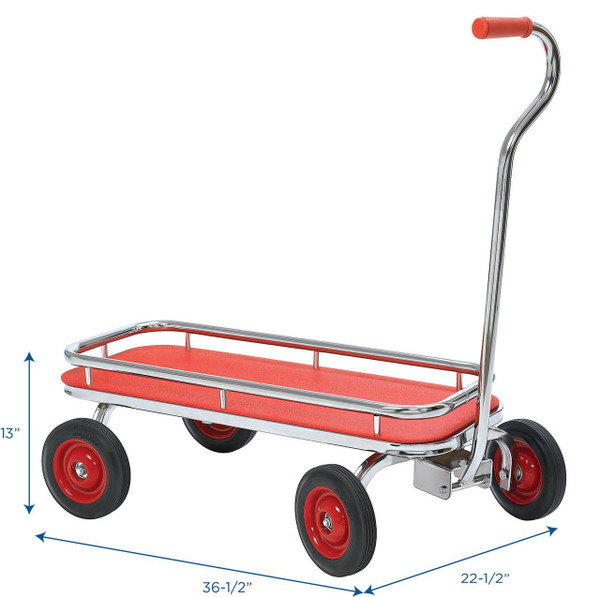
SILVERRIDER Wagon with 8" Wheels
CF-AFB0700SR$332.64$364.32SilverRider® Wagon - Heavy-Duty Ride-On Wagon for Toddler & Preschool Play Built for safety, strength, and shared fun, the SilverRider® Wagon is a durable, ride-on solution designed for transporting little passengers during outdoor play. With... -

 - 9%Made in USA- 9%Made in USA
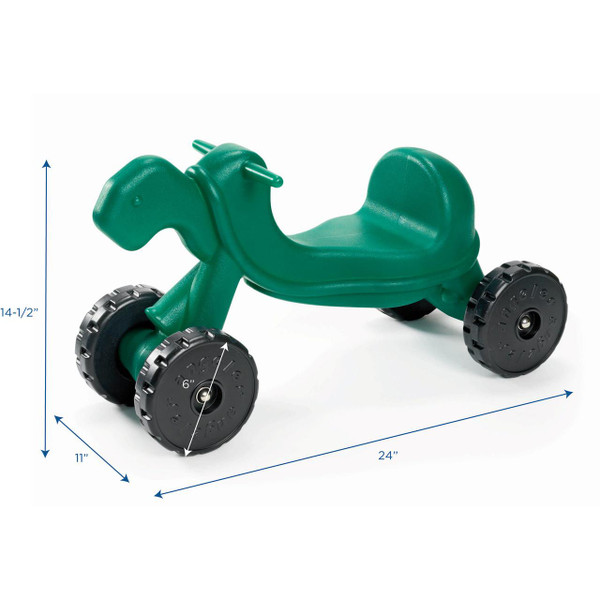
Tortoise & Hare Ride-On Scooter Pair
CF-AFB2815SET$434.28$475.64Get ready for nonstop smiles with our Tortoise and Hare Ride-On Scooter Pair! Designed for toddlers, these sturdy ride-ons scooters let little ones sit and push with their feet, giving them full control over speed and stopping. Crafted from durable,... -

 - 9%Made in USA- 9%Made in USA
Tortoise Ride-On Toddler Scooter
CF-AFB2800$217.14$237.82Hare Ride-On Scooter - Toddler Ride-On Toy For Motor Skills Development Hare Ride-On Scooter brings fun and active play to growing toddlers. This Toddler Ride-On Toy lets little ones sit, push, and move at their own pace. The sturdy design and smooth...
(:1f476:) What ages work best with preschool tricycles and bikes?
Childcare tricycles suit ages 1½–4 with 10–12 inch low seats and helper wheels; balance bikes fit 18 months–3 years for pre-pedaling. School bikes for 4–7 year olds have 14–16 inch wheels and adjustable handlebars for safe outdoor group play.
(:1f9e0:) What developmental benefits do kids tricycles provide?
Preschool tricycles and bikes build leg strength, balance, coordination, and spatial awareness through pedaling on playground paths. They teach turn-taking, traffic rules, and confidence, enhancing motor planning for pediatric therapy during outdoor recess.
(:1f6e1:)️ What safety standards apply to childcare tricycles and bikes?
Choose ASTM F1961-compliant trikes with enclosed chains, no-pinch pedals, low gravity centers, and 40–50 lb weight limits; helmets required per AAP guidelines. 1:10 supervision, rubber tires, and parent push-handles prevent falls on preschool playgrounds.
(:1f4cf:) What size tricycles fit childcare playgrounds and schools?
12–16 inch trikes for 2–5 year olds need 4–5 ft turning radius on paths; lowrider bikes (18–20 inch) suit older preschoolers. Plan storage for 1 trike per 3–4 kids with 75 sq ft/child clearance per WA outdoor play rules.
(:1f3e5:) Are kids bikes good for pediatric therapy riding?
Yes, adaptive tricycles with hand pedals, straps, or extended frames target leg strength, bilateral coordination, and vestibular input outdoors. Low-step designs integrate special needs kids safely with peers on playground tracks.
