
Discover Our Interactive Touch Table – A Customer Favorite!
Products List
-

 - 13%Made in USA- 13%Made in USA
Bees & Flowers Play From The Top Game Table - 22" H
PS-CFY1452226xxx$894.60$1,028.79Square Bees & Flowers Play-From-The-Top Game Table - Interactive Activity Table for Kids Bright, engaging, and thoughtfully designed, the Square Bees & Flowers Play-From-The-Top Game Table by Playscapes transforms everyday spaces into hubs of... -

 - 13%Made in USA- 13%Made in USA
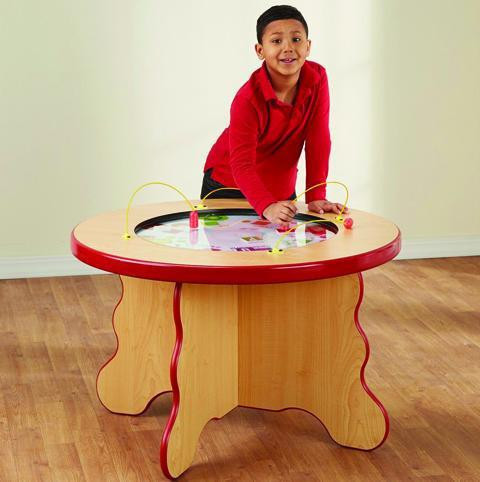
Bees & Flowers Round Children's Activity Table
PS-CFY15536xxxxx$1,071.00$1,231.65Bees & Flowers Round Magnetic Sand Activity Table - Mess-Free Matching & Calm Sensory Play Both a charming piece of artwork and an engaging hands-on activity, the Bees & Flowers Round Magnetic Sand Activity Table adds beauty, learning, and... -
 - 13%Made in USA- 13%Made in USA
Fruits & Veggies Children's Play Table
PS-15-MPT-F&V$1,034.60$1,189.79Fruits & Veggies Magnetic Play Table - Eat a Rainbow with Hands-On Nutrition Play Turn healthy habits into playful discovery with the Fruits & Veggies Magnetic Play Table, an interactive nutrition-themed magnetic activity table that invites... -

 - 13%Made in USA- 13%Made in USA
Funny Face Magnetic Activity Table - 18" H
PS-CFY1401826xxx$894.60$1,028.79Funny Face Magnetic Activity Table - Creative Face Builder for Imaginative Play Bring laughter and creativity to play areas with the Funny Face Magnetic Activity Table. This playful magnetic activity play table lets children design silly faces using... -

 - 13%Made in USA- 13%Made in USA
Funny Face Magnetic Activity Table - 22" H
PS-CFY1402226xxx$894.60$1,028.79Funny Face Magnetic Activity Table - Silly Face Builder for Creative Play Spark laughter and creativity with the Funny Face Magnetic Activity Table - 22" H. This engaging magnetic activity play table lets children design silly faces using magnetic wands... -

 - 13%Made in USA- 13%Made in USA
Funny Face Round Magnetic Play Table
PS-CFY15636xxxxx$1,071.00$1,231.65Funny Face Round Magnetic Sand Activity Table - Mess-Free Matching & Imaginative Play for Kids Equal parts interactive artwork and hands-on play, the Funny Face Round Magnetic Sand Activity Table brings laughter, creativity, and learning together in... -

 - 13%Made in USA- 13%Made in USA
Glow Maze Activity Table
PS-15-GBT-000$905.80$1,041.67Glow Maze Activity Table - Magnetic Maze Play Table for Waiting Rooms & Learning Centers An eye-catching blend of problem-solving play and modern design, the Glow Maze Activity Table instantly draws children in with its glowing neon pathways and... -
 - 6%Made in USA- 6%Made in USA
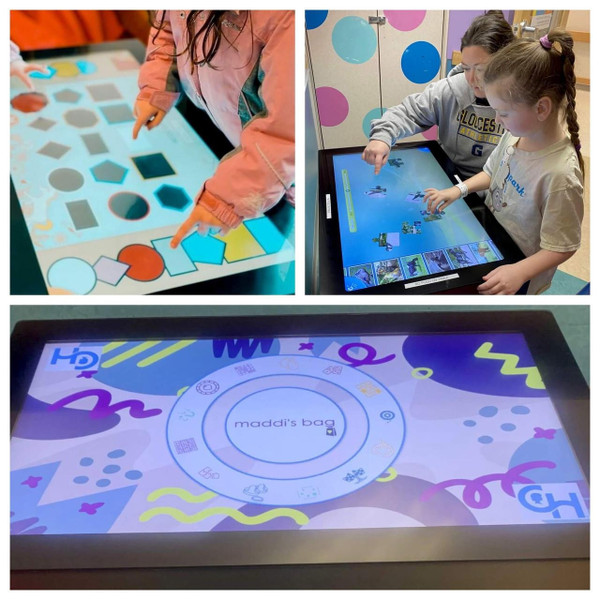
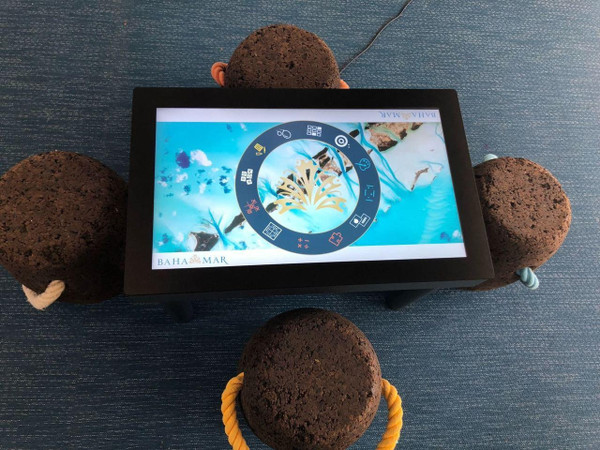
Interactive Play Touch Table w/Custom Company Logo
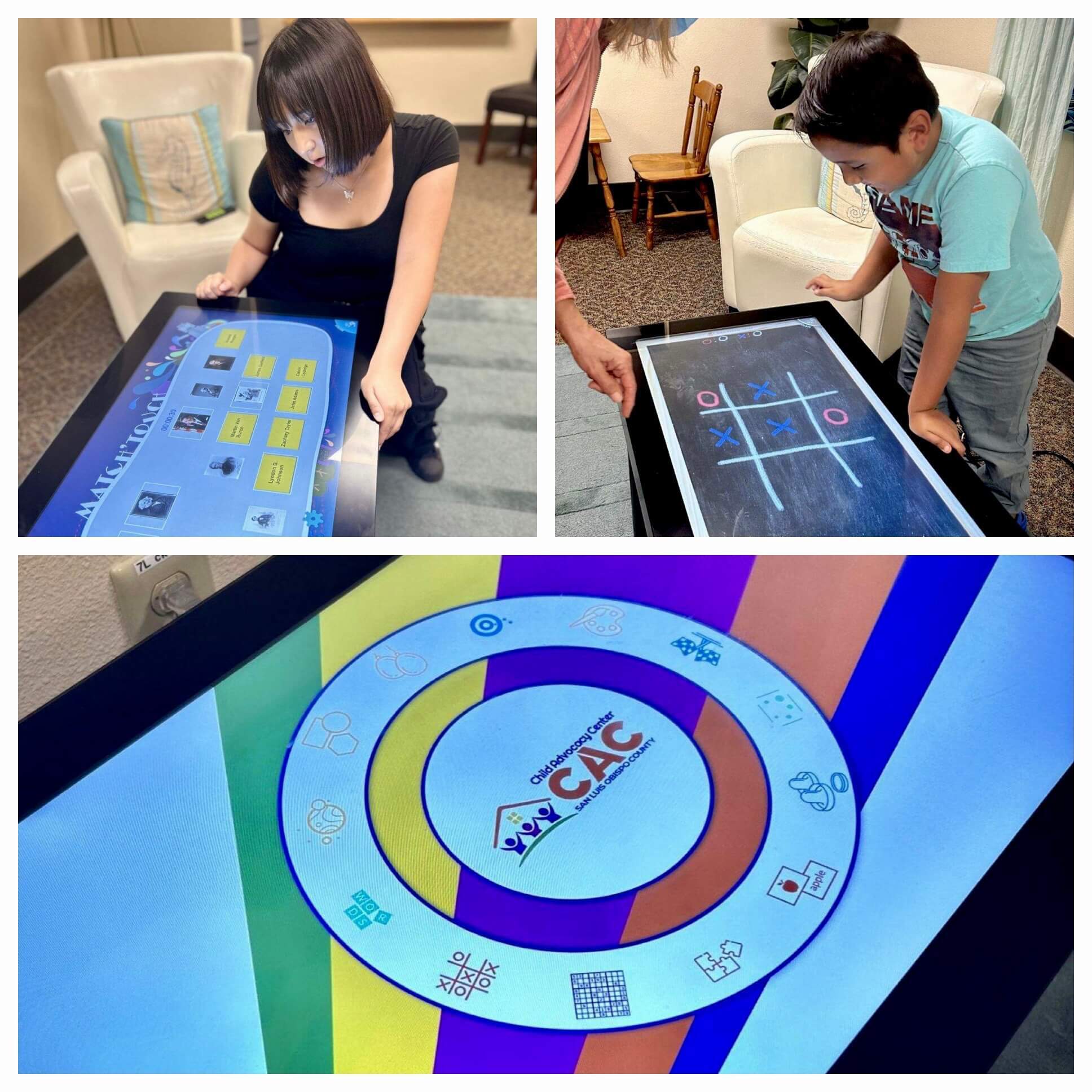
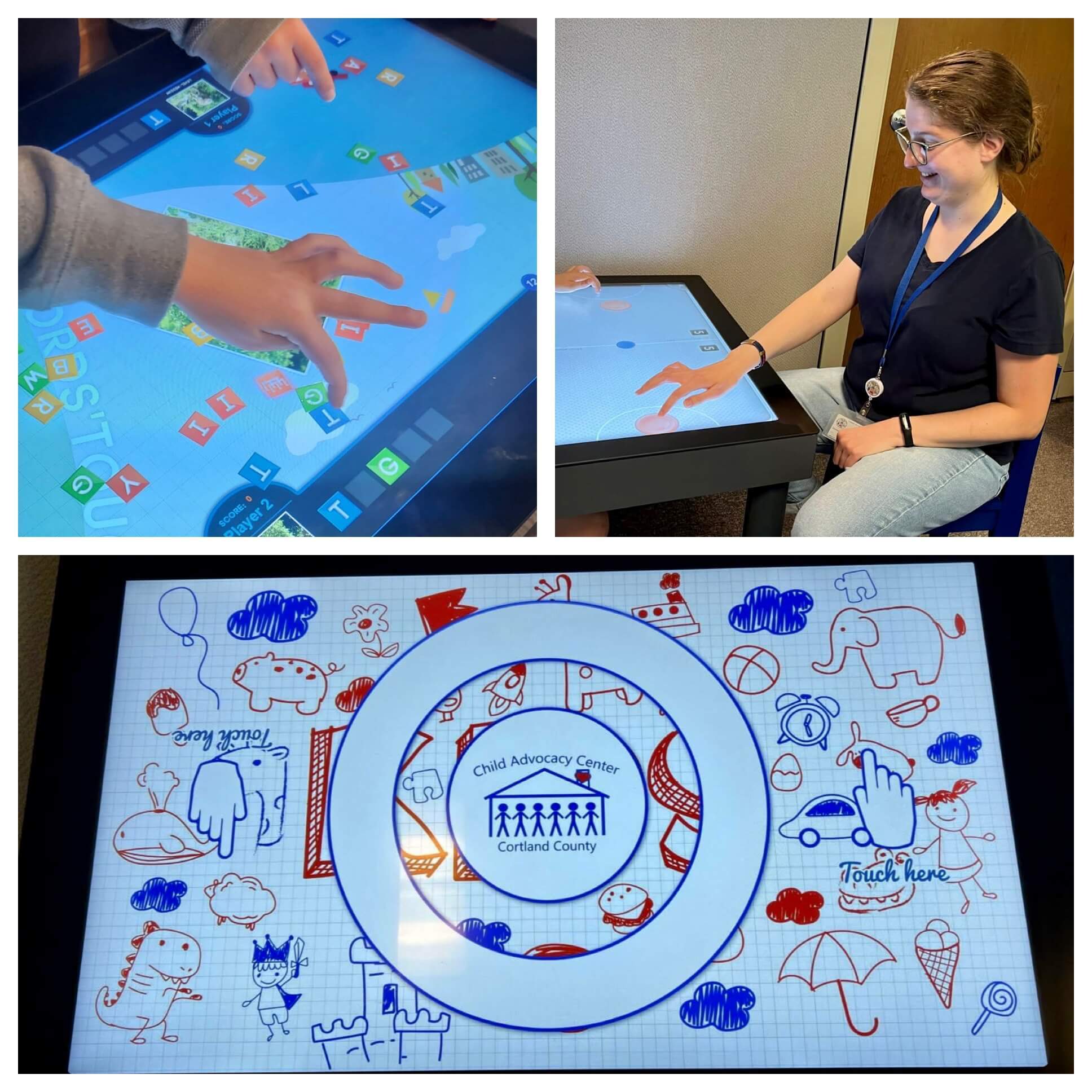
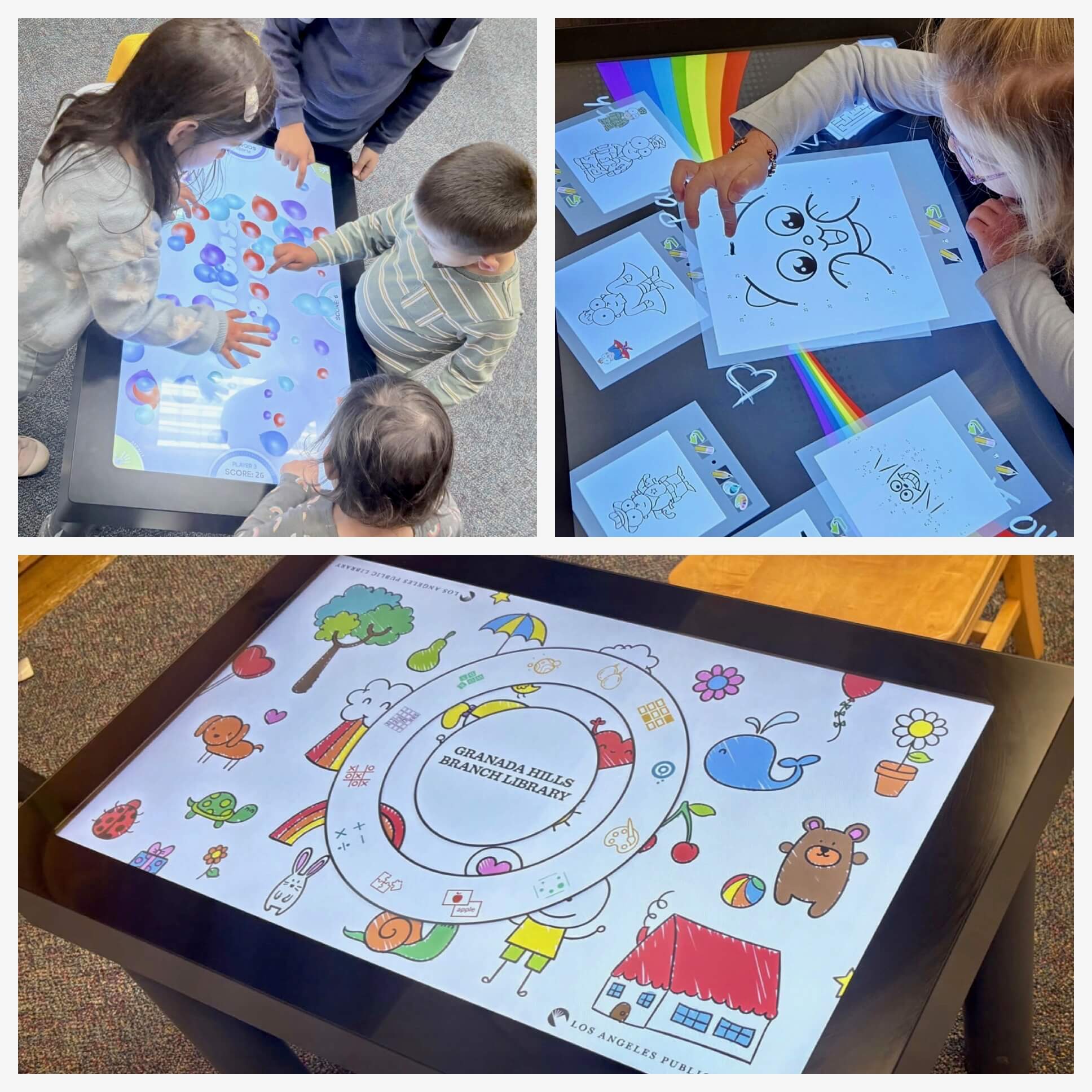
AM-Play-Table$6,975.00$7,441.0032" Interactive Play Touch Table - Multi-Player Digital Activity Center for High-Traffic Family Spaces Elevate every guest experience with the 32" Interactive Play Touch Table, a durable, commercial-grade digital activity center designed for continuous... -

 - 13%Made in USA- 13%Made in USA
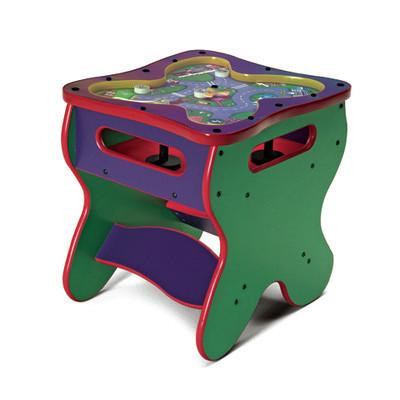
Magnetown Magnetic Acivity Table
PS-15-MGN-000$961.80$1,106.07Magnetown Magnetic Activity Table - City Storytelling Play for Imagination Turn waiting time into creative exploration with the Magnetown Magnetic Activity Table. This engaging magnetic city activity table lets children guide characters through a... -
 - 13%Made in USA- 13%Made in USA
MyPlate Magnetic Activity Table
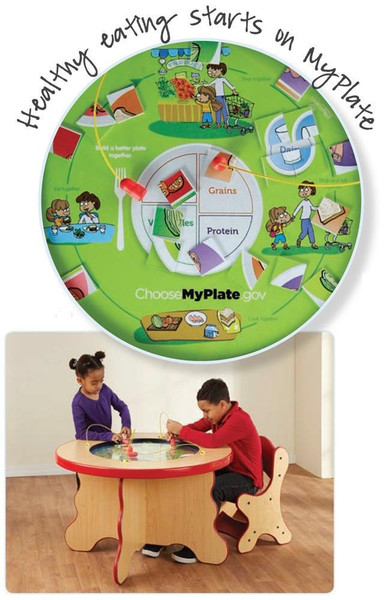
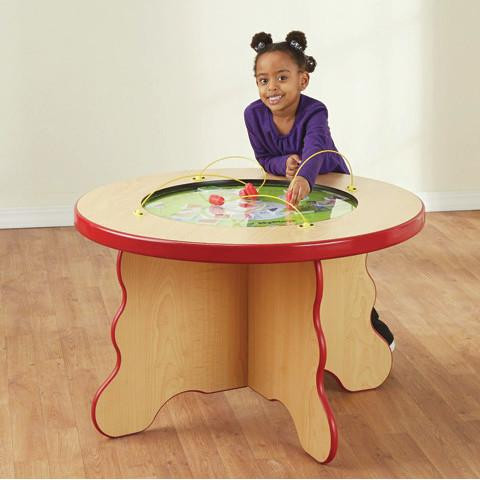
PS-15-MPT-MYP$1,034.60$1,189.79MyPlate Magnetic Activity Table - Nutrition Learning Activity for Early Skills Help children learn about healthy food with the MyPlate Children's Magnetic Play Table. This engaging nutrition learning activity table lets kids match foods to the five... -

 - 13%Made in USA- 13%Made in USA
Peas & Carrots Healthy Options Activity Table
PS-15-P&C*$763.00$877.45Peas & Carrots Healthy Options Activity Table - Magnetic Nutrition Learning Game A fresh, playful spin on a classic favorite, the Peas & Carrots Healthy Options Activity Table turns the familiar X's and O's game into an engaging lesson about... -

 - 13%Made in USA- 13%Made in USA
Replacement Wands for Magnetic Wall Toys & Activity Tables, Set of 4
PS-CFY105001900$61.60$70.84Set of 4 Replacement Magnetic Wands - Extend the Life of Your Magnetic Wall Toys Keep playtime going strong with this set of four replacement magnetic wands, designed specifically for use with Children's Furniture Company, Gressco & Playscapes... -

 - 13%Made in USA- 13%Made in USA
Road Trip Square Activity Table - 18" H
PS-CFY1411826xxx$925.40$1,064.21Road Trip Square Activity Table - 18" H - Driving Adventure Play for Imaginative Learning Turn waiting time into a playful journey with the Road Trip Square Play-From-the-Top Activity Table. This engaging road trip activity play table lets... -

 - 13%Made in USA- 13%Made in USA
Road Trip Square Activity Table - 22" H
PS-CFY1412226xxx$926.80$1,065.82Road Trip Square Activity Table - 22" H - Driving Adventure Play for Imaginative Learning Turn waiting time into a journey with the Road Trip Square Activity Table - 22" H. This engaging road trip activity play table lets children explore roads,... -
 - 13%Made in USA- 13%Made in USA
Veggie Visage Match Activity Table
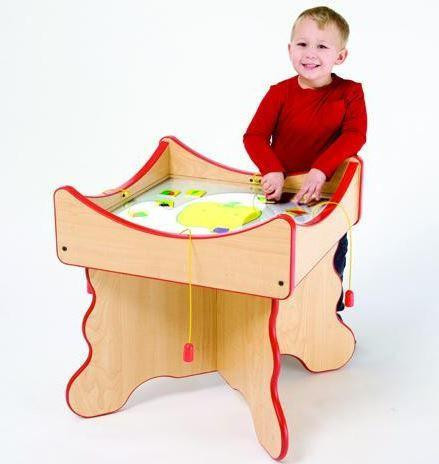
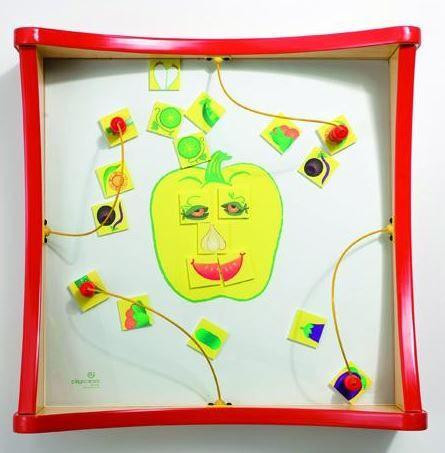
PS-15-VEG*$747.60$859.74Veggie Visage Match Activity Table - Interactive Nutrition Learning Play Table Making healthy eating fun has never been more engaging than with the Veggie Visage Match Activity Table. Designed to spark laughter, creativity, and early nutrition awareness,...
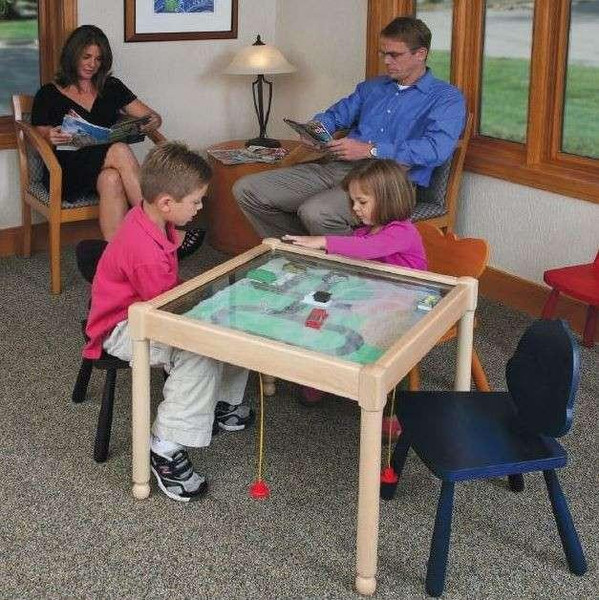
Our game tables are dedicated play surfaces designed for board games, interactive activities, and hands-on challenges that encourage skill development and social interaction. Commonly used in classrooms, libraries, playrooms, and children’s activity areas, these tables support turn-taking, problem-solving, and collaborative play. Built for durability and everyday use, game tables create inviting spaces where children can gather, play together, and develop cognitive and social skills through structured play.
Frequently Asked Questions About Children's Game Tables
(:1f476:) What ages are kids’ game tables best for in healthcare settings?
Most children’s game tables in clinics target roughly ages 4–12, with simple, intuitive games for young kids and more challenging options for older siblings. Digital game tables often support multiple difficulty levels so the same surface can work for early learners and tweens without needing separate setups.
(:1f9e0:) What skills do game tables help develop while kids wait?
Game tables build focus, visual‑motor skills, strategic thinking, and flexible problem‑solving as kids plan moves, react to others, and adjust strategies. They also strengthen social skills—sharing, negotiating rules, handling wins and losses—which is especially valuable in pediatric and family waiting spaces.
(:1f637:) Are children’s game tables safe, durable, and hygienic for medical environments?
Yes. Commercial game tables for public spaces use sealed surfaces, rounded edges, and robust hardware designed for constant use and easy disinfection. Digital tables add antimicrobial or easy‑wipe glass and enclosed electronics, so staff can sanitize them quickly without managing piles of loose pieces.
⚖️ How do I choose between analog game tables and digital game tables for my waiting room?
Analog game tables (magnetic roads, marble mazes, board‑style games) offer quiet, screen‑free play and are ideal for younger kids and practices that want a low‑tech feel. Digital game tables deliver high engagement, multiple games in one footprint, and easy content updates, making them great for older kids, longer waits, and tech‑forward brands. Many pediatric providers combine one digital table with one or two analog game/activity tables to balance screen time with tactile play.
