
Our indoor climbers are play structures designed to encourage climbing, balancing, and full-body movement in indoor environments. Commonly used in classrooms, early learning centers, and children’s play spaces, these climbers help children build strength, coordination, and confidence through active play. Built for durability and everyday use, indoor climbers provide engaging opportunities for gross motor development while supporting safe, energetic movement indoors.
Products List
-

 - 7%- 7%
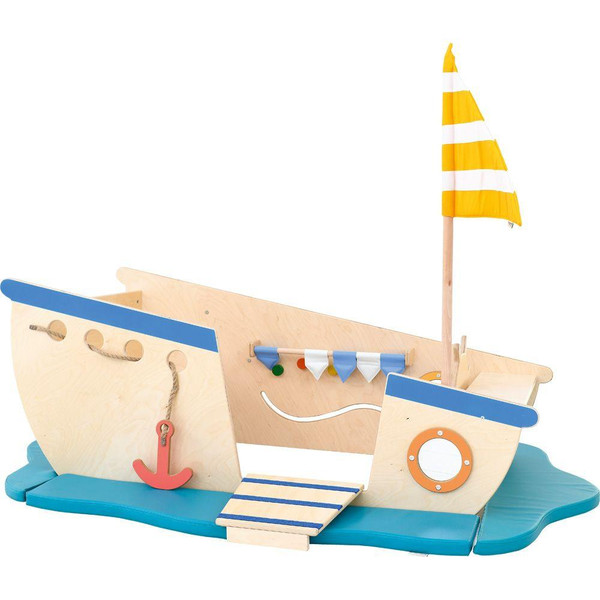
Pirate Ship Play Boat
PS-MB096868PU$1,640.82$1,759.72Pirate Ship Play Boat - Interactive Nautical Dramatic Play Set The Pirate Ship Play Boat lets little sailors set off on big adventures. Up to six children can climb aboard and play together. This nautical dramatic play set sparks teamwork and... -

 - 5%Made in USA- 5%Made in USA
Family Pets Adventure Infant Toddler Indoor Climber
SFK-SKPG528N$4,434.88$4,668.29The children will love our Durabilt Family Pets Fun Center for 6-23 months. Promotes gross and fine motor development, eye/hand coordination, object recognition, self awareness, dramatic play. Helps teach tracking skills, socialization skills, cause and... -

 - 5%Made in USA- 5%Made in USA
Infant/Toddler Cozy Indoor or Outdoor Climber, Bright or Natural
SFK-SKPG441x$6,668.99$7,019.99Infant/Toddler Cozy Indoor or Outdoor Toddler Climber, Bright or Natural. This wonderful structure is perfectly designed with safety in mind for younger ages and sized to fit into a limited space. It includes numerous age and developmentally appropriate... -

 - 13%- 13%
Sensory Truck Activity Center
PS-MB100927$1,228.20$1,412.43Sensory Truck Activity Play Station - Motor Skills for Hands-On Exploration Drive learning forward with the Sensory Truck Activity Play Station. This fun sensory activity station lets kids turn, slide, and explore. The truck design surrounds children... -
 - 5%Made in USA- 5%Made in USA
Step 'n Slide Infant/Toddler Outdoor Playground, Natural Colors
SFK-SKPG440N$5,557.49$5,849.99Strictly for Kids Step 'n Slide Infant/Toddler Outdoor Playground Structure, Natural Colors is a beautiful system that packs a lot of play value and safety into a limited space. This structure is age and developmentally appropriate and supports many... -

 - 7%- 7%
Kiddie Play Car
PS-MB098781$961.86$1,031.56Kiddie Play Car - Interactive Play Center for Imaginative Fun The Kiddie Play Car turns playtime into a shared adventure. This interactive play center supports imaginative play with built-in activities and group seating. Key Features Creative play... -

 - 13%Made in USA- 13%Made in USA
Ladybug Toddler Stair & Slide Climber
WB2114$349.00$399.52Ladybug Toddler Stair & Slide Climber - Confidence-Building Gross Motor Play Designed to support early walkers as they build strength and confidence, the Ladybug Toddler Stair & Slide Climber invites toddlers to climb, step, and slide with... -

 - 11%Made in USA- 11%Made in USA
Mini Play Loft
9758JC$1,284.86$1,436.02Introducing the Mini Play Loft, a carefully crafted space specially designed for young adventurers aged 12 to 23 months. Watch as toddlers confidently crawl up the wide steps, explore the platform area, and joyfully slide down the ramp. With convenient... -

 - 5%Made in USA- 5%Made in USA
Titan Submarine with Bubble on Top Indoor/Outdoor Playground, Natural or Bright Colors
SFK-SKPG5910X$3,890.24$4,094.99Premier Strictly for Kids Titan Submarine with Bubble on Top, Indoor/Outdoor Playground, Natural or Bright Colors. This crawl through tunnel allows for social interaction, exploration and endless imaginative play opportunities. Commercial-playground... -

 - 13%Made in USA- 13%Made in USA
Toddler Slide With Stairs and Tunnel
WB8115$599.00$689.68Introducing the Toddler Slide With Stairs and Tunnel, the perfect addition to any indoor play area. This wooden climbing gym features a slide, stairs, and a tunnel designed specifically for toddlers to enjoy endless hours of fun and... -

 - 5%Made in USA- 5%Made in USA
Cruise 'n Climb Infant/Toddler Fun Station
SFK-SKPG529x$4,101.43$4,317.29The children will absolutely enjoy this exciting new Cruise 'n Climb Infant/Toddler Fun Station designed for ages 6 to 23 months. Its compact structure is perfect for helping crawlers transition to walking. It encourages both gross and fine motor... -

 - 5%Made in USA- 5%Made in USA
Deep Sea Adventure Infant Toddler Wooden Climber
SFK-SKPG528B$4,434.88$4,668.29Deep Sea Adventure Infant/Toddler Fun Station, for Indoors or Outdoors, Bright Colors. Your staff and children will love this great new playsystem. The awesome, one of a kind structure packs a whole lot of play value into a very compact, budget friendly... -

 - 5%Made in USA- 5%Made in USA
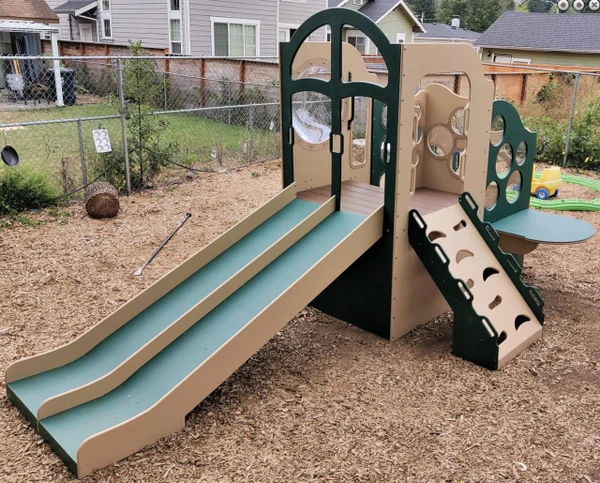
Deluxe Challenger 10 Wave Style Playground Structure Natural
SFK-SKPG548N$25,547.96$26,892.59This exceptional playground structure caters to child care programs and playgrounds with diverse age groups, making it an ideal choice for Early Head Start programs. The Deluxe Challenger 10 Wave Style Playground Structure, Natural prioritizes... -
 - 5%Made in USA- 5%Made in USA
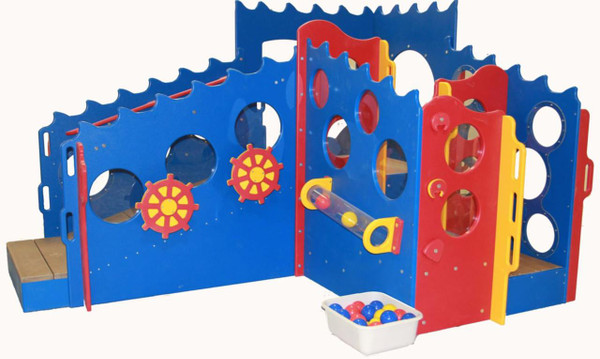
Deluxe Challenger 25 Wave Style Playground Structure, Natural or Bright
SFK-SKPG545x$25,991.99$27,359.99This wonderful Deluxe Challenger 25 Wave Style Playground Structure meets the needs of preschools, child care and early years programs searching for a safer, developmentally appropriate playground, which is free standing, fits a narrow play yard and... -

 - 5%Made in USA- 5%Made in USA
Deluxe Ocean Adventure Playground Structure
SFK-SKPG531$29,999.09$31,577.99This awesome Deluxe Ocean Adventure Playground includes several of the most state of the art, age and developmentally appropriate features on the market today. The handrails (and features) allow a crawler to grasp a rail or feature, pull... -

 - 5%Made in USA- 5%Made in USA
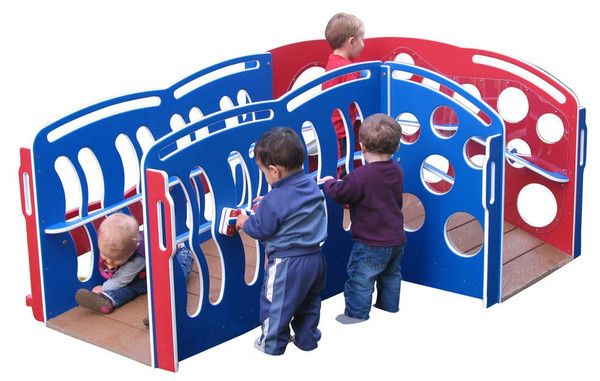
Deluxe Under the Sea Playground
SFK-SKPG535$14,989.99$15,739.49This beautifully Deluxe Under the Sea Playground provides a tremendous amount of play value and safety elements while fitting in a limited amount of space. The large poly-carbonate windows throughout provide great visibility... -
 - 5%Made in USA- 5%Made in USA
First Steps Infant Developmental Fun Station Toddler Climber
SFK-SKPG512x$8,999.99$9,449.99The ''First Steps'' Infant Developmental Fun Station, SKPG512x, from the renowned brand Strictly For Kids, is a must-have indoor toddler wooden climber that offers endless hours of entertainment and learning for your little one. This top-quality infant... -
 - 5%Made in USA- 5%Made in USA
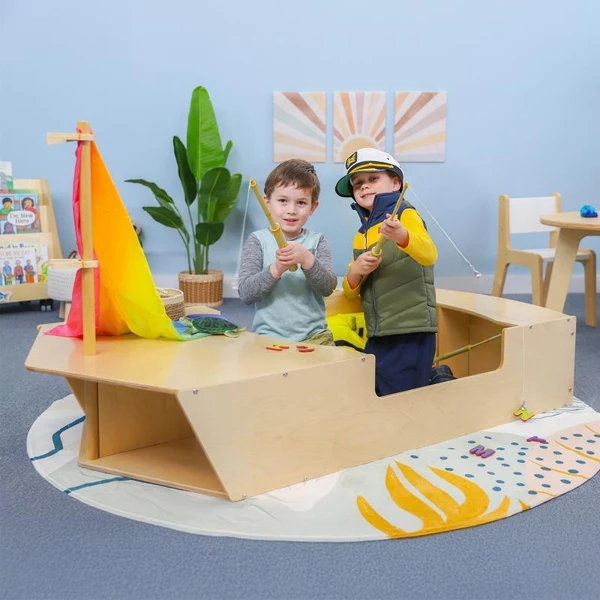
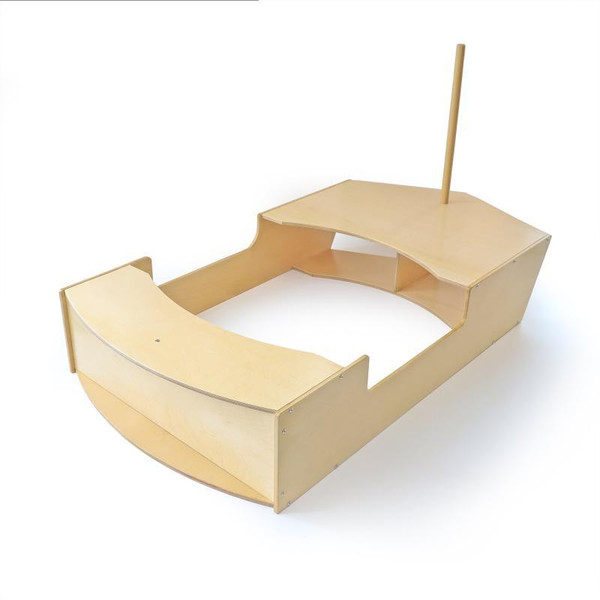
Imagination Boat Activity Center
WB1170$882.99$933.00outdoorED™ Table and Two Bench Set - Durable Outdoor Seating for Children The outdoorED™ Table and Two Bench Set delivers a perfectly matched outdoor seating solution designed for comfort, durability, and long-term performance. Built for... -

 - 5%Made in USA- 5%Made in USA
Infant Toddler Deluxe Transitional Dream Playground, Bright Colors
SFK-SKPG443TB$13,000.74$13,684.99The Infant/Toddler Deluxe Transitional Dream Playground Structure, in Bright Colors is the ideal solution for an infant/toddler play yard in a child care facility. This dynamic and and developmentally appropriate structure is packed with play value! It... -

 - 5%Made in USA- 5%Made in USA
Infant Toddler Deluxe Transitional Dream Playground, Natural
SFK-SKPG443TN$13,000.74$13,684.99The Infant/Toddler Deluxe Transitional Dream Playground Structure, in Natural Colors is the ideal solution for an infant/toddler play yard in a child care facility. This dynamic and and developmentally appropriate structure is packed with play value! It...
(:1f476:) What age is safe to start using indoor climbers?
Most toddler climbers and Pikler-style triangles are appropriate from about 6–12 months (with supervision) through 5–6 years, depending on weight limits and height. Younger babies start by pulling up and cruising on lower rungs; older toddlers climb higher and use add‑on ramps and slides for more challenge.
(:1f9e0:) What are the real developmental benefits of indoor climbing toys?
Indoor climbers build gross motor skills, core strength, balance, and coordination while also boosting confidence and independence. Climbing forces kids to plan routes, solve small problems, and coordinate hands and feet, which supports overall brain development and even better sleep after active play.
(:1f9ba:) Are indoor climbers safe, and what safety features should I look for?
Safety depends on matching the climber to your child’s age, using proper mats, and supervising play. Look for sturdy wood or metal, non-slip rungs, secure hardware, appropriate height for the age group, and clear weight limits, plus a fall zone with soft flooring or crash mats around the structure.
(:1f3e0:) Will an indoor climber stop my child from climbing furniture?
Giving kids a dedicated, safe climbing outlet reduces risky climbing on bookshelves, counters, and couches—especially when parents set clear rules about “we climb here, not there.” A well-placed climber plus consistent boundaries channels their natural urge to climb into safe, supervised play.
