Products List
-
 - 8%Quick Ship- 8%Quick Ship
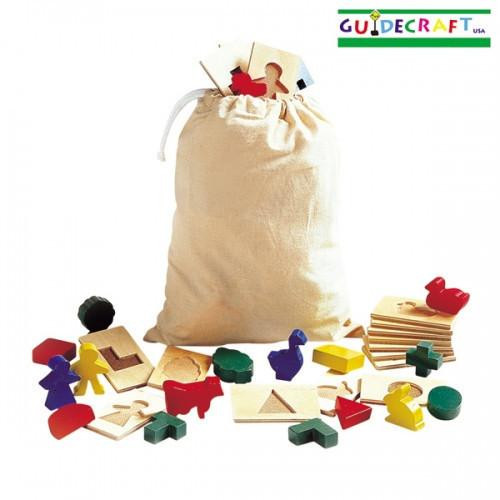
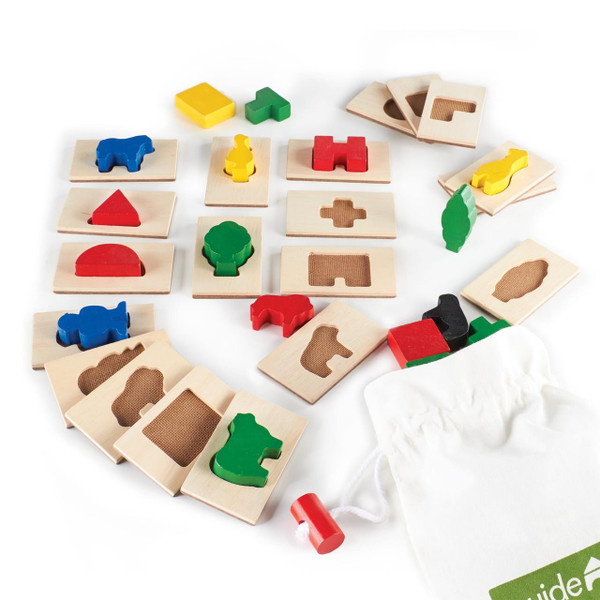
3D Feel & Find Wooden Puzzle Set
GC-G5060$39.66$43.00Shape & Texture Matching Bag Game - Tactile Learning Through Touch The Shape & Texture Matching Bag Game invites children to explore shapes using both sight and touch. Designed as a wooden shape matching game, tactile learning activity, and... -
 - 16%Quick Ship- 16%Quick Ship
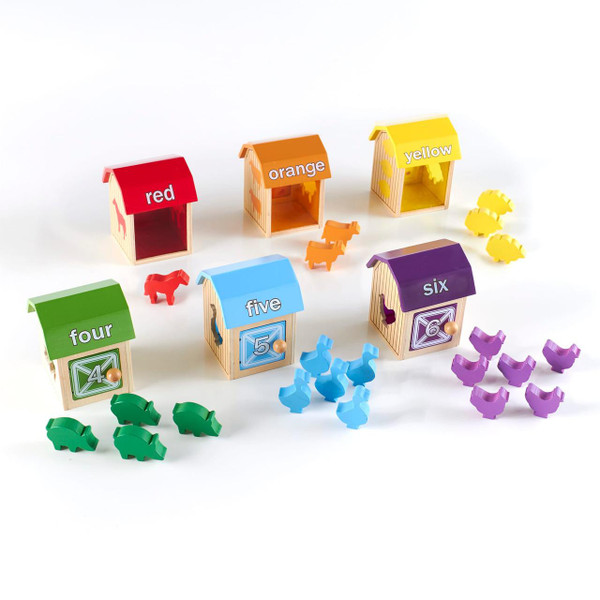
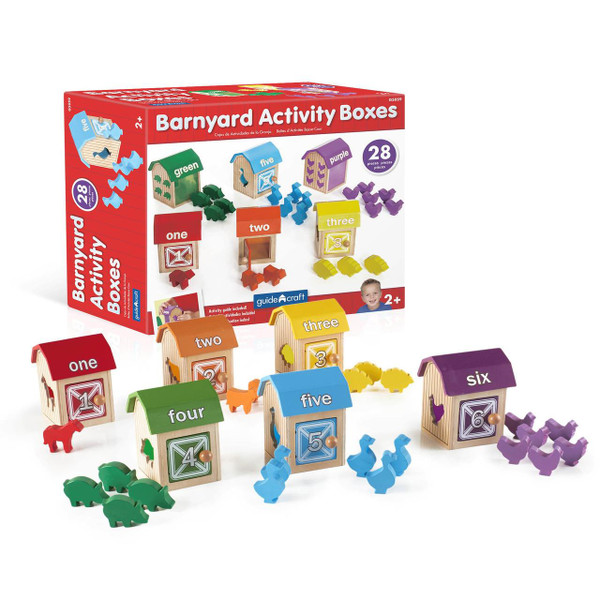
Barnyard Counting Boxes
GC-G5059$58.95$69.95Barnyard Counting & Matching Set - Wooden Farm Counting Toy The Barnyard Counting & Matching Set blends playful storytelling with early math exploration. This engaging wooden counting toy, farm animal matching game, and color and shape sorting... -

 - 30%Quick Ship- 30%Quick Ship
Circle Sorter Manipulative Puzzle
GC-G526$34.95$49.95Experience the joy of learning with our graduated size circles, ranging from 2" to 5" in diameter, all set on a vibrant, color-coded base. Each circle features easy-to-hold 2" high knobs, perfect for little hands. Crafted from sustainable Rubberwood and... -

 - 16%Quick Ship- 16%Quick Ship
Clear Treasure Tubes Sensory Set
GC-G3086$64.95$76.95Clear Treasure Tubes - Stackable Sensory Exploration Containers The Clear Treasure Tubes spark curiosity and discovery through open-ended sensory play. Designed as sensory exploration tubes, light table manipulatives, and loose parts containers, these... -

 - 16%Quick Ship- 16%Quick Ship
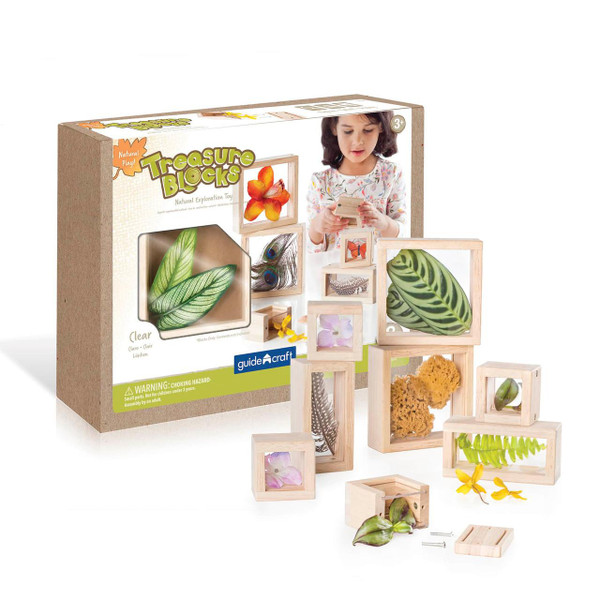
Clear Treasure Wooden Play Blocks
GC-G3084$58.95$69.95Clear Treasure Wooden Play Blocks - Sensory & Light Table Exploration The Clear Treasure Wooden Play Blocks invite children to collect, display, and investigate meaningful objects through hands-on discovery. Designed as sensory exploration blocks,... -
 - 13%Made in USA- 13%Made in USA
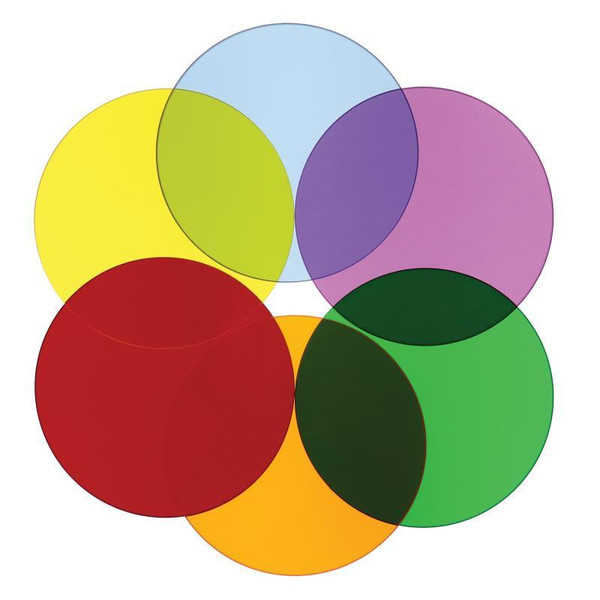
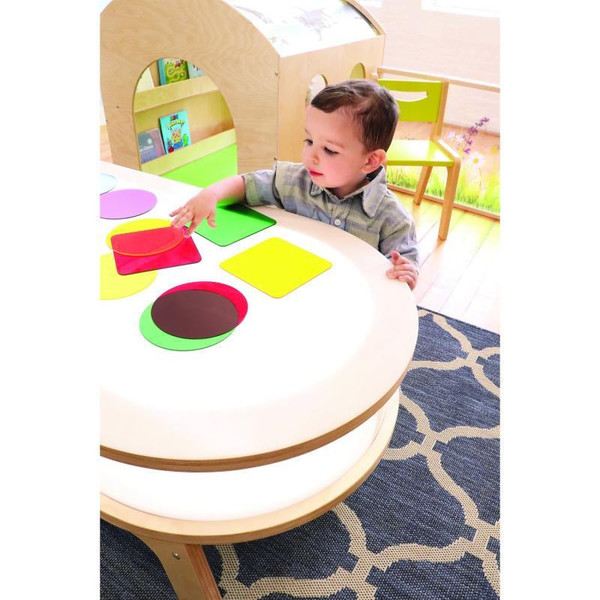
Color Wheel Circles for Light Tables - Set of 6
WB7724C$69.00$78.98Color Wheel Circles for Light Tables - Color Learning Discs for Sensory Play Make learning fun with the 6 Color Wheel Circles for Light Tables. These acrylic color discs for light tables help children explore colors and shapes through hands-on play... -

 - 13%Made in USA- 13%Made in USA
Color Wheel Squares for Light Tables - Set of 6
WB7724S$69.00$78.98Color Wheel Squares for Light Tables - Shape Learning Tiles for Sensory Play Make learning bright and fun with the 6 Color Wheel Squares for Light Tables. These acrylic square light table tiles help children explore colors and shapes through hands-on... -

 - 13%Made in USA- 13%Made in USA
Color Wheel Triangles for Light Tables - Set of 6
WB7724T$69.00$78.98Color Wheel Triangles for Light Tables - Shape Exploration Tiles for Sensory Play Make learning fun and bright with the Color Wheel Triangles for Light Tables - Set of 6. These acrylic triangle light table tiles help children explore colors and shapes... -

 - 5%Made in USA- 5%Made in USA
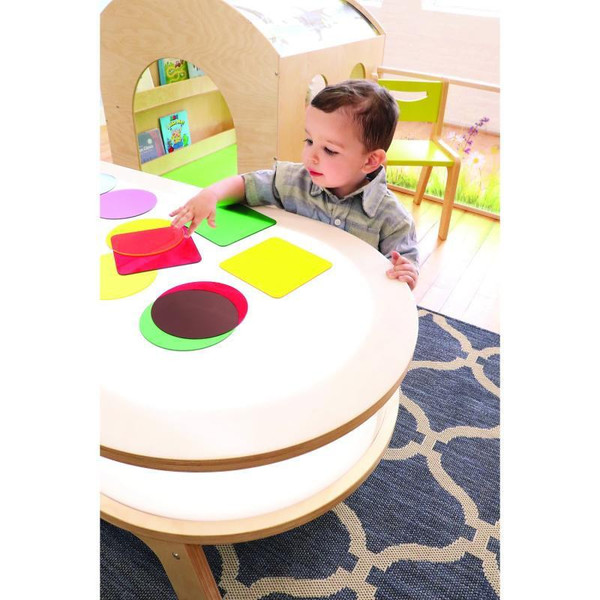
Color Wheel Variety Pack - Three Shapes
WB7780$154.55$163.14Children learn about shapes and colors! Special package price for all three sets of acrylic circle, square and triangle disks in red, purple, blue, green, yellow, and orange for use on our LED light tables WB0742, WB0724, WB0717 [each sold separately] or... -

 - 11%Quick Ship- 11%Quick Ship
Construction Truck Sort and Match Game
GC-G5091$44.56$49.95Construction Truck Sort & Match Game - Magnetic Pattern Learning Activity The Construction Truck Sort & Match Game transforms early learning into hands-on, game-based discovery. Designed as a magnetic matching game, pattern recognition activity,... -

 - 17%Quick Ship- 17%Quick Ship
Crystal Bead Wooden Rainbow Blocks
GC-G3012$49.95$59.95Crystal Bead Wooden Rainbow Blocks - Sensory Light & Color Unit Blocks The Crystal Bead Wooden Rainbow Blocks enhance classic block play with movement, sparkle, and color. Designed as sensory wooden unit blocks, light table manipulatives, and visual... -

 - 4%- 4%
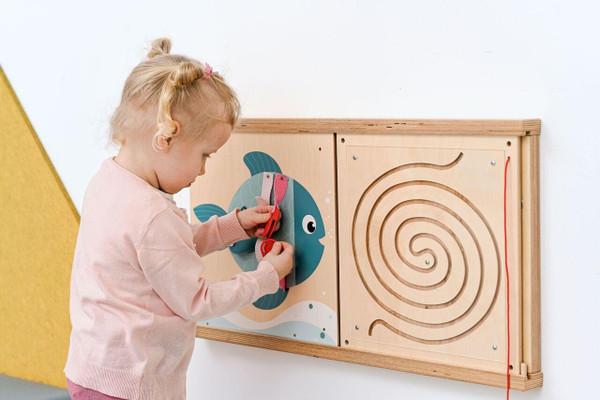
Fish Sensory Wall Panel
PS-MB118208N$45.54$47.43Fish Fine Sensory Wall Panel - Coordination Play for Daily Skills The Fish Fine Motor Skills Sensory Wall Panel turns learning into hands-on fun. This sensory wall panel supports fine motor skills as children practice buckling and fastening. Key... -

 - 12%Quick Ship- 12%Quick Ship
Flower Pot Sort and Match Manipulative
GC-G5090$51.95$58.95Flower Pot Sort & Match Manipulative - Magnetic Color and Shape Game The Flower Pot Sort & Match Manipulative turns early learning into an engaging, hands-on game. This magnetic matching activity, color and shape sorting game, and pattern... -

 - 30%Quick Ship- 30%Quick Ship
Geo Sorter Manipulative Puzzle
GC-G527$34.95$49.95Geo Sorter Manipulative Puzzle with Easy-Grasp Knobs The Geo Sorter Manipulative Puzzle is a classic wooden shape puzzle designed for early hands-on learning. With a color-coded wooden shape sorter, easy-grasp puzzle knobs, and eco-friendly rubberwood... -

 - 7%Quick Ship- 7%Quick Ship
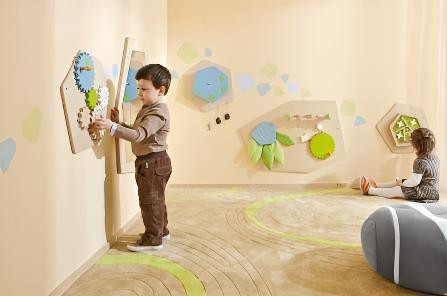
Grow.upp Ball Labyrinth Activity Wall Panel
PS-H1121105001$509.22$549.81HABA Grow.upp Ball Labyrinth Activity Wall Panel - Visual Tracking Activity Wall Toy for Motor Play Encourage patience and careful movement with the HABA Grow.upp Ball Labyrinth Activity Wall Panel. This engaging activity wall panel... -

 - 7%Quick Ship- 7%Quick Ship
Grow.upp Gears Wheels Activity Wall Panel
PS-H1121103001$509.22$549.81HABA Grow.upp Gears Wheels Activity Wall Panel - Nature Gear Sensory Wall Panel for Motor Skills Encourage hands-on discovery with the HABA Grow.upp Gears Wheels Activity Wall Panel. This engaging sensory wall panel features five connected gears that... -

 - 7%Quick Ship- 7%Quick Ship
Grow.upp Motor Skills Sensory Wall Panel
PS-H1121203001$1,088.82$1,175.61HABA Grow.upp Motor Skills Sensory Wall Panel - Nature Sensory Wall Toy for Fine Motor Play Bring calming nature play indoors with the HABA Grow.upp Motor Skills Sensory Wall Panel. This beautiful sensory wall panel features leaf-shaped elements filled... -
 - 7%Quick Ship- 7%Quick Ship
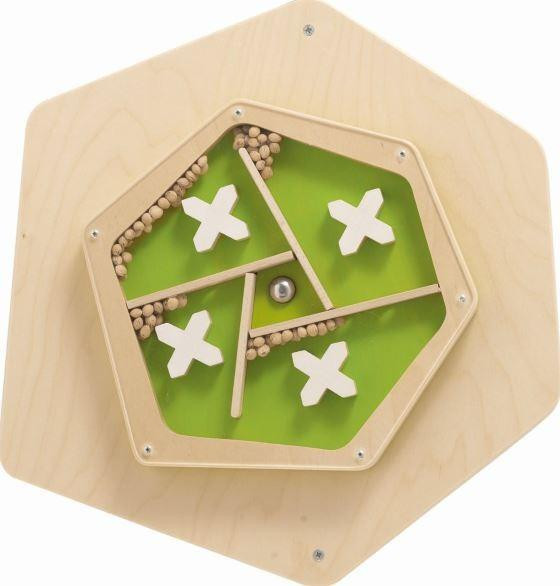
Grow.upp Stones Sensory Activity Wall Panel
PS-H1121106001$492.66$531.93HABA Grow.upp Stones Sensory Activity Wall Panel - Nature Sensory Wall Toy for Motor Skills Encourage calm discovery with the HABA Grow.upp Stones Sensory Activity Wall Panel. This engaging sensory wall panel features natural cherry stones that move... -

 - 7%Quick Ship- 7%Quick Ship
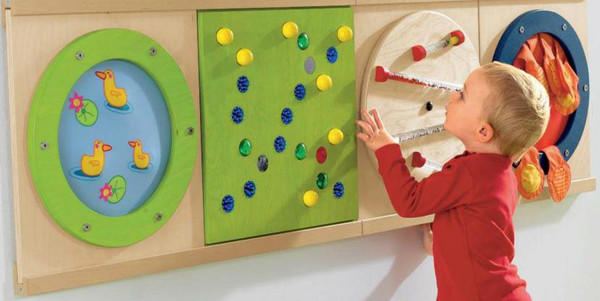
HABA® Sensory Wall Panel - Acrylic Gears
PS-H1120394001$509.22$549.81HABA Acrylic Gears Sensory Wall Panel - STEM Play for Cause-and-Effect Learning HABA Acrylic Gears Sensory Wall Panel brings hands-on fun to any play space. Children turn the clear gears and watch them move together. This sensory wall panel supports STEM... -
 - 7%Quick Ship- 7%Quick Ship
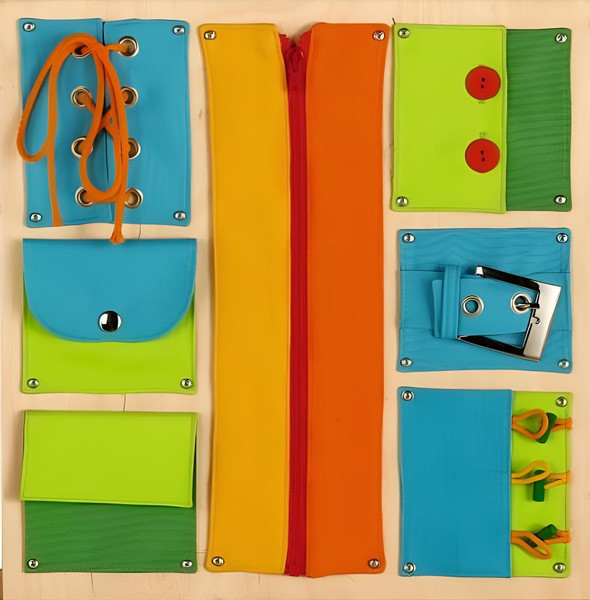
HABA® Sensory Wall Panel - Closures Panel
PS-H1120370001$205.62$222.01HABA Sensory Wall Closures Panel - Fine Motor Skills for Practical Life Learning HABA Sensory Wall Closures Panel helps children learn real-life skills through play. Kids practice buttons, snaps, and laces on this sensory wall panel. This fine motor...
Our manipulative toys are hands-on learning tools designed to help children explore concepts through touching, moving, sorting, and problem-solving. Commonly used in classrooms, early learning centers, and children’s activity spaces, these toys support fine motor development, cognitive growth, and focused engagement. Built for durability and repeated use, manipulative toys encourage active learning through exploration, experimentation, and purposeful play.
Frequently Asked Questions About Manipulatives
✋ What skills do manipulative toys help develop?
They build fine motor skills, hand‑eye coordination, and finger strength needed for writing, buttoning, and using utensils. They also support cognitive skills like problem‑solving, spatial awareness, early math, and pattern recognition.
(:1f9e0:) How are manipulative toys used in classrooms and childcare centers?
Teachers use them in math and literacy centers for counting, sorting, patterning, and matching activities. They are also placed in quiet-choice areas to support focused, independent play during center time or transitions.
(:1f3e5:) How can manipulative toys support pediatric therapy goals?
In occupational and speech therapy, manipulatives are used to work on grasp patterns, bilateral coordination, in‑hand manipulation, and visual‑motor skills. Therapists often turn tasks like stringing beads or assembling puzzles into playful exercises that match each child’s treatment plan.
(:1f476:) What ages are manipulative toys best for?
There are options from toddler through early elementary: large, chunky pieces and easy-grasp items for toddlers and preschoolers; more detailed puzzles, construction sets, and math manipulatives for older children. The key is to match piece size and challenge level to the child’s age and ability.
(:1f522:) How do manipulative toys support early math and pre-academic skills?
Children naturally practice counting, sorting, comparing, and creating patterns when they play with loose parts and small objects. Activities like building towers, matching shapes, or filling ten-frames lay groundwork for number sense, measurement, and geometry concepts.
(:1f60c:) Can manipulative toys be calming for some children?
Yes, many children find repetitive actions like snapping cubes together, sliding beads, or arranging tiles soothing. Quiet manipulative bins can work well in calm-down corners, therapy waiting rooms, or cozy classroom nooks.