
Products List
-

 - 14%Made in USA- 14%Made in USA
Beechwood Wall Storage Box
LZ-STORAGE-BOX$155.00$180.00Beechwood Wall Storage Box - Wall Storage Organizer for Classroom Systems Keep learning spaces neat with the Beechwood Wall Storage Box. This wooden wall storage organizer makes it easy to store and grab parts during play. It helps children stay... -

 - 13%- 13%
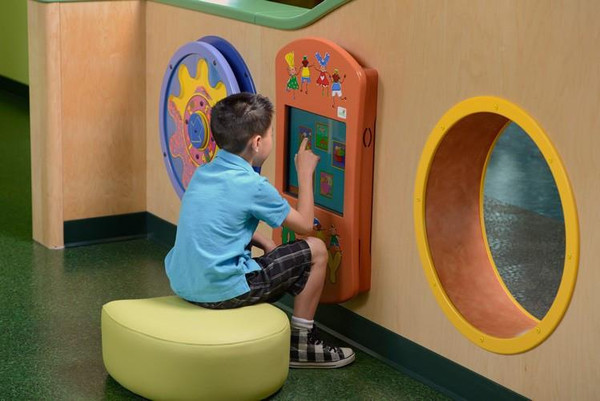
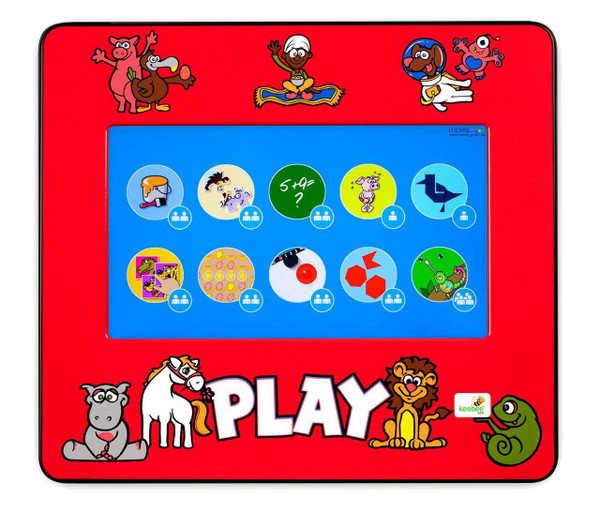
Keydo Interactive Touch Screen Activity Wall Panel
PS-AMH-SST415$8,478.40$9,750.16Keydo Interactive Touch Screen Wall Panel - Interactive Wall Panel For Digital Learning Keydo Interactive Touch Screen Activity Wall Panel brings modern play to shared spaces. This Interactive Wall Panel lets kids explore games, puzzles, and activities... -
 - 13%- 13%
Keydo Interactive Touch Screen Wall Toy
PS-AMH-SST415*$8,478.40$9,750.16Keydo Interactive Touch Screen Wall Toy - Interactive Wall Panel For Digital Learning Keydo Interactive Touch Screen Wall Toy brings digital play to life in shared spaces. This Interactive Wall Panel lets kids touch, learn, and explore through games and... -

 - 14%Made in USA- 14%Made in USA
KidWorx™ 4 in a Row Activity Wall Game
LZ-KW-4INAROW$1,100.00$1,276.00KidWorx 4 in a Row Activity Wall Game - Strategy Game Wall Panel for Logical Play Build smart thinking with the KidWorx 4 in a Row Activity Wall Game. This fun strategy game wall panel lets kids drop pieces and try to connect four in a row. Each move... -

 - 13%Made in USA- 13%Made in USA
Kidworx™ Classic Games Wall Activity Package
LZ-KW-Classic$2,450.00$2,817.50KidWorx Classic Games Wall Activity Package - Strategy Wall Panel for Social Play Play and learn with the KidWorx Classic Games Wall Activity Package. This fun strategy game wall panel brings Tic-Tac-Toe and 4-in-a-Row to the wall. Kids can plan moves,... -

 - 14%Made in USA- 14%Made in USA
Kidworx™ Grid Glider Tile Challenge Wall Game
LZ-KW-GRIDGLIDECH$650.00$754.00KidWorx Grid Glider Tile Challenge Wall Game - Logic Puzzle Wall Panel for Strategic Play Challenge young minds with the KidWorx Grid Glider Tile Challenge Wall Game. This fun sliding puzzle wall panel lets kids move tiles to match patterns. A spinner... -
 - 14%Made in USA- 14%Made in USA
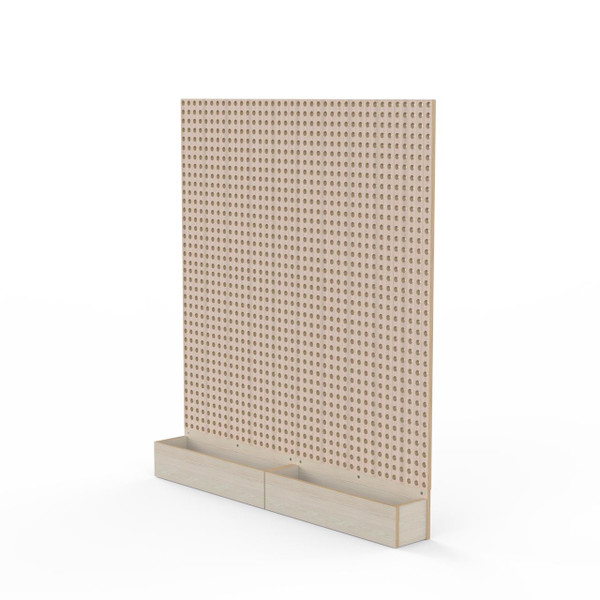
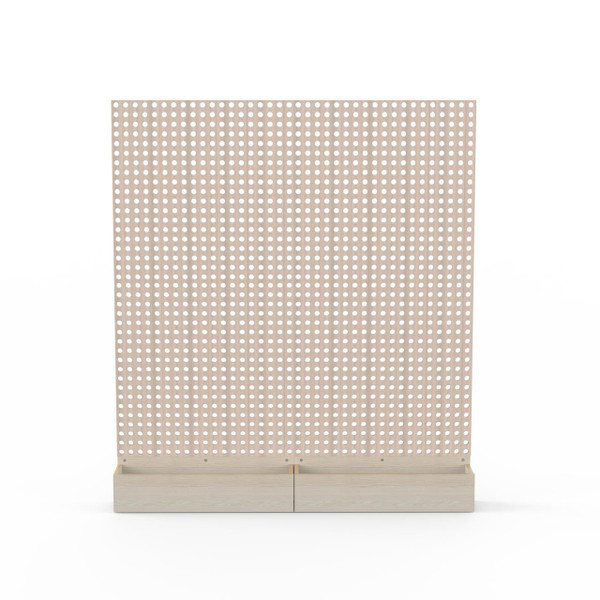
Kidworx™ Large Pegboard Activity Wall Pack
LZ-KW-WALLPACK-4GRID/2BIN$1,200.00$1,392.00KidWorx Large Activity Wall Pack - Pegboard Activity Wall Panel for Play & Storage Create a fun and organized space with the KidWorx Large Activity Wall Pack. This smart pegboard activity wall panel gives kids room to play, build, and explore. The... -

 - 14%Made in USA- 14%Made in USA
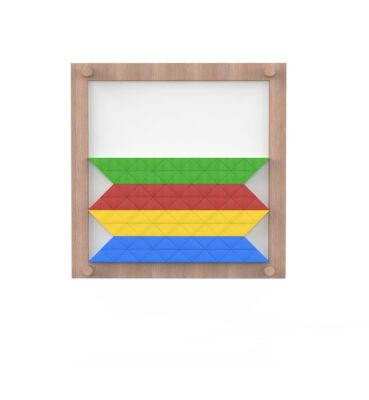
KidWorx™ Magnet Maze Marble Run Builder
LZ-KW-MAGMAZE$2,000.00$2,320.00KidWorx Magnet Maze Marble Run Builder - Magnetic STEM Wall Panel for Problem Solving Build, move, and solve with the KidWorx Magnet Maze Marble Run Builder. This fun magnetic maze wall panel lets kids create paths and guide marbles with a wand. Kids can... -

 - 14%Made in USA- 14%Made in USA
KidWorx™ Magnetic Mosaics Activity Wall Toy
LZ-KW-MAGMOSAIC$650.00$754.00KidWorx Magnetic Mosaics Activity Wall Toy - Creative Pattern Wall Panel for Visual Learning Inspire design and play with the KidWorx Magnetic Mosaics Activity Wall Toy. This fun magnetic mosaic wall panel lets kids build patterns with colorful shapes... -

 - 14%Made in USA- 14%Made in USA
Kidworx™ Memory Match Pro Wall Game
LZ-KW-MEMPRO$400.00$464.00KidWorx Memory Match Pro Wall Game - Advanced Memory Wall Panel for Focus Play Challenge growing minds with the KidWorx Memory Match Pro Wall Game. This engaging memory match wall panel offers more tiles and new images for deeper play. Kids flip,... -
 - 14%Made in USA- 14%Made in USA
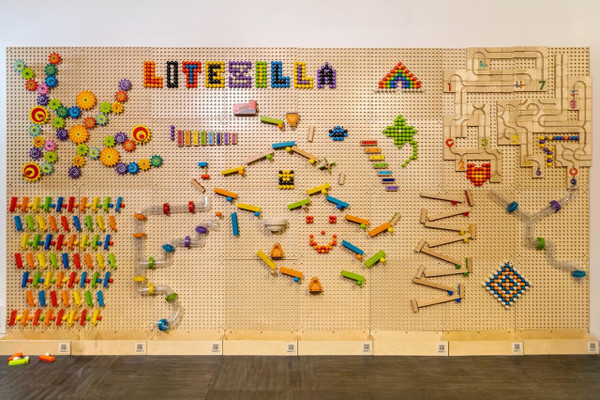
Kidworx™ Pegboard Wall Panel
LZ-KW-GRID-WALL$190.00$220.00KidWorx Pegboard Wall Panel - Activity Wall Panel for Creative Play Create simple, hands-on play with the KidWorx Pegboard Wall Panel. This flexible pegboard activity wall panel gives kids a place to build and explore. Use one panel or combine many to... -

 - 14%Made in USA- 14%Made in USA
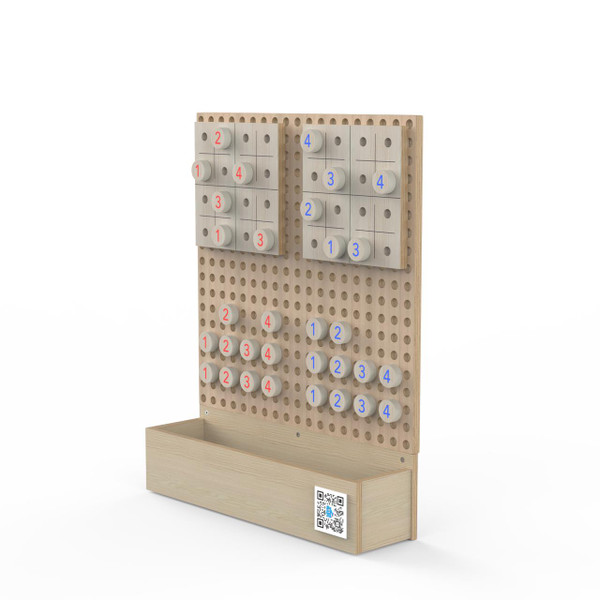
Kidworx™ Small Pegboard Activity Wall Pack
LZ-KW-WALLPACK-1GRID/1BIN$300.00$348.00KidWorx Small Activity Wall Pack - Compact Pegboard Wall Panel for Play & Storage Create smart play in small spaces with the KidWorx Small Activity Wall Pack. This compact pegboard wall panel gives kids a place to build and explore. The added bin... -
 - 14%Made in USA- 14%Made in USA
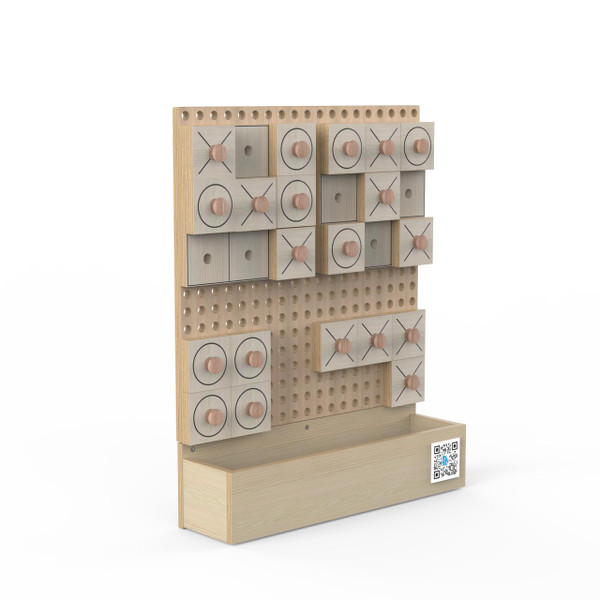
Kidworx™ Sudoku Shuffle Wall Game
LZ-KW-SUDOKU$650.00$754.00KidWorx Sudoku Shuffle Wall Game - Logic Puzzle Wall Panel for Number Play Build smart thinking with the KidWorx Sudoku Shuffle Wall Game. This fun logic puzzle wall panel lets kids move number tiles to solve grid challenges. Each move helps kids learn... -
 - 14%Made in USA- 14%Made in USA
Kidworx™ Tic Tac Whoa! Wall Game
LZ-KW-TICTACWHOA$400.00$464.00KidWorx Tic Tac Whoa! Wall Game - Strategy Game Wall Panel for Social Play Play and learn with the KidWorx Tic Tac Whoa! Wall Game. This fun tic tac toe wall panel brings a classic game to life with bold design. Kids take turns, plan moves, and try to... -

 - 13%Made in USA- 13%Made in USA
Numbers Match Magnetic Educational Wall Activity
PS-CFY1061812xxx$411.60$473.34Numbers Match Magnetic Wall Panel - Counting Activity for Early Math Skills Make math fun with the Numbers Match Magnetic Educational Wall Activity. This engaging number matching wall panel lets children guide colorful numbers across the board using... -
 - 13%- 13%
Travel Town Activity Wall Panel
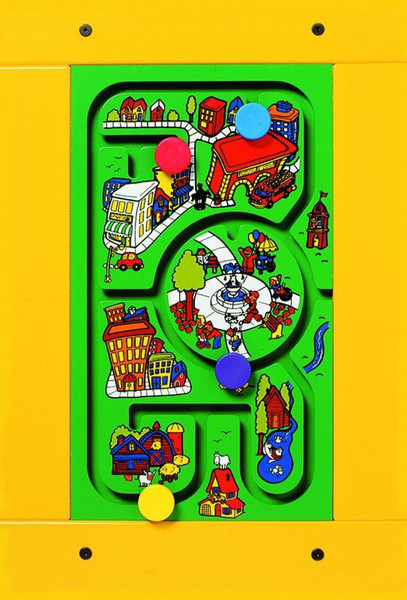
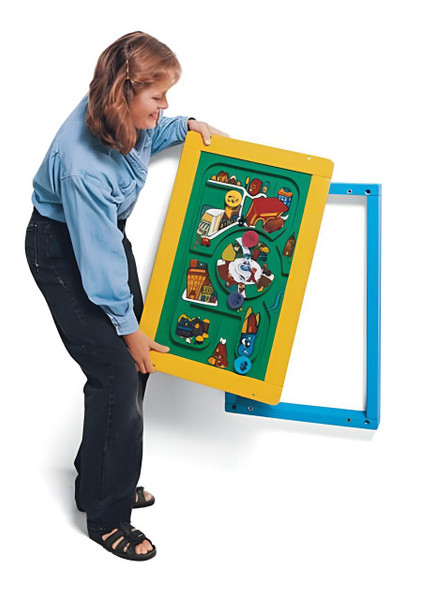
PS-AMH-TRAV*$709.80$816.27Travel Town Activity Wall Panel - Vehicle Path Toy for Motor Skills Bring city adventures to the wall with the Travel Town Activity Wall Panel Toy. This colorful transportation activity wall panel lets children move cars, buses, and trains along winding...
Our wall games for kids are wall-mounted interactive games that provide engaging, hands-on play while keeping floors clear and organized. Commonly used in pediatric waiting rooms, medical offices, classrooms, libraries, and children’s play spaces, these games promote independent play, problem-solving, and calm engagement. Designed for durability, safety, and easy cleaning, wall games help reduce clutter, manage wait-time behavior, and maximize space in high-traffic environments.
Frequently Asked Questions About Wall Games
(:1f642:)What are wall games for kids, and how are they different from regular toys?
Wall games are interactive play panels mounted directly to the wall, often with gears, mazes, sliders, magnets, or sensory elements built in. Unlike loose toys, they have no removable pieces, save floor space, and keep the play area organized and safer in shared environments.
(:1f476:)What ages are wall games suitable for?
Most wall games target toddlers through early school‑age, roughly 18 months to about 8 years, depending on the complexity of the panel. Simple bead and gear panels work for younger children, while magnetic mazes, number or alphabet games, and cause‑and‑effect puzzles engage preschoolers and older kids.
(:1f3ae:)What are the benefits of wall games compared with tablets or loose toys?
Wall games give kids hands‑on play that builds fine‑motor skills, problem‑solving, and focus without introducing screens or noise from electronic devices. Because they’re fixed to the wall and self‑contained, they reduce clutter, lost pieces, and tripping hazards while still keeping kids engaged and calmer during wait times.
(:1f4cd:)Where should wall games be installed, and how many do we need?
Wall games work best at child height in a clearly defined kids’ zone where adults can easily supervise but traffic flow isn’t blocked (not right by doors, hallways, or check‑in). Small offices may use one to three panels grouped together, while larger lobbies often create a short “play wall” with several themed games to accommodate multiple children at once.
