
Products List
-

 - 10%Made in USA- 10%Made in USA
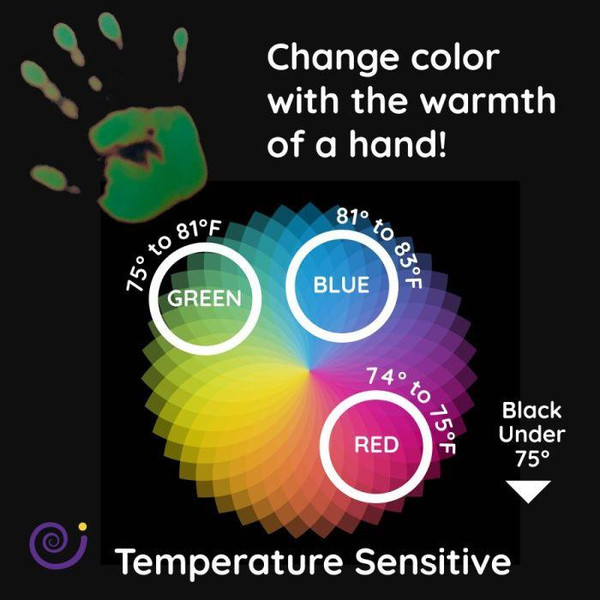
Safari Magic Hands Heat Sensitive Wall Panel
PS-20-MGC-006$365.70$405.45Safari Magic Hands Heat Sensitive Wall Panel - A Touch of the Wild! Bring the excitement of the savanna into your space with the Safari heat-sensitive play panel! Kids will be mesmerized as glowing... -

 - 10%Made in USA- 10%Made in USA
Safety Road Education Activity Wall Toy
PS-20-SFR-001$242.88$269.28Safety Road Education Activity Wall Toy - Learn Safety Through Play! Teach children the importance of road safety in a fun and interactive way with the Safety Road Education Activity Wall Toy. This... -
 - 10%Made in USA- 10%Made in USA
Seascape Explorer Activity Wall Toy
PS-20-SEA-100$488.52$541.62Seascape Explorer Activity Wall Toy - Dive into Interactive Ocean Adventures! Bring the wonders of the sea to your learning space with the Seascape Explorer Activity Wall Toy. Designed to engage... -

 - 10%Made in USA- 10%Made in USA
Seascape Flip Wire & Bead Maze Wall Toy
PS-20-FLP-OSS$369.84$410.04Seascape Flip Wire & Bead Maze Wall Panel - Ocean Maze for Motor Skills Bring ocean adventure to the wall with the Seascape Flip Wire & Bead Maze Wall Toy. This colorful ocean bead maze wall panel... -

 - 10%Made in USA- 10%Made in USA
Seascape Magic Hands Heat Sensitive Wall Panel
PS-20-MGC-005$365.70$405.45Seascape Magic Hands Heat Sensitive Wall Panel - Dive into Interactive Play! Transport children into an underwater world of wonder with our Seascape heat-sensitive wall panel. As little hands touch... -

 - 6%10yr Warranty- 6%10yr Warranty
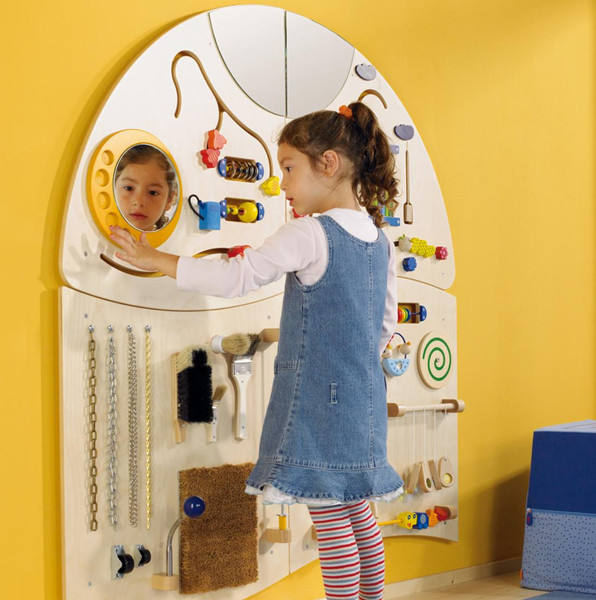
Sensory Learning Wall - 3 Piece Set
PS-20LWS100$2,010.66$2,141.13Sensory Learning Wall 3-Piece Set - Toddler Sensory Wall Panels for Interactive Play Turn quiet walls into active learning spaces with the Sensory Learning Wall 3-Piece Set. This engaging toddler... -

 - 6%10yr Warranty- 6%10yr Warranty
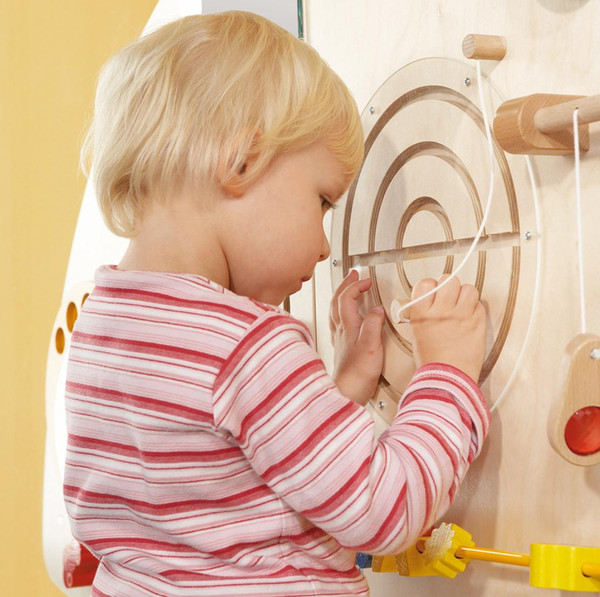
Sensory Learning Wall 4-Piece Set
PS-20LWS100+H1120217$2,765.52$2,933.81HABA Sensory Learning Wall Panels - Modular Activity Wall for Sensory Play Turn blank walls into hands-on learning zones with the HABA Sensory Learning Wall 4-Piece Set. This modular sensory wall... -

 - 5%Quick Ship- 5%Quick Ship
Sensory Learning Wall Activity Panel - Curve A
PS-H1120216001$927.36$978.93HABA Pro Sensory Learning Wall Curve A - Curved Sensory Wall Panel for Toddler Activity Walls Encourage hands-on discovery with the HABA Pro Sensory Learning Wall Curve A. This engaging sensory wall... -
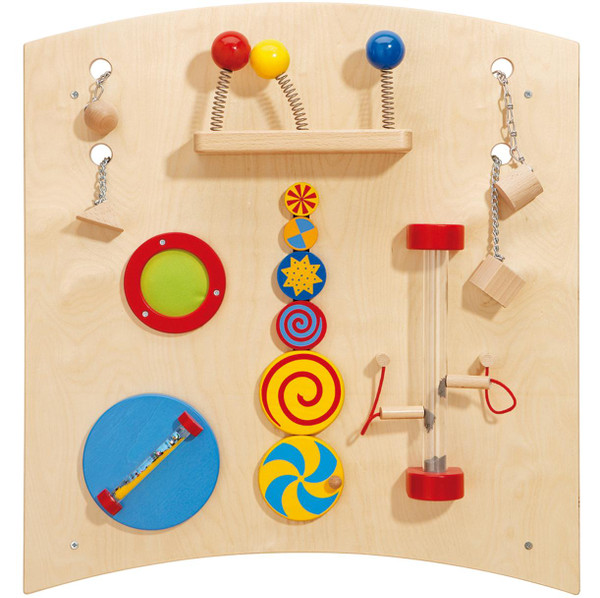
 - 7%Quick Ship- 7%Quick Ship
Sensory Learning Wall Activity Panel - Curve B
PS-H1120219001$717.60$768.84HABA Sensory Learning Wall Curve B – Sensory Exploration Activity Wall The HABA Sensory Learning Wall Curve B is a fun and engaging wall panel for young children. This sensory wall panel uses a... -

 - 5%Quick Ship- 5%Quick Ship
Sensory Learning Wall Activity Panel - Dip A
PS-H1120217001$754.86$792.68HABA Sensory Learning Wall Dip A - Tactile Sensory Wall Panel for Toddler Activity Walls Encourage hands-on discovery with the HABA Sensory Learning Wall Dip A. This engaging sensory wall panel lets... -

 - 2%Quick Ship- 2%Quick Ship
Sensory Learning Wall Activity Panel - Dip B
PS-H1120221001$750.72$767.35HABA Sensory Learning Wall Dip B - Practical Life Skills Sensory Wall Panel for Fine Motor Development Help children practice everyday skills with the HABA Sensory Learning Wall Dip B. This engaging... -
 - 5%Quick Ship- 5%Quick Ship
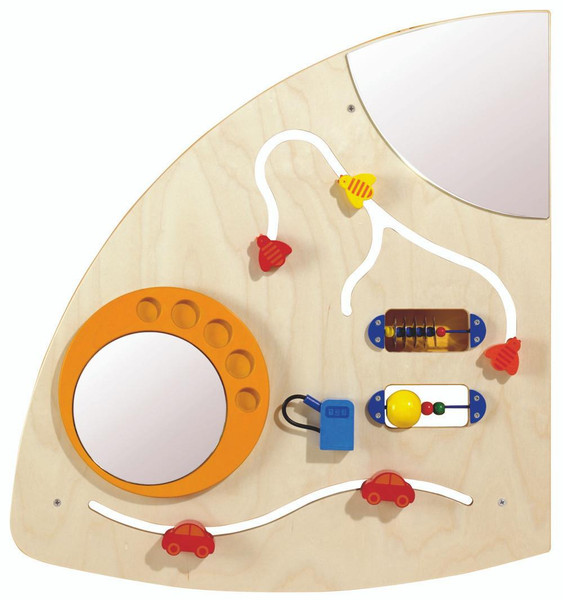
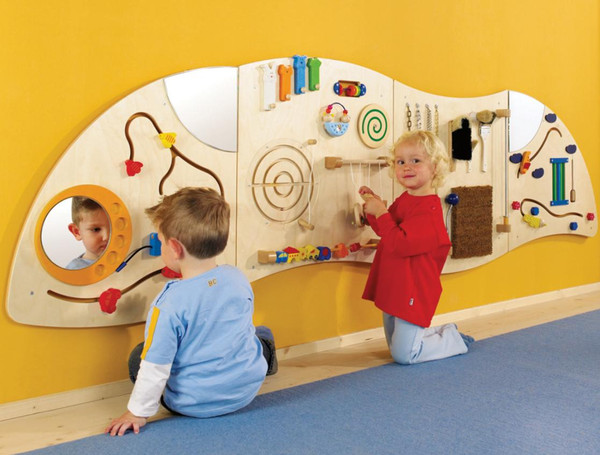
Sensory Learning Wall Activity Panel - Left Quarter Circle
PS-H1120215001$908.04$952.11HABA Pro Sensory Learning Wall Left Quarter Circle - Modular Activity Panel for Sensory Exploration HABA Pro Sensory Learning Wall Left Quarter Circle turns blank walls into active play zones... -
 - 7%Quick Ship- 7%Quick Ship
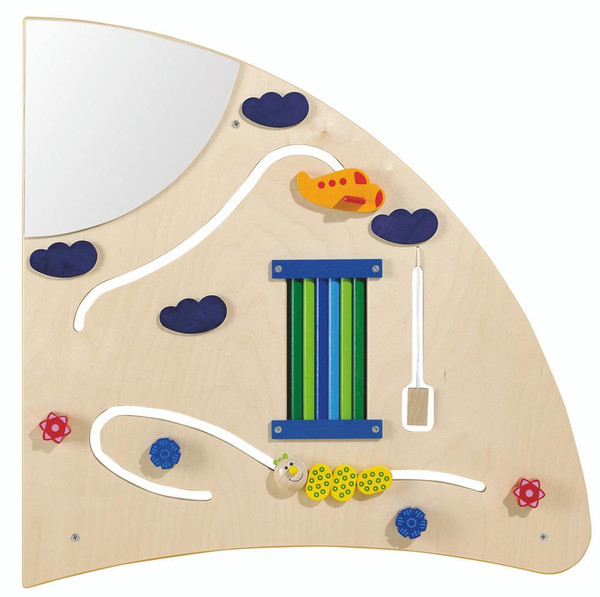
Sensory Learning Wall Activity Panel - Right Quarter Circle
PS-H1120218001$669.30$722.65HABA Sensory Learning Wall Right Quarter Circle - Corner Activity Panel for Sensory Exploration HABA Sensory Learning Wall Right Quarter Circle turns empty corners into fun learning zones. Children... -

 - 7%Quick Ship- 7%Quick Ship
Sensory Learning Wall Panel - Motor Skills C
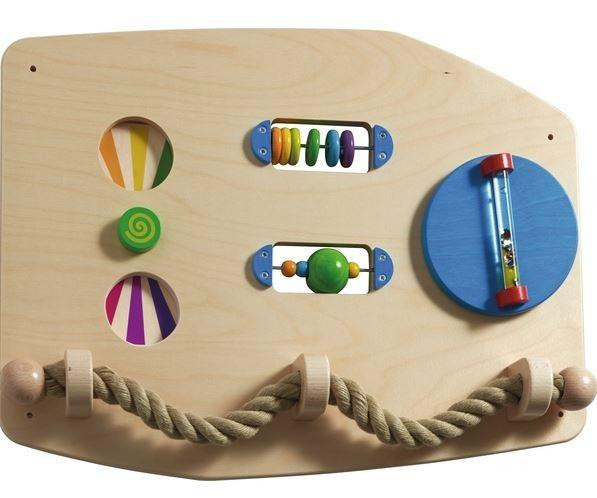
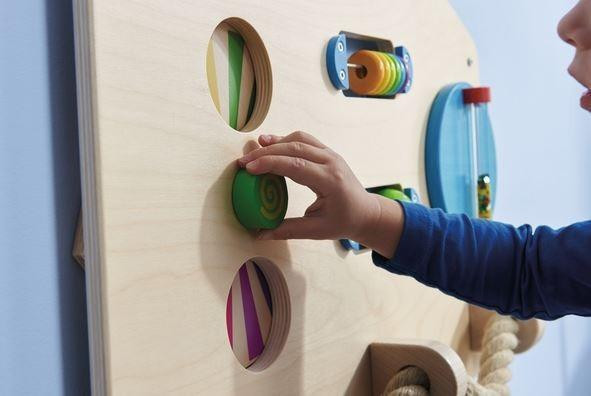
PS-H1056888001$525.78$564.71HABA Sensory Learning Wall Panel Motor Skills C - Sensory Activity Wall Toy for Fine Motor Play Encourage hands-on learning with the HABA Sensory Learning Wall Panel Motor Skills C. This engaging... -
 - 6%Quick Ship- 6%Quick Ship
Sensory Learning Wall Panel - Motor Skills D
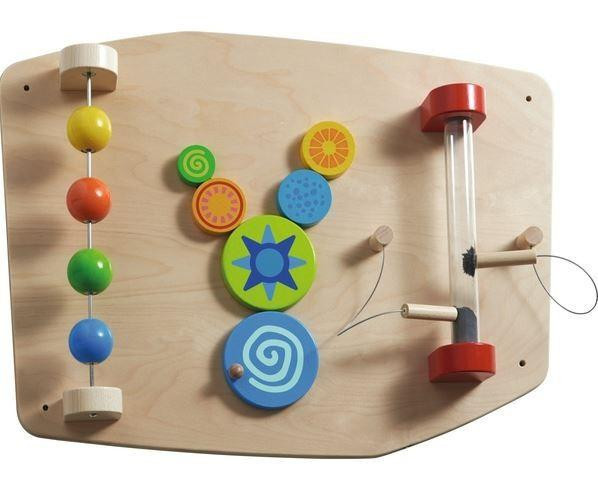
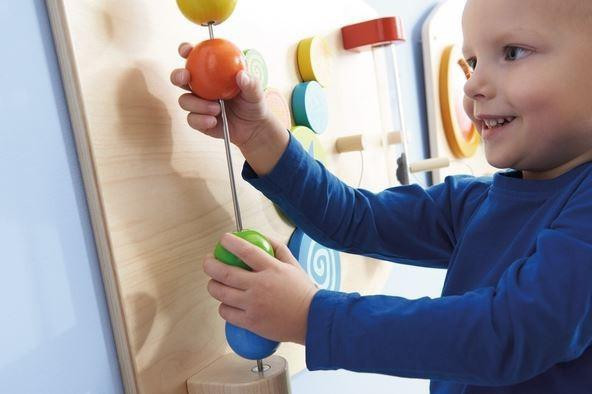
PS-H1056892001$713.46$761.39HABA Sensory Learning Wall Panel Motor Skills D - Sensory Activity Wall Toy for Grip & Motor Play Encourage hands-on discovery with the HABA Sensory Learning Wall Panel Motor Skills D. This engaging... -
 - 6%Quick Ship- 6%Quick Ship
Sensory Learning Wall Panel - Motor Skills E
PS-H1056893001$713.46$761.39HABA Sensory Learning Wall Panel Motor Skills E - Sensory Activity Wall Toy for Motion & Fine Motor Play Encourage hands-on discovery with the HABA Sensory Learning Wall Panel Motor Skills E. This... -

 - 10%Quick Ship- 10%Quick Ship
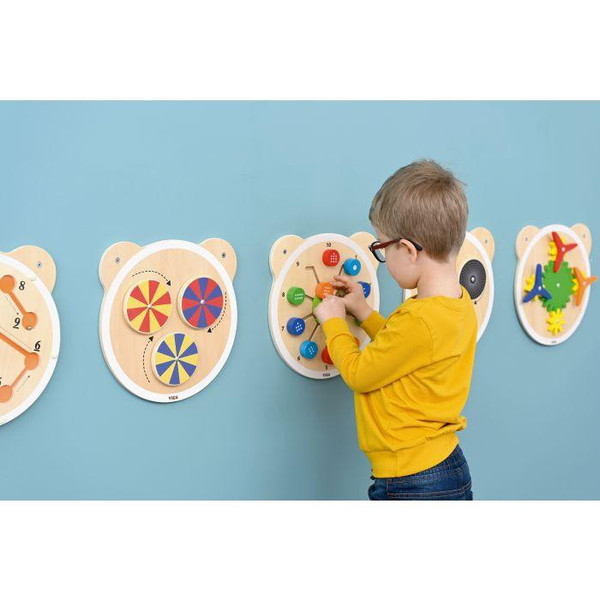
Sensory Wall Panel Set - 6 Matching Sensory Panels
PS-MB542108-13$292.56$324.36Sensory Wall Panel Set - Sensory Wall Panels For Interactive Learning Sensory Wall Panel Set - 6 Round Sensory Toys creates a full wall of hands-on learning and play. This Sensory Wall Panels Set... -

 - 15%Quick Ship- 15%Quick Ship
Shape Set for Modular STEAM Wall Systems - 256 Pack
BB-MK-ME14696-GG$168.80$198.94Bright Beginnings Shape Set - Colorful STEAM Shape Accessories for Hands-On Learning The Bright Beginnings Shape Set adds colorful, interactive fun to any STEAM wall system. This 256-piece shape... -

 - 10%Made in USA- 10%Made in USA
Shapes Magnetic Wall Activity
PS-CFY1061801xxx$378.12$419.22Shapes Magnetic Wall Panel - Shape Matching Activity for Early Learning Turn any wall into a learning station with the Shapes Magnetic Wall Activity. This colorful shape matching wall panel lets... -
 - 10%Made in USA- 10%Made in USA
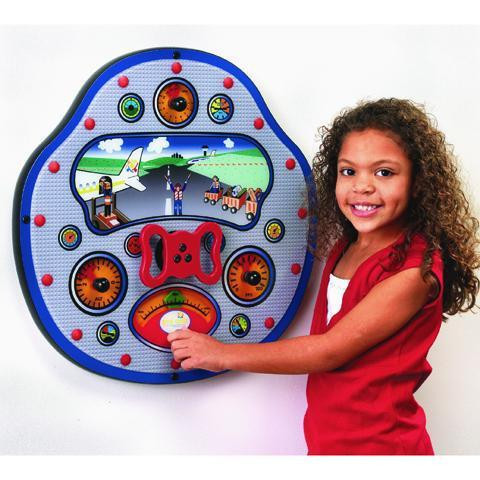
Sky Pilot Activity Wall Toy
PS-20-SKY-000$502.32$556.92Sky Pilot Activity Wall Toy - Take Flight with Imagination! Let your little ones soar to new heights with the Sky Pilot Activity Wall Toy! This engaging wall panel transforms any space into a...
Frequently Asked Questions About Wall Toys
Are wall toys safe for medical and therapy waiting rooms?
Yes. Commercial wall toys have no loose parts, sharp edges, or pinch points. They mount flush to the wall so they can't tip or be thrown. Most are made from non-porous materials (coated wood, plastic, laminates) that handle frequent disinfection. That's why many healthcare settings choose them over loose toys.
What skills do wall toys develop?
Hand-eye coordination, fine motor control, persistence, and spatial awareness - all through repeated, low-pressure play.
Are wall toys easy to clean and keep hygienic?
Yes. They're fixed to the wall with hard, sealed surfaces. Staff can wipe them down with standard disinfectants during room turnover or daily cleaning. They also keep floors clear. No scattered toys means fewer surfaces collecting dust and germs, and a tidier play area overall.
How many wall toys does a waiting room need, and where should they go?
Smaller spaces do well with one to three panels grouped into a clear kids' zone. Larger lobbies can create a short "play wall" with several themed panels. Place them where adults can supervise easily, away from doorways and foot traffic. Kids stay engaged without blocking the flow.