
Products List
-

 - 10%Made in USA- 10%Made in USA
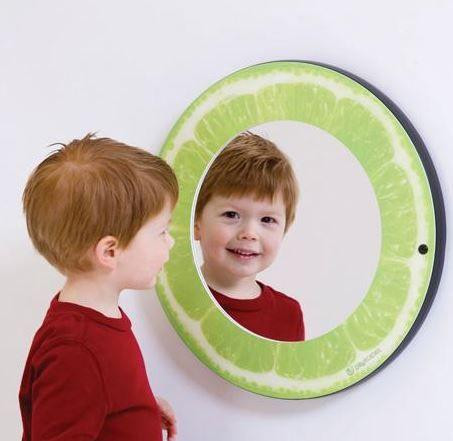
Citrus Funhouse Mirrors - Choose from 3
$244.26$270.81Citrus Funhouse Mirror - Playful Self-Discovery Wall Mirror for Early Learning Spaces The Citrus Funhouse Mirror invites young children to explore self-recognition and joyful reflection through... -

 - 10%Made in USA- 10%Made in USA
Citrus Funhouse Mirrors - Set of 3
$732.78$812.43Citrus Funhouse Mirror Set - Lemon, Lime & Orange Mirrors for Early Learning Spaces The Citrus Funhouse Mirror Set brings cheerful color and meaningful self-discovery to early childhood environments... -

 - 10%Made in USA- 10%Made in USA
Dress Up Mirror Wardrobe
$499.99$557.00Dress Up Mirror Wardrobe - Kids' Dress-Up Storage & Shatterproof Mirror Station Transform imaginative playtime with the Dress Up Mirror Wardrobe, a beautifully crafted all-in-one station designed to... -

 - 9%Made in USA- 9%Made in USA
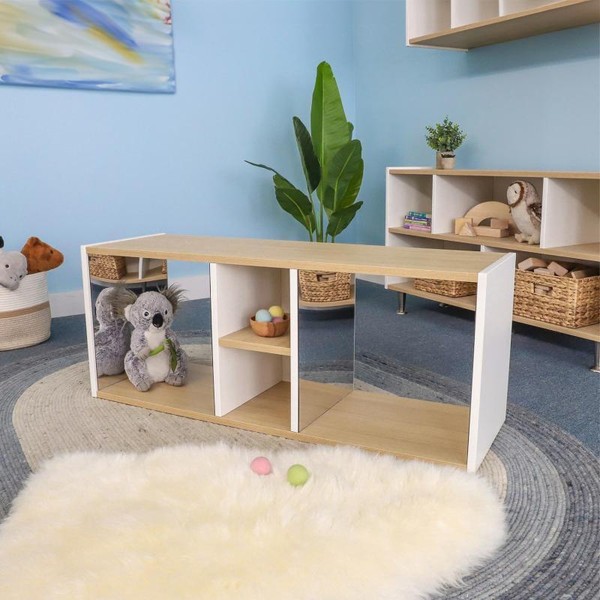
elevatED™ Discovery Crawl Thru Cabinet
$509.27$560.20elevatED™ Discovery Crawl Thru Cabinet - Toddler Mobility and Exploration Center The elevatED™ Discovery Crawl Thru Cabinet is thoughtfully designed to support early mobility, self-discovery, and... -

 - 9%Made in USA- 9%Made in USA
elevatED™ I-See-Me Toddler Mirrored Cabinet
$376.60$414.26elevatED™ I-See-Me Toddler Mirrored Cabinet - Modern Mobility Support for Toddlers Designed to support early movement and self-discovery, the elevatED™ I-See-Me Toddler Mirrored Cabinet helps... -
 - 7%- 7%
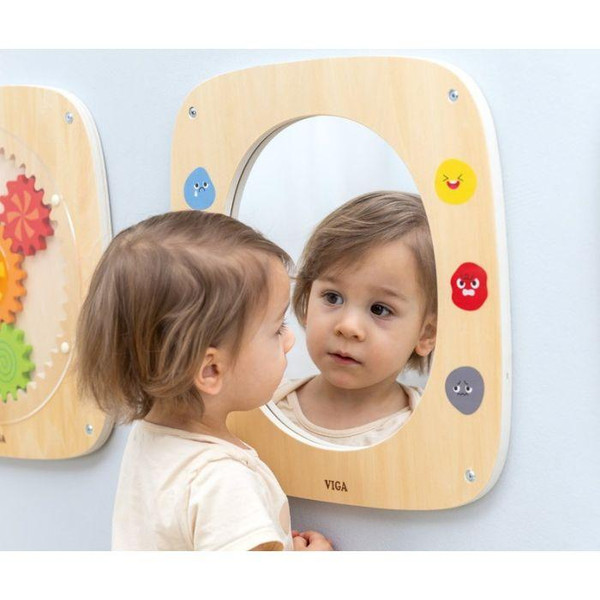
Emotions Sensory Wall Panel
$71.76$76.96Emotions Sensory Wall Panel - Mirror Play for Emotional Learning Help children explore feelings with the Emotions Sensory Wall Panel! This interactive mirror wall toy encourages young learners to... -
 - 10%Made in USA- 10%Made in USA
Goldenrod Hands On Fun Mirror
$351.90$390.15Goldenrod Hands-On Fun Mirror - A Bright, Sensory-Rich Interactive Wall Feature Bring color, creativity, and tactile exploration to any child-friendly environment with the Goldenrod Hands-On Fun... -
 - 10%Made in USA- 10%Made in USA
Growing Carrot Wall Mirror
$351.90$390.15Growing Carrot Wall Mirror for Kids - Watch Kids "Grow" with Every Glance Make height-tracking fun and imaginative with the Growing Carrot Wall Mirror for Kids. Designed to spark curiosity and... -
 - 5%Made in USA- 5%Made in USA
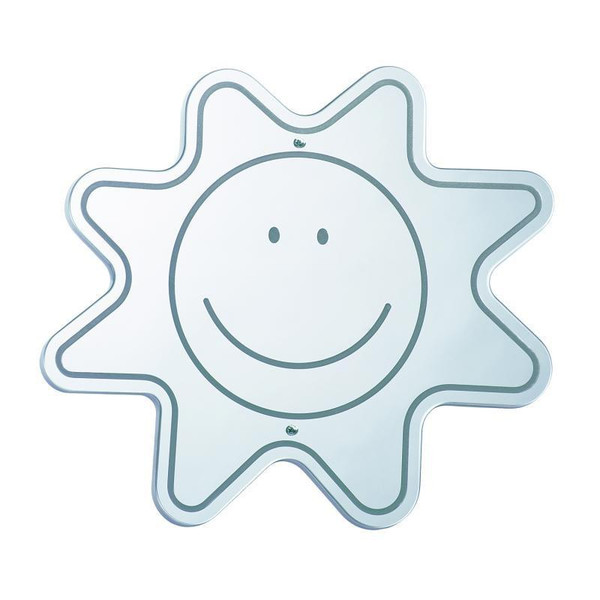
Happy Face Mood Mirror
$86.51$91.31Happy Face Mood Mirror - Add Joy, Expression, and Playful Learning to Any Space Brighten any room with the Happy Face Mood Mirror - a delightful funhouse-style mirror that encourages smiles,... -

 - 5%Made in USA- 5%Made in USA
How Do I Feel Today? Mood Mirror
$86.51$91.31How Do I Feel Today? Mood Mirror - A Fun, Interactive Way to Explore Emotions Help children understand, express, and identify their feelings with the How Do I Feel Today? Mood Mirror. Perfect for... -

 - 5%Made in USA- 5%Made in USA
Infant Floor Mirror Set Climbing Platform
$1,799.00$1,899.00Infant Floor Mirror Climbing Platforms - Sensory Play for Early Development Support first steps and discovery with the Infant Floor Mirror Climbing Platforms. This sensory play set helps babies... -

 - 14%Made in USA- 14%Made in USA
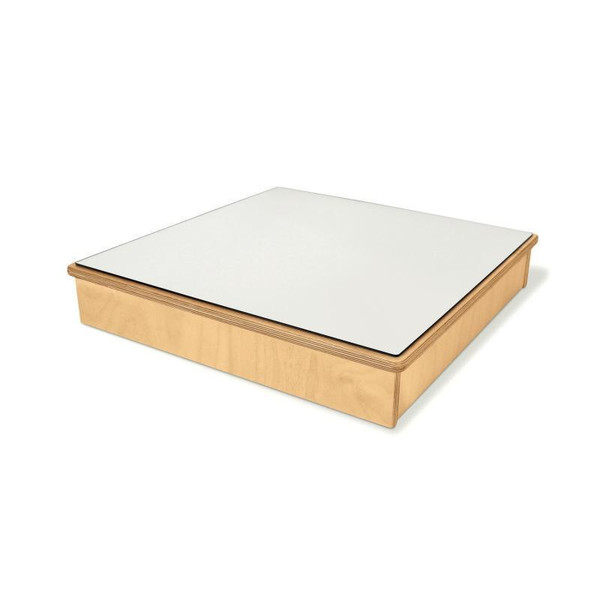
Low Square Infant Floor Mirror Platform
$299.00$349.00Low Square Infant Floor Mirror Platform - Sensory Play for Early Development Support first movements with the Low Square Infant Floor Mirror Platform. This sensory mirror platform sits low to the... -
 - 5%Made in USA- 5%Made in USA
Mood Mirrors 3-Pack
$222.23$234.95Mood Mirrors 3-Pack - Encourage Self-Expression Through Play Bring emotional expression, imaginative play, and sensory exploration to life with the Mood Mirrors 3-Pack. This engaging set of... -
 - 5%Made in USA- 5%Made in USA
Mood Mirrors 5-Pack
$358.67$378.59Funhouse Mood Mirrors 5-Pack - Inspire Creativity, Expression, and Emotional Learning Spark imagination and emotional awareness with the Funhouse Mood Mirrors 5-Pack. Each mirror provides a unique... -
 - 10%Made in USA- 10%Made in USA
MyPlate Childrens Fun Mirror
$351.90$390.15MyPlate Fun Mirror for Kids - Teach Healthy Eating Through Interactive Play Make nutrition learning fun, colorful, and engaging with the MyPlate Fun Mirror for Kids. This innovative wall mirror... -

 - 10%Made in USA- 10%Made in USA
Quarter Round Infant Floor Mirror Platform
$349.00$389.00Quarter Round Infant Floor Mirror Platform - Sensory Play for Early Movement Support early growth with the Quarter Round Infant Floor Mirror Platform. This sensory mirror platform helps babies... -
 - 14%Made in USA- 14%Made in USA
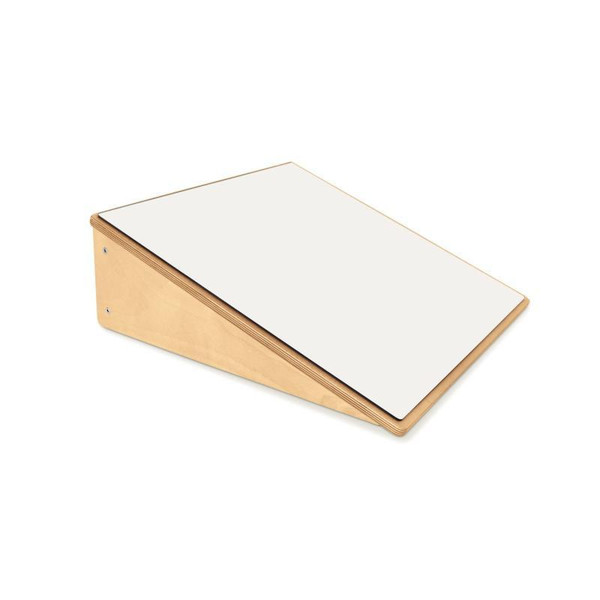
Ramp Infant Floor Mirror Platform
$299.00$349.00Ramp Infant Floor Mirror Platform - Sensory Play for Early Movement Encourage active discovery with the Ramp Infant Floor Mirror Platform. This sensory mirror platform helps babies crawl, climb, and... -
 - 10%Made in USA- 10%Made in USA
Round Infant Floor Mirror Platform
$349.00$389.00Round Infant Floor Mirror - Sensory Mirror for Early Exploration Support early movement and discovery with the Round Infant Floor Mirror. This sensory mirror platform helps babies explore reflection... -

 - 5%Made in USA- 5%Made in USA
Sad Face Mood Mirror
$86.51$91.31Sad Face Mood Mirror - Encourage Emotional Expression Through Playful Reflection Add a meaningful and whimsical touch to any environment with the Sad Face Mood Mirror. Designed to gently introduce... -
 - 10%Made in USA- 10%Made in USA
Safari Kids Wall Mirror
$351.90$390.15Safari Wall Mirror for Kids - Bring Adventure and Imagination to Any Play Space Transform your child's room into a wild adventure with the Safari Wall Mirror. Designed with vibrant illustrations of...
Our Funhouse mirrors bring instant laughter and curiosity to any space while encouraging visual exploration and social interaction. Designed for high-traffic environments, these commercial-grade mirrors are perfect for waiting rooms, schools, libraries, and children’s museums - offering safe, distortion-based play that keeps kids engaged without noise, mess, or loose parts.
Frequently Asked Questions About Funhouse Mirrors
(:1f604:) What are funhouse mirrors for kids, and why are they great in waiting rooms?
Funhouse mirrors are specially shaped, shatter‑resistant mirrors that stretch, squish, or warp a child’s reflection to create silly, giggle‑worthy images. They turn an ordinary wall into instant entertainment, helping kids laugh, move, and stay busy so waits feel shorter and less stressful for families.
(:1fa9e:) Are funhouse mirrors safe for children in medical and therapy settings?
Yes. Commercial funhouse mirrors for kids’ spaces use durable acrylic or similar shatter‑resistant materials in sturdy frames that mount securely to the wall. They are designed for high‑traffic public environments, so there’s no glass to break and no loose pieces to create hazards.
(:1f476:) What ages are funhouse mirrors best for?
Funhouse mirrors appeal to a wide age range: babies and toddlers enjoy simple mirror play and recognizing themselves, while preschoolers and older kids love making funny faces and full‑body poses. That makes them ideal for mixed‑age waiting rooms with siblings from toddler through early elementary.
(:1f9e0:) Do funhouse mirrors offer any developmental or sensory benefits?
Yes. Mirror play supports self‑awareness, emotional expression, and body awareness as children watch their movements and facial expressions change. Moving, jumping, and posing in front of a large mirror also promotes gross‑motor coordination, balance, and confidence, which is especially helpful in sensory and therapy environments.