
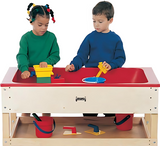
Our activity and game tables are multi-use play surfaces designed to bring hands-on games, puzzles, and learning activities together in one shared space. Commonly used in classrooms, libraries, playrooms, and children’s activity areas, these tables encourage collaboration, problem-solving, and focused engagement. Built for durability and everyday use, activity and game tables support structured play while creating inviting environments where children can learn, interact, and explore together.

Products List
-
 14%Made in USA14%Made in USA
IllumiTable Light Bright Table
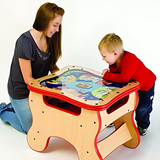
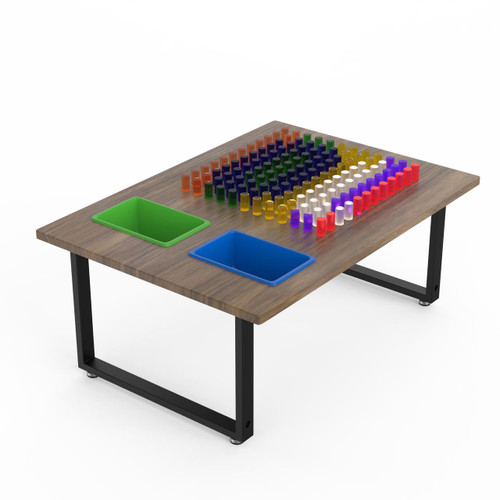
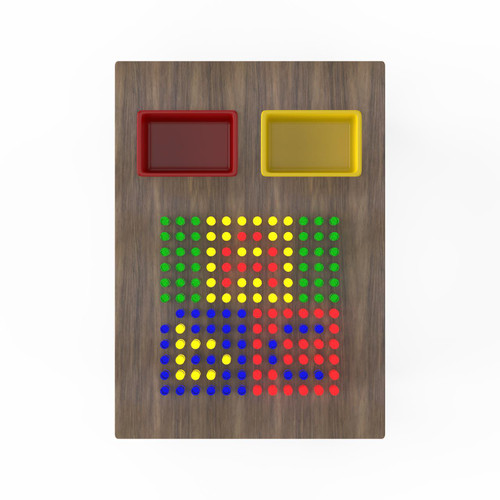
LZ-IllumiTable-xSale: $3,850.00Price: $4,466.00IllumiTable™ Light Bright Table - Black HDPE - Durable Illuminated Tabletop for Hands-on Creative Play. The IllumiTable™ Light Bright Table – Black HDPE delivers radiant, light-based creativity in a sleek, professional-grade...
Frequently Asked Questions About Activity Tables & Games
(:1f3b2:) What are activity & game tables, and why use them in waiting rooms?
Activity and game tables are child-height tables with built‑in play features—like bead mazes, magnetic tracks, LEGO® tops, or classic board games—designed for shared, seated play. They keep kids in one spot, reduce running and wandering, and turn wait time into quiet, focused fun that feels organized rather than chaotic.
(:1f476:) What ages do activity & game tables work best for?
Most tables are designed for preschool through elementary ages, roughly 3–10 years, with simple activities for younger kids and strategy games for older ones. Mixed-activity tops (mazes on one side, blocks or games on another) help the same table serve a wide age range in busy clinics and family practices.
(:1f9e0:) What developmental benefits do these activity tables offer?
They support fine‑motor skills, problem‑solving, visual‑motor integration, early math and literacy, and social skills like turn‑taking and cooperation. Because kids sit together at a shared surface, game tables naturally encourage conversation, teamwork, and flexible thinking during play.
(:1f637:) Are activity & game tables safe and hygienic for healthcare settings?
Yes—commercial models use smooth, non‑porous surfaces, rounded edges, and fixed components so there are no loose parts to lose or sanitize. Tabletops and attached elements can be wiped quickly with disinfectants as part of regular cleaning, making them more manageable than bins of loose toys.
(:1f4cf:) How many play tables does a waiting room need, and what size works best?
Smaller offices often do well with one multi‑activity table (around 24–36" square or round), while larger lobbies may add 2–3 tables to create a defined kids’ zone. Place tables where adults can easily supervise but away from doors and main traffic paths so kids can play comfortably without blocking circulation.
