Classroom Dividers for Early Learning: Noise & Distraction Reduction
Table of Contents
Is your daycare or preschool too noisy for effective learning? WHO recommends keeping classroom sound below 35 decibels, but most early childhood settings far exceed that. Discover how the right classroom dividers can reduce noise by up to 65% while supporting child development.
Key Takeaways
- Sound-absorbing classroom dividers can reduce noise levels by up to 65%, creating calmer learning environments for young children
- The WHO recommends keeping classroom noise below 35 decibels for optimal learning conditions in early childhood settings
- Modular dividers with built-in sensory elements support self-regulation and fine motor development while reducing visual distractions
- Strategic room division helps create focused learning zones that separate active play areas from quiet activities
- Modern classroom partitions offer flexible layouts that adapt to daily teaching needs without permanent construction
Modular Panels Cut Classroom Noise by 65%
Excessive noise in early childhood classrooms creates a cascade of learning challenges that many educators struggle to address. Research demonstrates that high-quality room dividers can absorb up to 65% of ambient sound, dramatically improving the acoustic environment where young minds develop most rapidly.
Modern acoustic dividers work by breaking sound waves and preventing them from bouncing around large open spaces. Studies in kindergarten classrooms show remarkable results: installing sound-absorbing panels can significantly reduce reverberation time while decreasing overall sound levels. This improvement in sound quality makes it easier for children to hear instructions, focus on activities, and engage in meaningful learning experiences.
Little People's Cove offers their Sound Absorbing Classroom Dividers Collection, which combines noise reduction capabilities with built-in sensory activities designed specifically for early childhood environments. The modular system allows educators to create flexible learning zones while addressing both acoustic and developmental needs in busy classrooms.
Why Noise Levels Matter for Young Learners
1. WHO Recommends Below 35 Decibels for Learning
The World Health Organization has established clear guidelines for classroom acoustics, recommending that ambient noise levels remain below 35 decibels to support optimal learning conditions. Most typical preschool and daycare environments far exceed this threshold, with noise levels often reaching 50-60 decibels or higher during active play periods.
Young children's developing auditory systems are particularly vulnerable to acoustic interference. Unlike adults who can filter background noise, preschoolers struggle to distinguish between important sounds (like teacher instructions) and environmental noise. This biological reality makes WHO guidelines especially critical for early childhood settings where foundational learning occurs.
2. High Noise Hinders Memory and Comprehension
Research consistently shows that excessive classroom noise significantly impacts student performance, with younger children experiencing the most pronounced effects. High noise levels interfere with working memory, making it difficult for preschoolers to follow multi-step instructions or retain new information during lessons.
Comprehension suffers dramatically when children must strain to hear over background chatter, toy sounds, or HVAC systems. Studies indicate that even moderate increases in ambient noise can reduce vocabulary acquisition and reading readiness skills that form the foundation for future academic success.
3. Visual Overstimulation Creates Added Challenges
Visual overstimulation compounds acoustic challenges in busy classrooms. Excessive visual input can create sensory overload that may trigger stress responses and difficulty with self-regulation in young children. When visual and auditory stimulation combine, even typically developing children may struggle to maintain focus.
Strategic use of classroom dividers helps reduce visual distractions by creating defined boundaries around learning activities. This intentional design approach supports emotional regulation and allows children to concentrate on specific tasks without constant visual interruption from other classroom areas.
Quiet Sound Proof Panel Wall Divider 48" x 10' - 3 Colors

$1,386.00
Quiet Divider® Panel Wall - Acoustic Divider for Noise Control The Quiet Divider® Panel Wall helps create calm and quiet spaces. This acoustic room divider...… read more
Shop Now!How Sound-Absorbing Dividers Transform Learning Spaces
Proven Acoustic Results in Real Classrooms
Controlled studies in early childhood settings demonstrate measurable improvements when acoustic panels are properly implemented. Research shows statistically significant reductions in decibel levels, creating safer and more comfortable environments for developing ears and minds.
The most effective classroom dividers combine sound absorption with practical functionality. Panels with soft surfaces or specialized acoustic materials work better than hard plastic or metal dividers that can actually amplify noise by creating echo effects. Quality acoustic treatments can significantly reduce reverberation time, improving speech intelligibility throughout the classroom.
Creating Defined Zones for Better Focus
Room division creates natural "flow zones" that support emotional regulation and focused learning. By separating high-energy areas like block play and dramatic play from quieter zones such as reading corners and art tables, educators can minimize cross-contamination of noise and activity levels.
Well-designed classroom layouts use dividers to establish clear pathways and boundaries that help children understand behavioral expectations. When active and quiet zones are clearly delineated, children naturally adjust their voice levels and energy to match the space, reducing the need for constant adult redirection.
Sensory Benefits Beyond Noise Reduction
1. Built-in Activities Support Self-Regulation
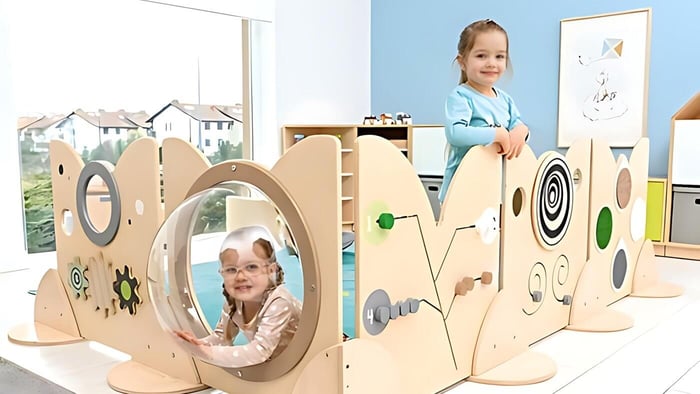
Modern sensory play panel dividers offer integrated tactile experiences that help children manage their sensory needs throughout the day. Fidget-friendly features like spinners, textures, sliders, and mazes provide appropriate sensory input that can prevent overstimulation and support emotional regulation.
These built-in activities serve as "sensory diet" tools that occupational therapists often recommend for classroom settings. When children can access appropriate tactile input at the boundaries of learning spaces, they're better equipped to maintain calm, focused states during structured activities.
2. Tactile Elements Support Fine Motor Skills
Sensory panel activities naturally incorporate fine motor challenges that support developmental goals. Manipulating switches, sliding beads, or touching textured surfaces builds hand-eye coordination and finger strength that directly translates to improved writing and self-care skills.
The beauty of integrated sensory elements lies in their accessibility during transitions and free play. Children can engage with fine motor challenges organically throughout the day, receiving multiple practice opportunities without structured "therapy time" that might feel forced or clinical.
3. Flexible Layouts Adapt to Daily Needs
Modular divider systems allow educators to reconfigure classroom layouts based on daily activities, group sizes, or seasonal programming changes. This adaptability supports differentiated instruction and helps maximize limited classroom square footage.
Well-designed classroom arrangements can support focus and attention among young children, including those with sensory processing challenges. The ability to quickly create smaller, more intimate spaces within larger rooms helps teachers provide individualized support while maintaining visual supervision of all students.
Gears Sensory Play Panel Partition

$235.98
Gears Sensory Play Panel Partition - Interactive Classroom Divider The Gears Sensory Play Panel Partition adds motion and structure to learning spaces. This interactive gears classroom...… read more
Shop Now!Safety and Durability Features for High-Traffic Use
Stability Design Prevents Tipping
Quality classroom dividers feature engineered stability systems that prevent tipping when children lean against or interact with panel activities. Wide, weighted bases and cantilever leg designs distribute weight effectively, ensuring panels remain upright even during active use.
Reputable manufacturers prioritize safety and adhere to relevant early childhood safety standards. Features like rounded edges, shatter-resistant viewing windows, and securely fastened sensory components ensure that dividers function as stable classroom furniture rather than potential hazards.
Easy-Clean Surfaces for Daily Sanitizing
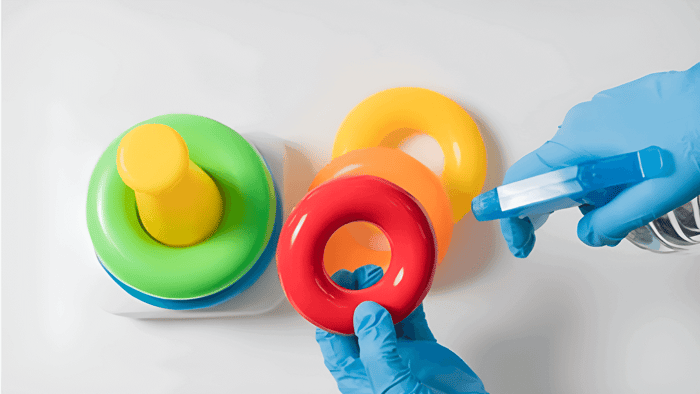
Early childhood environments require frequent cleaning and sanitization, making surface materials a critical consideration. The best classroom dividers feature non-porous materials like finished wood, laminate, or vinyl that withstand daily disinfection without degrading or harboring bacteria.
Maintenance considerations extend beyond daily cleaning to include durability under constant use. Quality dividers maintain their appearance and functionality through years of intensive classroom use, making them cost-effective investments for educational programs operating on tight budgets.
Transform Your Classroom with Proven Acoustic Solutions
The evidence is clear: strategic implementation of sound-absorbing classroom dividers creates measurably better learning environments for young children. When noise levels drop and visual distractions are minimized, both children and educators benefit from reduced stress and improved communication.
Successful classroom transformation starts with understanding the specific acoustic and functional needs of each learning space. Consider factors like ceiling height, existing noise sources, daily activity patterns, and the developmental needs of enrolled children when selecting divider systems.
Investment in quality classroom dividers pays dividends through improved learning outcomes, reduced behavioral challenges, and teacher satisfaction. The combination of noise reduction, sensory support, and flexible space design creates environments where young learners can thrive academically, socially, and emotionally.
Little People's Cove offers classroom solutions designed specifically for early childhood environments at littlepeoplescove.com.
FAQs
How can classroom dividers help reduce noise in early childhood settings?
Classroom dividers help reduce noise in early childhood settings by absorbing sound, blocking sound paths, and breaking up noisy spaces into smaller zones. When you choose dividers with sound‑absorbing cores or acoustic felt, they can absorb a significant portion of the sound waves that hit them, instead of letting those waves bounce around hard surfaces like floors, ceilings, and windows.
By placing dividers between the loudest areas (block centers, dramatic play, gross motor zones) and quieter spaces (reading corners, small‑group tables), you interrupt the direct path of sound so children and teachers on the “quiet side” hear less overall noise and reverberation. In open or shared rooms, portable partitions can create semi‑enclosed nooks that feel calmer and reduce both auditory and visual distractions, making it easier for young children—especially those with sensory sensitivities—to focus and self‑regulate.
Can high noise levels in daycare really affect language, attention, and behavior, or is it just “part of preschool”?
High noise levels in daycare are not just “part of preschool”—they can meaningfully affect children’s language learning, attention, and behavior. Research links noisy, echo‑y classrooms with poorer listening, more distraction, and more stress‑related behaviors, especially for toddlers and preschoolers whose brains are still developing.
Studies show that background noise makes it harder for young children to pick up new words and map them to objects, particularly when they are toddlers, compared to when the same teaching happens in a quieter environment. Reviews of classroom acoustics find that high noise and poor acoustics reduce children’s listening comprehension and can interfere with short‑term memory and other skills needed for learning. Preschool teachers themselves report that loud rooms are linked to behaviors like kids “being distracted,” “trying to be heard,” withdrawing, or acting out, suggesting a clear connection between noise and behavior in real classrooms. Over time, experts warn that repeated exposure to high noise during critical developmental periods may affect language‑related skills such as reading and listening, which is why organizations like the EPA and pediatric groups recommend actively managing noise rather than accepting it as inevitable.
How can room dividers support both quiet and active learning zones?
Room dividers support both quiet and active learning zones by physically and visually separating different types of activities within the same open space. When you place dividers between louder areas like block play, dramatic play, or gross motor zones and quieter spaces like reading nooks or small‑group tables, you block direct sound paths and reduce visual distractions, so children in the “quiet” side can focus while others continue active play nearby.
Classroom Dividers also help you define clear, predictable learning zones (for example, a cozy reading corner, an art area, a sensory zone, and a collaborative group space), which supports routines and makes it easier for young children to understand what kind of behavior is expected in each area—calm voices and bodies in quiet zones, bigger movements and louder play in active zones. Because many modern classroom panels are modular and mobile, teachers can quickly reconfigure the layout for circle time, centers, or special projects, keeping quiet and active areas in balance throughout the day without permanent construction.