Melissa & Doug vs Fat Brain Sensory Toys: Modular or Fixed?
Table of Contents
- Melissa & Doug and Fat Brain Toys offer two distinct takes on sensory wall play—traditional wooden durability versus modern modular flexibility. Explore which option best suits your toddler, along with high commercial quality alternatives.
- Fixed Construction vs Magnetic Modularity
- Melissa & Doug: Classic Fixed Design Features
- Fat Brain Toys: Modular Magnetic Systems
- Developmental Benefits Comparison
- HABA Alternative: Professional-Grade Modular Walls
- Choose Fixed for Durability, Modular for Flexibility
- FAQs
Melissa & Doug and Fat Brain Toys offer two distinct takes on sensory wall play—traditional wooden durability versus modern modular flexibility. Explore which option best suits your toddler, along with high commercial quality alternatives.
Key Takeaways:
- Fixed vs. Modular Design: Melissa & Doug offers permanently integrated wooden sensory toys, while Fat Brain Toys provides magnetic modular systems with swappable tiles
- Safety Considerations: Fat Brain Toys' PlayTab Rollers Tile experienced a 2025 safety recall due to magnet hazards, highlighting durability trade-offs in modular designs
- Professional Alternative: HABA's German-engineered sensory toy wall systems offer institutional-grade modular panels that outperform both brands in educational settings
- Development Focus: Choose fixed designs for consistent fine motor practice or modular systems for creative flexibility and problem-solving challenges
When choosing sensory wall toys for toddlers and preschoolers, the fundamental decision between fixed construction and modular flexibility shapes the entire play experience. Understanding how these design approaches impact development, safety, and long-term value helps parents, educators, and therapists make informed decisions.
Fixed Construction vs Magnetic Modularity
The core difference between these sensory wall approaches lies in their construction philosophy. Fixed sensory toys integrate all elements permanently into a single unit, creating consistent tactile experiences that children can master over time. Modular systems use magnetic or interchangeable components, allowing users to customize activities and introduce new challenges as children develop.
This design distinction affects everything from portability to developmental benefits. Fixed walls excel in institutional settings where durability matters most, while modular systems shine in home environments where variety and space constraints drive purchasing decisions.
Melissa & Doug: Classic Fixed Design Features
1. Wooden Construction with Integrated Elements
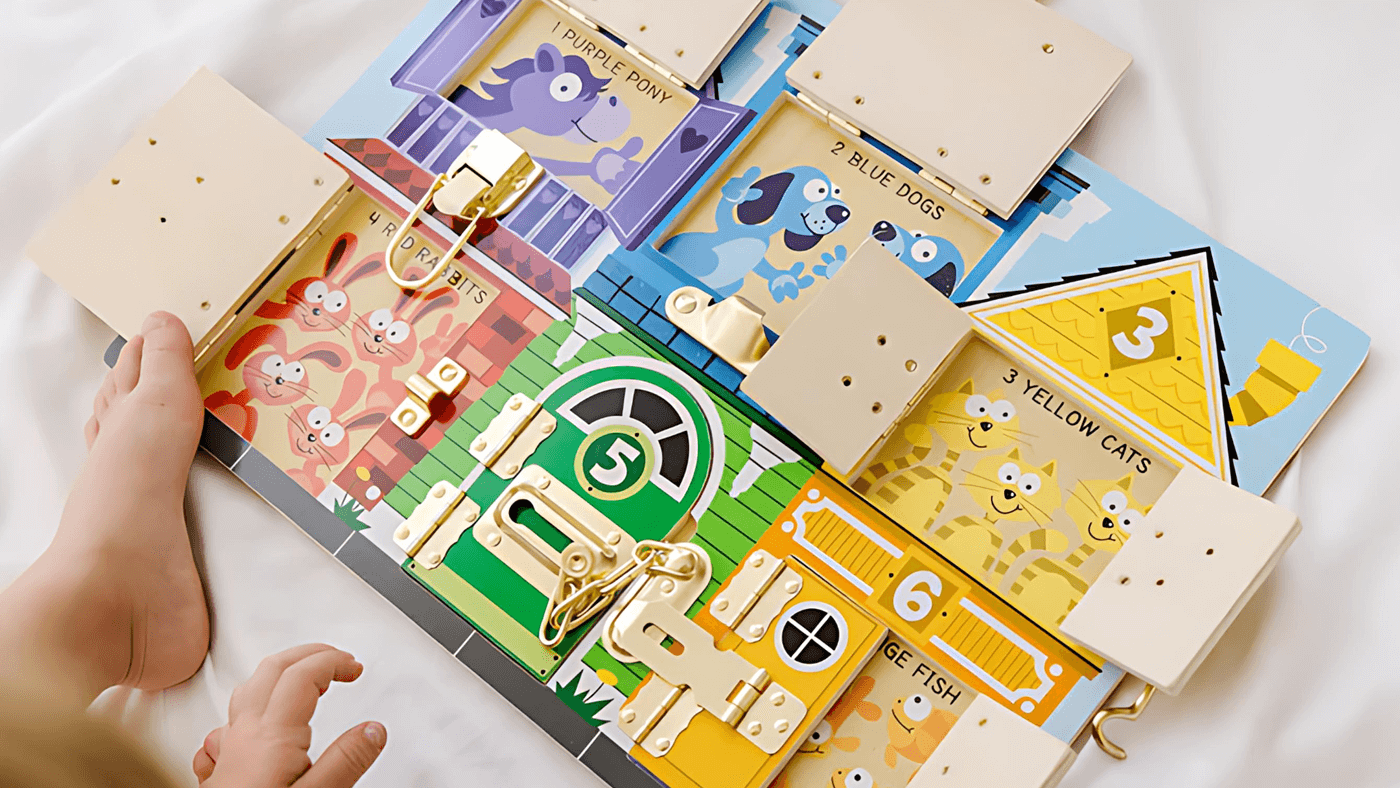
Melissa & Doug sensory toys feature solid wood construction with permanently attached latches, locks, doors, and textured surfaces. These classic designs emphasize structured fine motor practice through consistent manipulation of wooden components. The integrated elements include various textures, shapes, and interactive features that encourage tactile exploration and problem-solving skills.
Their approach prioritizes foundational sensory skill building using traditional materials. Children develop hand-eye coordination through repeated interaction with the same elements, building muscle memory and confidence. The wooden surfaces provide natural tactile feedback that many educators prefer for early childhood development.
2. Durability Trade-offs and Common Complaints
While Melissa & Doug toys earn praise for their sturdy construction and longevity, some specific models face criticism for weak attachment points. Velcro components and heavy parts can become problematic with frequent use, particularly in classroom settings where multiple children interact with the same toy daily.
Paint chipping represents another durability concern, especially on frequently handled surfaces like kitchen sets or food-themed toys. Despite these issues, the solid wood construction generally withstands institutional use better than plastic alternatives, making them popular choices for therapy centers and preschools.
Fat Brain Toys: Modular Magnetic Systems
1. PlayTab's Six-Tile System with 12 Available Options
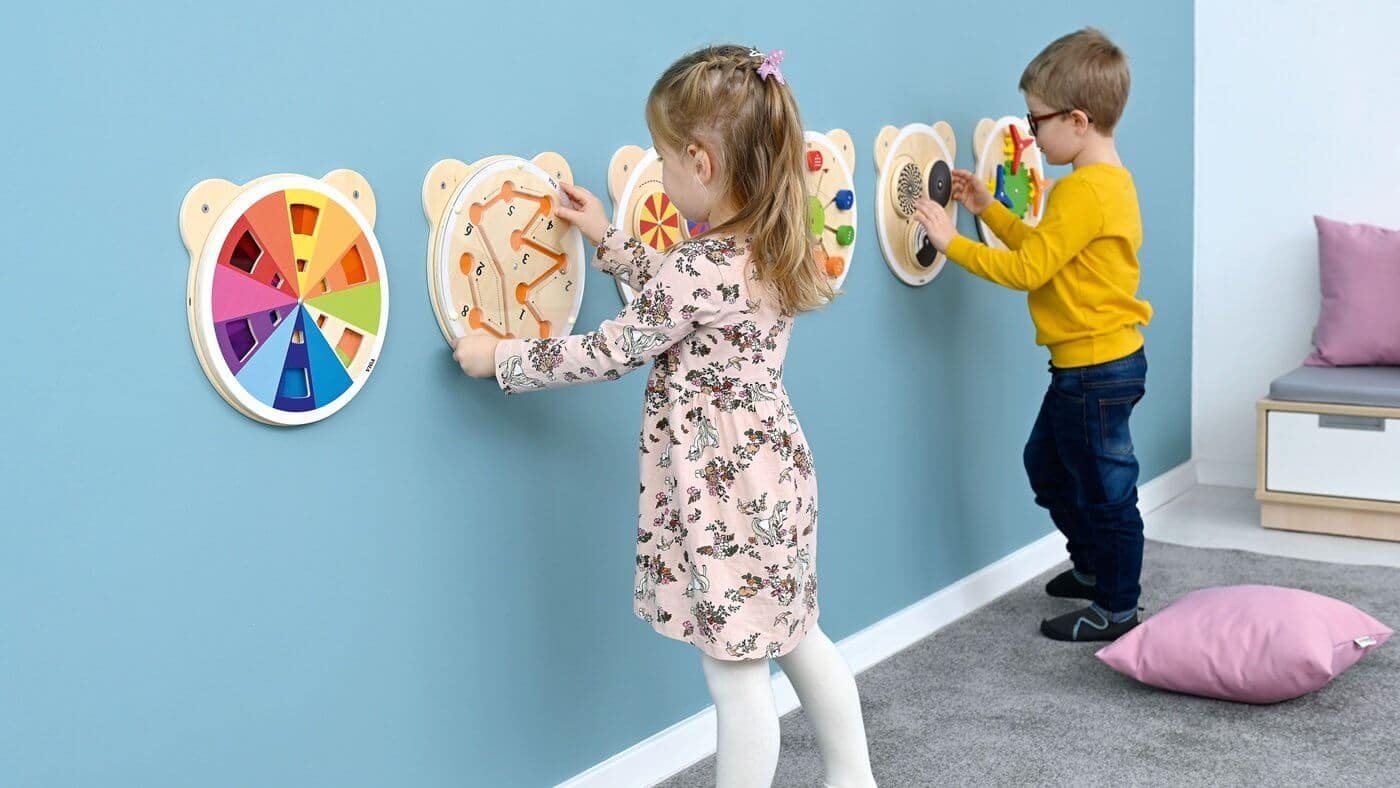
Fat Brain Toys' PlayTab Modular Activity Board features six magnetically attached tiles that children can swap out from twelve available options. This system promotes creativity, fine motor skills, and sensory exploration through different tactile and cause-and-effect challenges. The magnetic tiles include gears, buttons, mazes, and other interactive elements designed to engage multiple senses simultaneously.
The modular approach allows parents to introduce new challenges as children master existing tiles, extending the toy's useful life. This adaptability makes the PlayTab particularly appealing for home use, where storage space and variety matter more than institutional durability.
2. 2025 Safety Recall and Magnet Hazard Considerations
Fat Brain Toys faced significant safety challenges in 2025 when the PlayTab Rollers Tile was recalled due to magnet hazards for young children. The recall highlighted inherent risks in modular magnetic systems, where small powerful magnets can detach and create serious internal injuries if swallowed.
While the company addressed these specific safety issues, the incident underscores the ongoing tension between modular flexibility and child safety. Parents and educators must carefully supervise magnetic sensory toys and regularly inspect them for loose or damaged components.
3. Portability Benefits and Magnetic Limitations
The PlayTab's portability represents its strongest advantage over fixed alternatives. The lightweight design and compact tiles fit easily in diaper bags, making it ideal for travel and on-the-go sensory play. This portability particularly benefits families with sensory-seeking children who need consistent stimulation throughout the day.
However, the magnetic attachment system creates limitations. Some users report that magnets aren't strong enough to prevent easy removal by determined toddlers, leading to lost pieces and reduced play value. The balance between child-safe magnetic strength and secure attachment remains a challenge for modular systems.
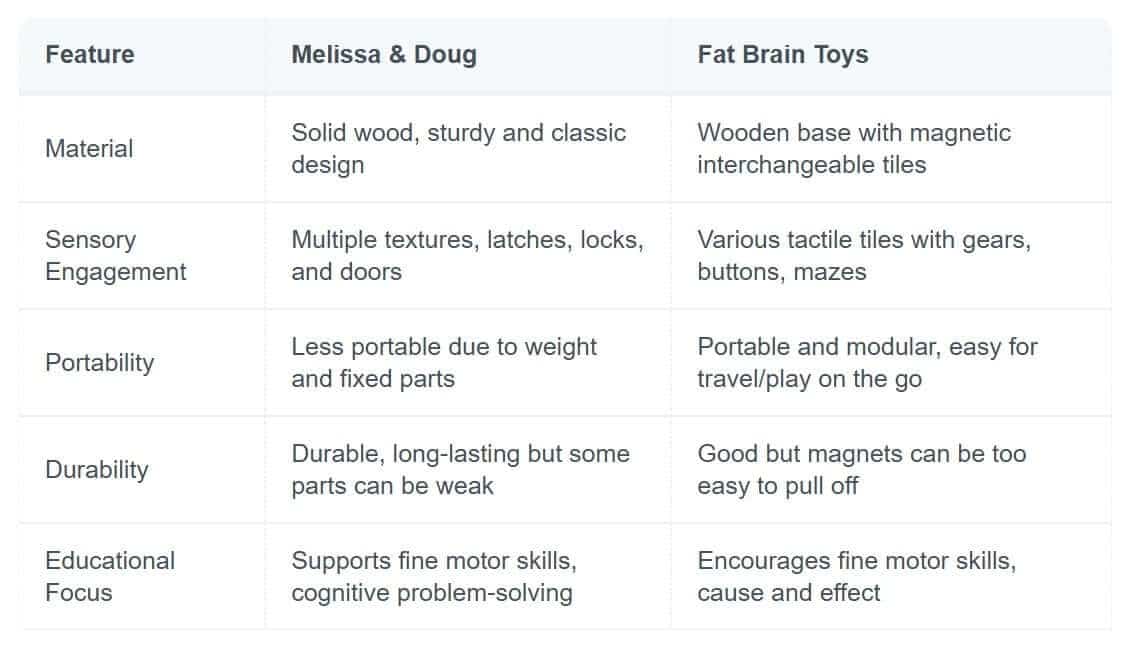
Developmental Benefits Comparison
1. Fine Motor Skills Approach Differences
Melissa & Doug toys focus on structured fine motor practice through consistent manipulation of integrated components. Children develop specific skills like turning latches, sliding doors, and manipulating textured surfaces through repeated interaction. This approach builds foundational motor patterns that transfer to real-world tasks like buttoning clothes or using zippers.
Fat Brain Toys emphasize dynamic fine motor challenges through varied tile interactions. The changing configurations require children to adapt their motor strategies, promoting cognitive flexibility alongside motor development. This variability may better prepare children for novel motor challenges but provides less intensive practice of specific movement patterns.
2. Sensory Exploration Methods
Fixed sensory toy walls provide consistent tactile experiences that children can fully explore and master over time. The permanent nature allows deep sensory processing as children repeatedly engage with familiar textures and resistance levels. This consistency particularly benefits children with sensory processing differences who thrive on predictable input.
Modular systems offer varied sensory experiences that prevent habituation and maintain engagement longer. The ability to introduce new textures, sounds, and visual elements keeps sensory exploration fresh and challenging. This variety supports broader sensory integration but may overwhelm children who need consistent sensory input to regulate their nervous systems.
HABA Alternative: Professional-Grade Modular Walls
1. German Birch Veneer Construction for Institutional Use
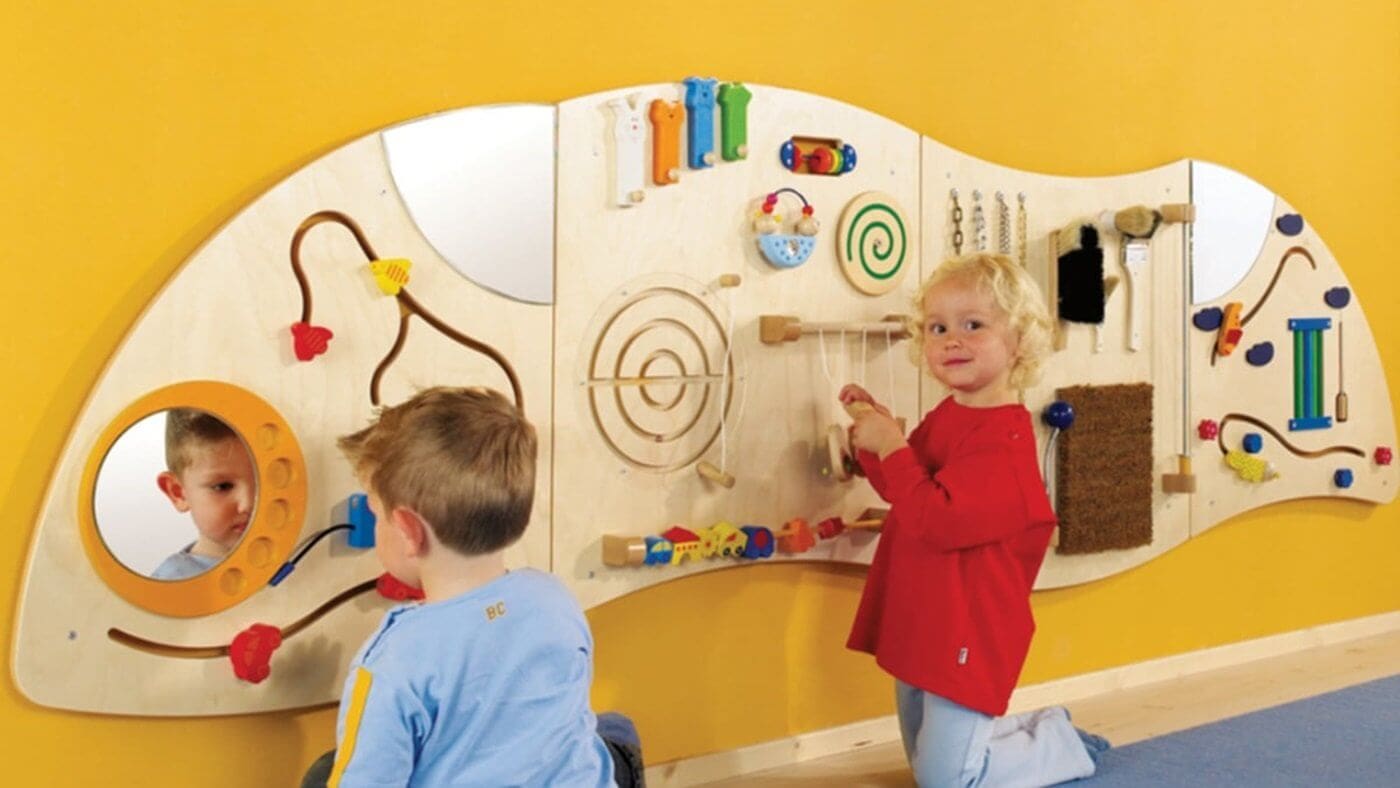
HABA's sensory toy wall systems represent a professional-grade alternative that combines modular flexibility with institutional durability. Little People's Cove offers HABA sensory toy wall systems featuring German birch veneer construction designed for intensive educational use. These large-scale panels provide immersive sensory environments with diverse tactile, visual, and auditory elements.
The German engineering approach prioritizes both safety and longevity, using mortise-and-tenon joinery and food-safe finishes. This construction quality allows HABA systems to withstand institutional use while maintaining the flexibility that modular designs provide.
2. Interchangeable Panel System and Learning Walls
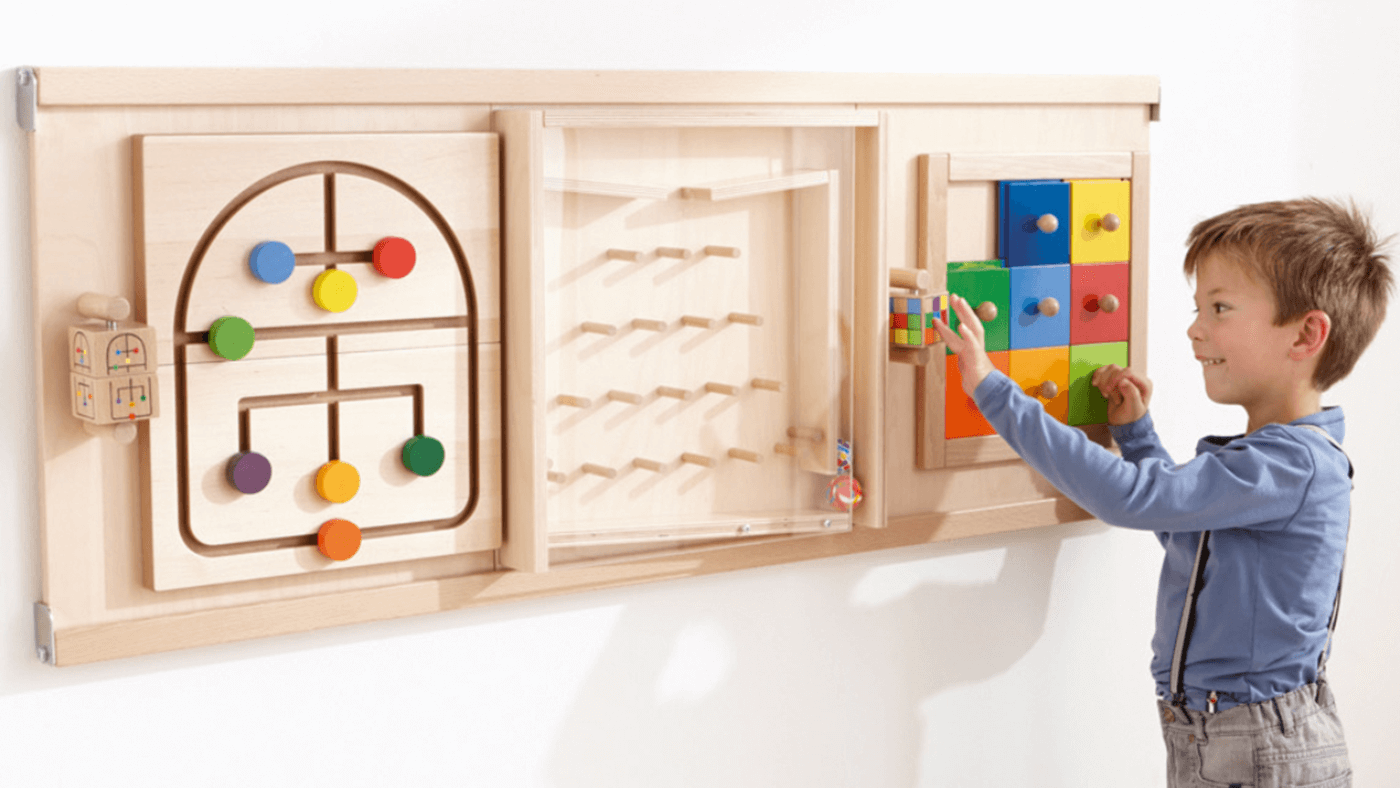
HABA's interchangeable panel system includes specialized elements like gears, closures, color matching activities, rainmaker sounds, and mechanical parts. Each panel targets specific developmental goals while contributing to sensory integration. The system's modularity allows educators to customize learning environments based on individual or group needs.
The guide rail system enables quick panel changes without tools, making it practical for dynamic classroom environments. This professional approach addresses the limitations found in both fixed and magnetic consumer systems, providing institutional durability with educational flexibility.
Choose Fixed for Durability, Modular for Flexibility
The decision between fixed and modular sensory wall toys ultimately depends on specific use cases and priorities. Fixed systems like Melissa & Doug excel in settings where durability, safety, and consistent developmental practice matter most. Their integrated construction provides reliable sensory experiences that withstand intensive use in classrooms and therapy settings.
Modular systems like Fat Brain Toys' PlayTab offer superior flexibility and variety for home use, where storage constraints and maintaining engagement over time drive decision-making. The ability to introduce new challenges prevents habituation and extends play value, though safety considerations require careful supervision.
For professional applications requiring both durability and flexibility, HABA's institutional-grade modular sensory wall system provide the optimal combination of German engineering quality with educational adaptability. These systems justify their higher cost through superior construction, safety features, and developmental programming that serves diverse learning needs.
FAQs
Are Melissa & Doug sensory toys durable and high quality for long-term use?
Melissa & Doug sensory toys are widely recognized for their durability and high quality, primarily due to their solid wooden construction and careful craftsmanship that withstands years of play. Many parents and educators appreciate how these toys hold up well in home and classroom environments, contributing to long-term use and value. However, some users note that certain components such as velcro attachments, small painted parts, or lightweight accessories can wear out or detach more quickly, which may require occasional replacement or repair. Overall, Melissa & Doug toys are considered a reliable investment for sensory development, combining safety, educational value, and sturdy design, though attention to specific toy features is advised to ensure longevity based on intended use.
How durable are Fat Brain sensory toys compared to rivals?
Fat Brain sensory toys are generally considered durable and well-made, using high-quality, non-toxic materials designed to withstand frequent use by toddlers and young children. Their wooden components and sturdy plastic parts hold up well during typical play scenarios, making them competitive with similar brands like Melissa & Doug. However, some users note that specific parts—such as the magnets on modular products like the PlayTab—can be prone to detachment or weakening over time, which requires some care in handling. Compared to rivals, Fat Brain Toys offer a strong balance of durability and interactive design, but they may require occasional maintenance for magnetic or smaller components to ensure longevity. Overall, they stand out for their innovative sensory engagement while maintaining durability comparable to other leading sensory toy brands.
Are HABA sensory toys a better brand than Melissa & Doug or Fat Brain?
HABA sensory toys are often considered a better brand than Melissa & Doug or Fat Brain Toys for sensory play primarily due to their specialized design, high durability, and immersive multi-sensory engagement offered through their comprehensive wall toy systems. HABA toys feature large-scale, interactive sensory panels with a wide variety of tactile, visual, and auditory elements—such as gears, closures, sound makers, and moving parts—that stimulate multiple senses simultaneously, promoting fine motor skills, cognitive development, and problem-solving in a more integrated way. Their products are built with exceptional craftsmanship and robust materials intended for heavy use in schools, therapy centers, and inclusive play environments, often including warranties for added assurance. Unlike Melissa & Doug’s smaller, classic wooden toys or Fat Brain’s modular and portable designs, HABA offers a more immersive and extensive sensory experience tailored for intensive developmental environments, making them ideal for places needing durable, engaging, and therapeutic sensory solutions.