Waiting Room Toys for Dental Anxiety: Calming Toys Keep Kids Happy
Table of Contents
- If your child dreads dental appointments, you're not alone—up to 20% of kids experience genuine dental anxiety. But research reveals that certain types of waiting room toys can measurably reduce fear and transform cooperation, and it's not what most parents expect.
- Up to 20% of Children Experience Dental Visit Anxiety - Interactive Toys Break the Fear Cycle
- Hard Surface Toys Prevent Bacteria While Reducing Anxiety
- Proven Interactive Elements That Calm Anxious Children
- Research Shows Play Distraction Increases Patient Cooperation
- Strategic Placement Creates Positive Dental Associations
- Transform Your Waiting Room Into a Cooperation-Building Space
- FAQs
If your child dreads dental appointments, you're not alone—up to 20% of kids experience genuine dental anxiety. But research reveals that certain types of waiting room toys can measurably reduce fear and transform cooperation, and it's not what most parents expect.
Key Takeaways
- Up to 20% of children experience dental anxiety, but interactive toys in waiting rooms can significantly reduce fear levels and increase cooperation during appointments
- Hard surface toys prevent bacteria buildup while providing calming distraction - soft toys show 90% bacterial contamination in medical settings
- Strategic toy placement and age-appropriate activity zones create positive dental associations that benefit long-term oral health habits
- Research shows play distraction techniques measurably lower anxiety levels in children before dental procedures
Up to 20% of Children Experience Dental Visit Anxiety - Interactive Toys Break the Fear Cycle
Dental anxiety affects approximately 20% of children, creating a challenging cycle where fear leads to avoidance, poor oral health, and eventually more invasive procedures that reinforce negative associations. This statistic represents millions of young patients who experience genuine distress during routine dental care - distress that can persist into adulthood if not addressed early.
Interactive toys strategically placed in dental waiting rooms serve as powerful anxiety-reduction tools that work on multiple levels. They provide immediate distraction from nervous anticipation, create positive associations with the dental environment, and help children develop coping mechanisms for medical situations. Specialized waiting room toys designed for healthcare settings offer the dual benefit of engaging young minds while meeting strict hygiene and safety standards.
The transformation happens before children even reach the dental chair. When kids become absorbed in meaningful play activities, their stress hormones decrease, heart rates normalize, and they enter treatment rooms in a significantly calmer state. This physiological shift directly impacts their ability to cooperate with dental procedures and follow post-treatment care instructions.
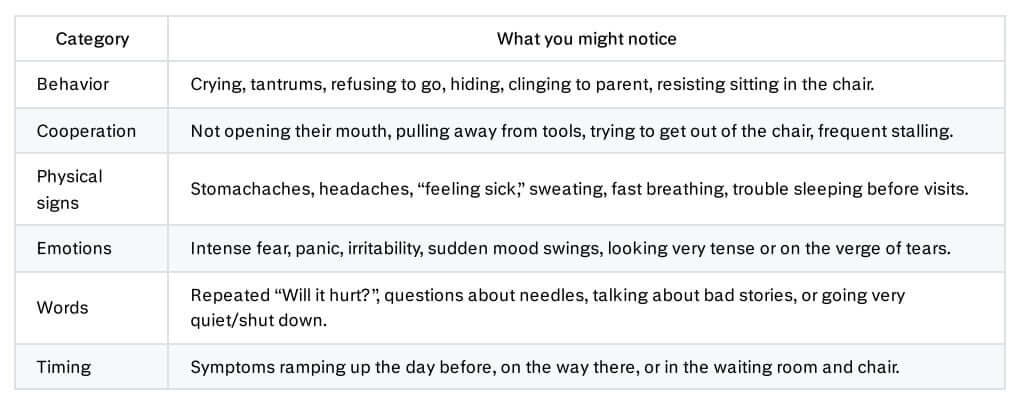
What kids’ dental anxiety looks like:
Hard Surface Toys Prevent Bacteria While Reducing Anxiety
The intersection of hygiene and anxiety relief creates unique challenges in pediatric dental offices. Parents want their children to feel comfortable, but they also demand assurance that toys won't expose kids to harmful germs or infections.
Why Soft Toys Show 90% Bacterial Contamination in Medical Settings
Soft toys present significant hygiene risks in high-traffic medical environments. Studies demonstrate that 90% of soft toys in medical settings show moderate to heavy bacterial contamination, making them significantly more prone to harboring bacteria than hard-surface toys. Fabric surfaces trap moisture, dead skin cells, and respiratory droplets - creating ideal breeding grounds for pathogens.
The porous nature of stuffed animals makes thorough sanitization nearly impossible. Even after cleaning, bacteria can survive deep within fabric fibers and foam padding. While research suggests that bacteria isolated from toys are generally non-pathogenic to children with normal immune function, an appreciable risk of cross-infection exists in clinical settings where immune systems may be compromised.
Easy-Clean Options That Meet Hygiene Standards
Hard surface toys offer superior infection control while maintaining therapeutic benefits for anxious children. Non-porous materials like medical-grade plastics, sealed wood finishes, and powder-coated metals can withstand rigorous disinfection protocols without degrading or harboring microorganisms.
These materials allow for frequent cleaning with hospital-grade disinfectants between each use. Quick-drying surfaces eliminate moisture retention that contributes to bacterial growth. Many hard surface toys also feature antimicrobial coatings that actively inhibit pathogen survival, providing an additional layer of protection for vulnerable patients.
Safety Protocols for High-Traffic Waiting Areas
Effective toy rotation systems ensure consistent hygiene standards without interrupting the calming environment children need. Clean toys should be visibly separated from used items, with clear protocols for staff to follow between patient interactions.
Regular deep cleaning schedules, combined with daily surface disinfection, create multiple safety barriers. Documentation systems help track cleaning frequencies and identify any toys that may need replacement due to wear or damage that could compromise hygiene standards.
Proven Interactive Elements That Calm Anxious Children
Not all toys provide equal anxiety relief benefits. Research identifies specific interactive elements that consistently produce calming effects in pediatric healthcare environments, helping children regulate emotions and maintain focus during stressful situations.
HABA Wall Panels Support Multi-Age Sensory Development
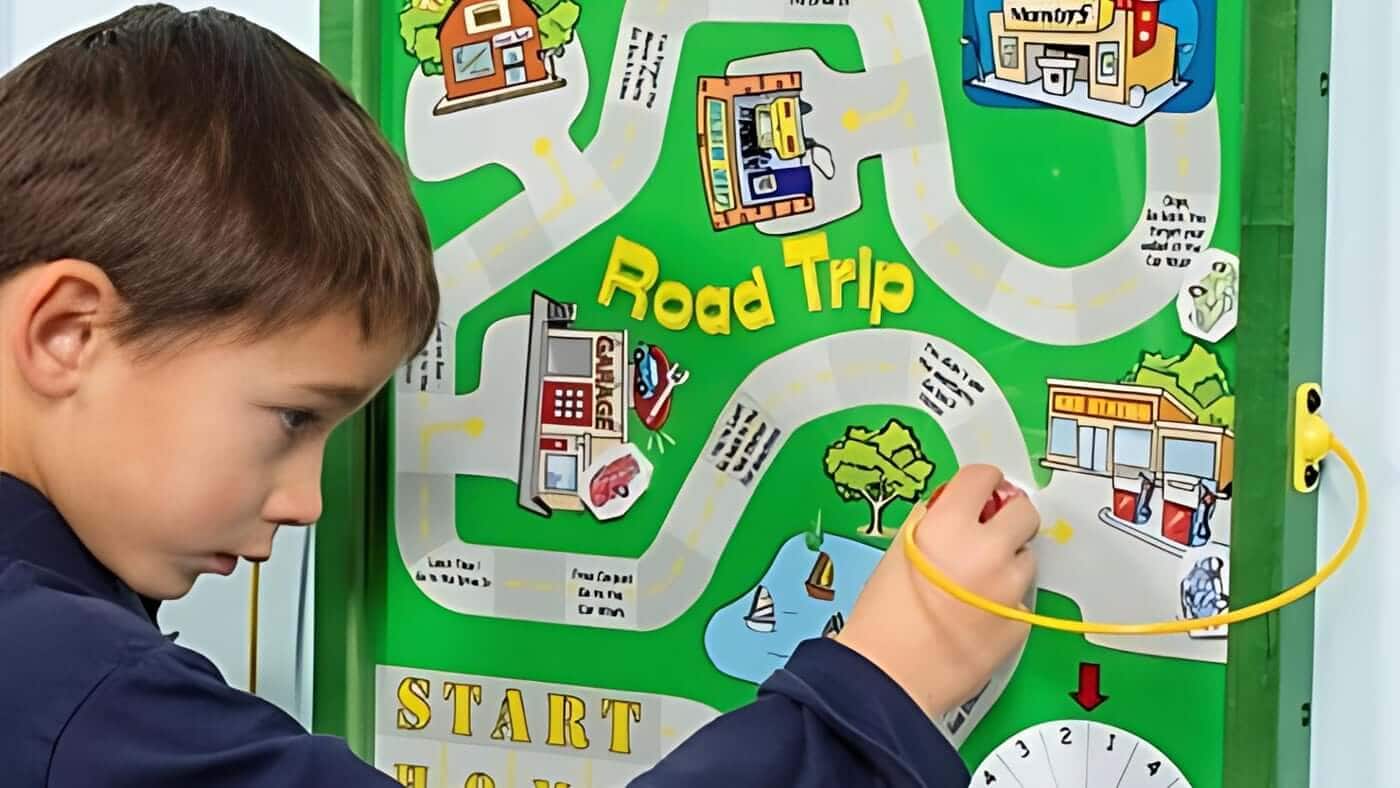
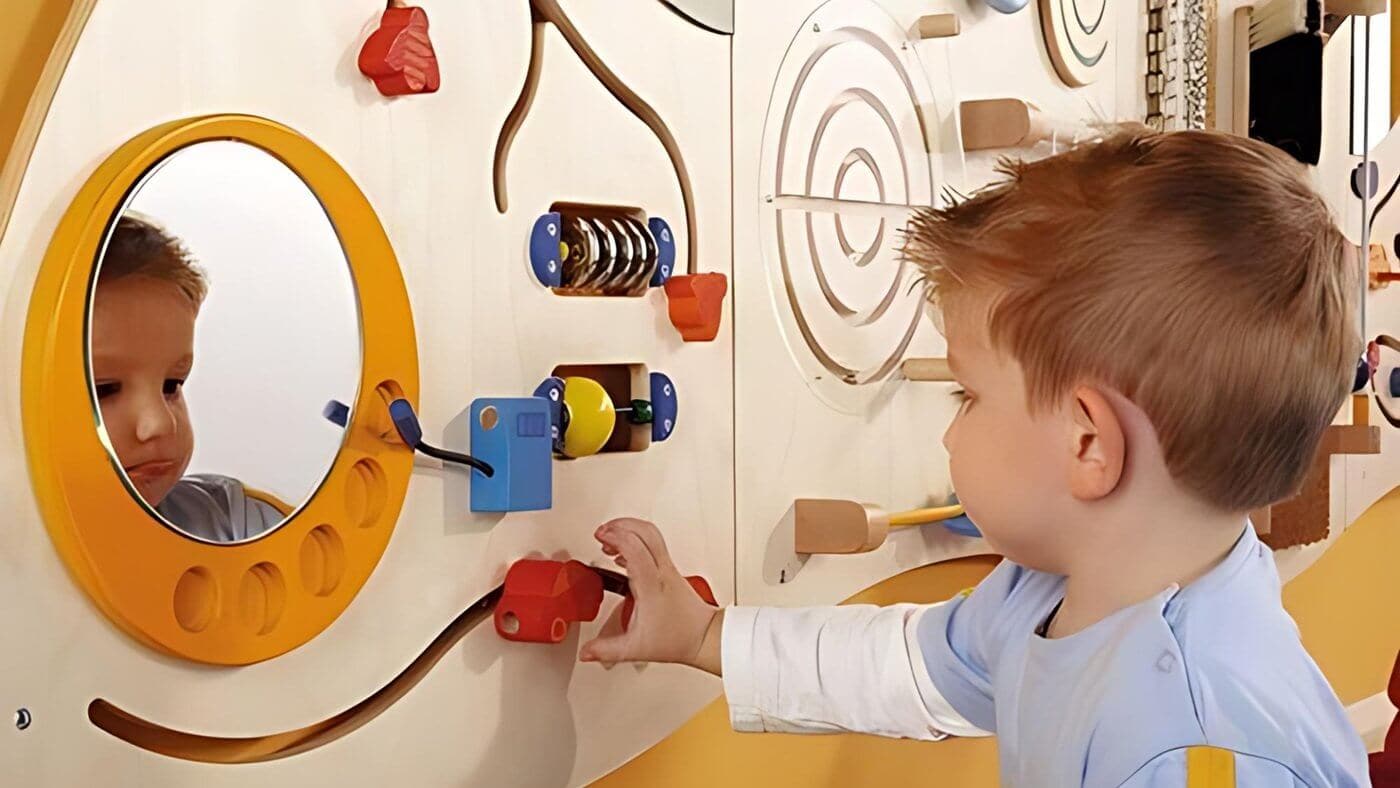
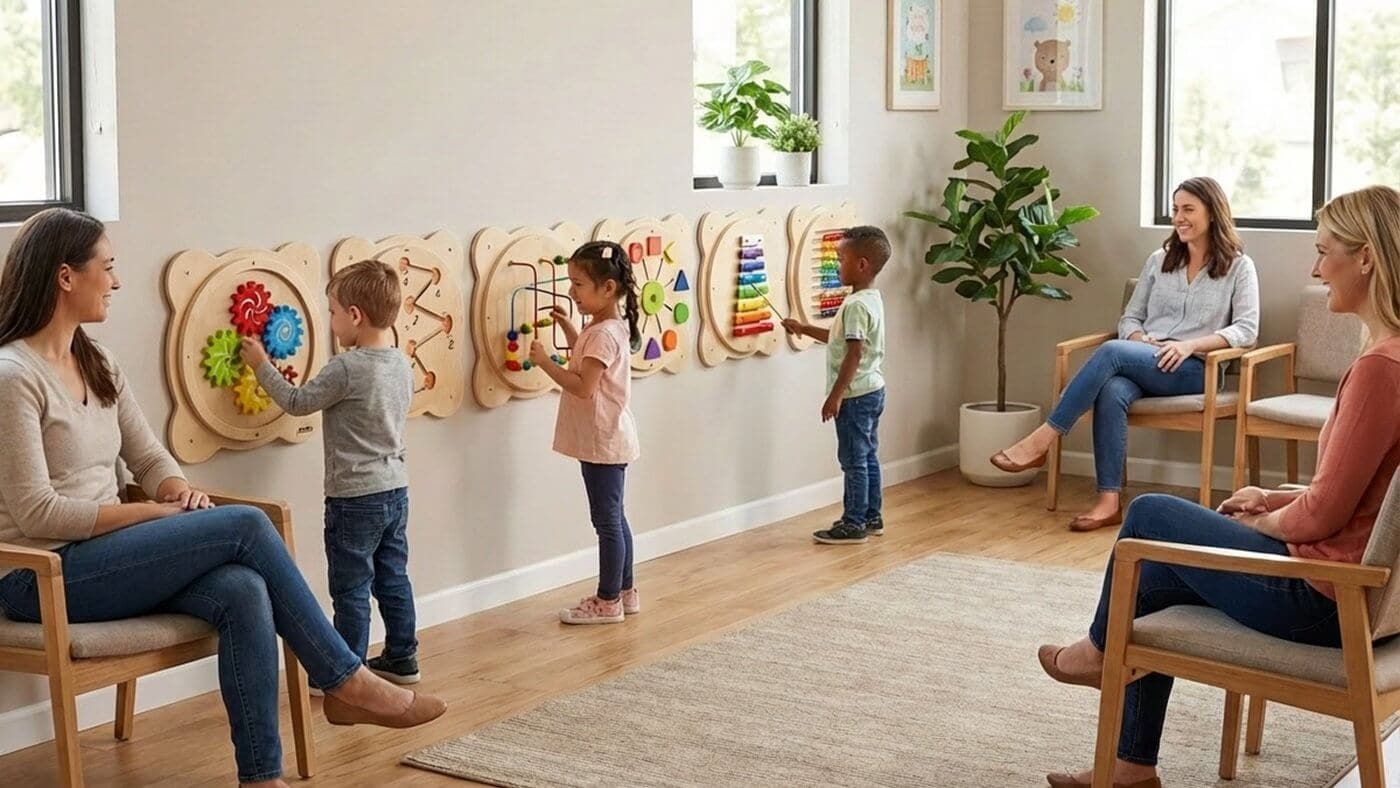
HABA interactive wall panels represent breakthrough technology in pediatric anxiety management, offering sensory-rich experiences that engage children across developmental stages. These wall-mounted systems feature spinning gears, sliding shapes, and textured surfaces that provide tactile stimulation while encouraging fine motor skill development.
The panels' durability and easy-clean design make them ideal for dental waiting rooms where infection control remains paramount. Children can interact with different textures and moving parts at their own pace, creating self-directed play experiences that reduce anticipatory anxiety. The wall-mounted design also maximizes floor space while providing entertainment for multiple children simultaneously.
Adventure Island Activity Cube
$2,579.22
Active Island of Discovery Activity Cube - Sensory Exploration Play Center Inspire curiosity and hands-on learning with the Active Island of Discovery Activity Cube. This… read more
Shop Now!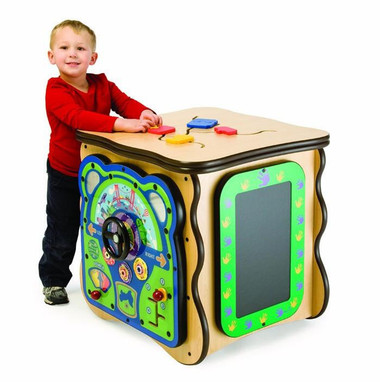
Medical Play Sets Build Familiarity with Dental Tools
Medical-themed play sets help demystify dental procedures by allowing children to role-play as healthcare providers. When kids handle toy stethoscopes, syringes, and dental mirrors, they develop familiarity with medical instruments that reduces fear during actual examinations.
This preparatory play serves as informal exposure therapy, gradually desensitizing children to medical environments through positive, controlled interactions. While play activities generally reduce anxiety and improve cooperation, studies on the specific impact of medical play sets show mixed results, with some indicating positive outcomes and others reporting increased difficulty when real medical equipment is involved.
Bead Mazes and Activity Cubes Develop Focus Skills
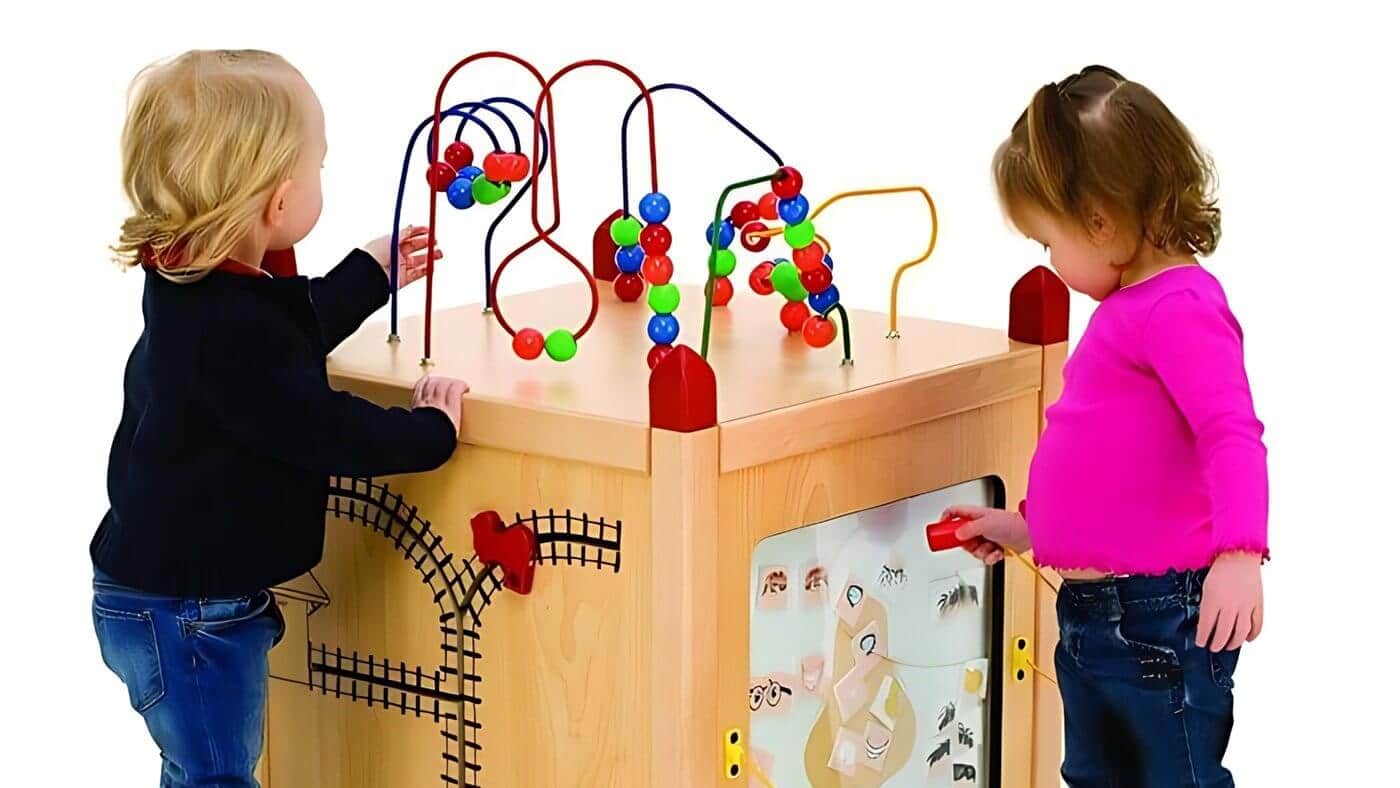
Bead mazes and multi-activity cubes provide structured play experiences that help children develop concentration abilities while managing anxiety. The repetitive motions required to navigate beads through wire paths create meditative effects similar to stress-reduction techniques used in adult therapy.
These activity toys offer immediate feedback and clear objectives, giving anxious children a sense of control and accomplishment. The focused attention required for these activities naturally redirects worried thoughts away from upcoming dental procedures toward engaging, problem-solving tasks.
Research Shows Play Distraction Increases Patient Cooperation
Scientific evidence consistently supports the use of play-based interventions in pediatric healthcare settings, with measurable improvements in patient cooperation and treatment outcomes.
Lower Anxiety Levels Measured in Toy-Engaged Children
Clinical studies demonstrate that children who engage with toys in dental waiting rooms exhibit significantly lower anxiety levels compared to those in traditional, toy-free environments. Heart rate reduction is consistently supported by research, and cortisol reduction is supported in some studies, though research on blood pressure and oxygen saturation shows mixed or no significant changes.
These benefits extend beyond the waiting room experience. Children who begin appointments in relaxed states require less time for procedures, show greater compliance with instructions, and experience fewer behavioral disruptions during treatment. The cumulative effect creates more efficient appointments and improved treatment outcomes.
AAPD Recommends Child-Friendly Environmental Design
The American Academy of Pediatric Dentistry (AAPD) emphasizes creating child-friendly environments as essential components of quality pediatric dental care. Their guidelines specifically recommend incorporating play elements and interactive features that help children develop positive associations with dental visits.
These professional recommendations recognize that environmental factors significantly impact treatment success rates and long-term oral health outcomes. Practices that invest in child-friendly design elements, including appropriate toy selections, report higher patient satisfaction scores and improved appointment completion rates.
Strategic Placement Creates Positive Dental Associations
The location and integration of toys within dental office design plays a crucial role in maximizing their anxiety-reducing benefits while maintaining professional aesthetics.
Themed Integration with Office Design
Successful toy integration requires thoughtful coordination with overall office themes and color schemes. Rather than appearing as afterthoughts, toys should complement the designed environment while serving their therapeutic purposes. Ocean themes might incorporate blue and green activity cubes, while nature-inspired offices could feature wooden bead mazes with forest motifs.
This cohesive approach creates immersive environments that transport children away from dental anxieties toward engaging, story-rich experiences. When toys complement architectural elements, lighting, and decorative choices, they become integral parts of healing environments rather than standalone distractions.
Ocean Magnetic Kids Sand Table
$1,364.82
Ocean Magnetic Sand Table - Sensory Activity Table for Calm Exploration Create a relaxing play space with the Ocean Magnetic Kid's Sand Table. This engaging… read more
Shop Now!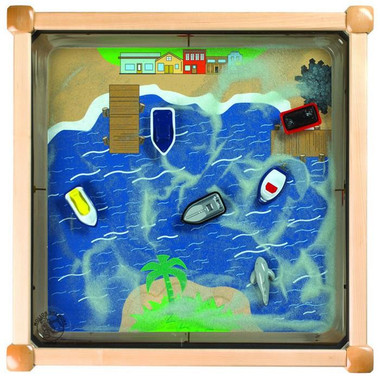
Age-Appropriate Activity Zones
Strategic zoning ensures that toys meet developmental needs across different age groups visiting pediatric dental practices. Toddler-friendly areas might feature larger manipulative toys with rounded edges, while school-age zones could include more complex puzzle and building activities.
Clear sight lines between zones allow parents to supervise while enabling children to find age-appropriate activities independently. This autonomy builds confidence and reduces dependence on parental comfort, helping children develop positive coping strategies for future medical encounters.
Transform Your Waiting Room Into a Cooperation-Building Space
Creating an effective toy-enhanced waiting room requires careful planning that balances entertainment value with practical considerations including space constraints, budget limitations, and maintenance requirements.
Begin with a core selection of proven anxiety-reducing toys: one or two interactive wall panels, a medical play set, and a bead maze or activity cube. This foundation provides diverse engagement options without overwhelming the space or creating maintenance burdens.
Consider traffic flow patterns to ensure toys don't create safety hazards or impede movement through the waiting area. Position interactive elements where they're easily visible from reception desks, allowing staff to monitor usage and identify children who might benefit from gentle encouragement to engage.
Regular evaluation helps optimize toy selections based on actual usage patterns and patient feedback. Track which activities consistently engage children and which items require frequent replacement or generate complaints. This data-driven approach ensures continuous improvement in anxiety-reduction effectiveness.
The investment in quality waiting room toys pays dividends through improved patient cooperation, reduced appointment times, and enhanced reputation within the community. Parents notice and appreciate practices that prioritize their children's emotional wellbeing alongside clinical excellence.
Visit Little People's Cove to find waiting room toys specifically designed to create calming, cooperative environments for young dental patients.
FAQs
What early signs should our team watch for in the waiting room and chair to spot dental anxiety quickly?
In a pediatric office, early dental anxiety often shows as clinginess, hiding behind a parent, refusing to come in, crying, or complaining of sudden stomachaches or headaches. In the back, anxious kids may avoid eye contact, move very slowly, ask “Will it hurt?” repeatedly, sit rigidly in the chair, keep their mouth tightly closed, pull away from instruments, or start breathing fast and looking pale or tearful. When you see a child avoiding, clinging, or becoming tense and emotional as you move toward the clinical area, it’s a strong cue to treat them as anxious and switch to calming strategies right away.
How can we tell the difference between normal nervousness and true dental anxiety or phobia?
Normal nervousness is mild, short‑lived, and doesn’t stop care; true dental anxiety or phobia is intense, persistent, and gets in the way of treatment. A normally nervous child might be a bit quiet or clingy, ask a few extra questions, then cooperate once you explain and distract them. A child with real anxiety or phobia tends to worry for days, complain of stomachaches, try to avoid or cancel visits, and may cry, panic, shut down, or refuse to sit in the chair or open their mouth even with calm reassurance.
Which behavior management techniques (tell‑show‑do, distraction, modeling, rewards, etc.) work best for anxious or neurodivergent children?
For anxious or neurodivergent children, the most helpful behavior strategies are the ones that make the visit predictable, give the child a sense of control, and reward even small steps of cooperation. That often means using tell‑show‑do (explaining in kid‑friendly words, showing on a finger or stuffed animal, then doing it the same way), pairing it with lots of specific praise and small rewards so the child starts to associate the dentist with success instead of failure. Distraction tools such as ceiling TVs, headphones, fidget toys, bubbles, or simple games help shift their focus away from the procedure, while modeling (watching a calm sibling or a doll “go first”) lets them see what will happen and copy it. Offering simple choices (flavor, TV show, whether to start counting teeth or brushing first) plus a clear stop‑signal gives them a sense of control, which is especially important for kids who already feel overwhelmed. For neurodivergent children, visual schedules, social stories, predictable routines, and sensory adjustments (softer lighting, sunglasses, reduced noise, careful use of water and suction) can make the environment feel safer and more manageable, often reducing the need for medication‑based approaches.