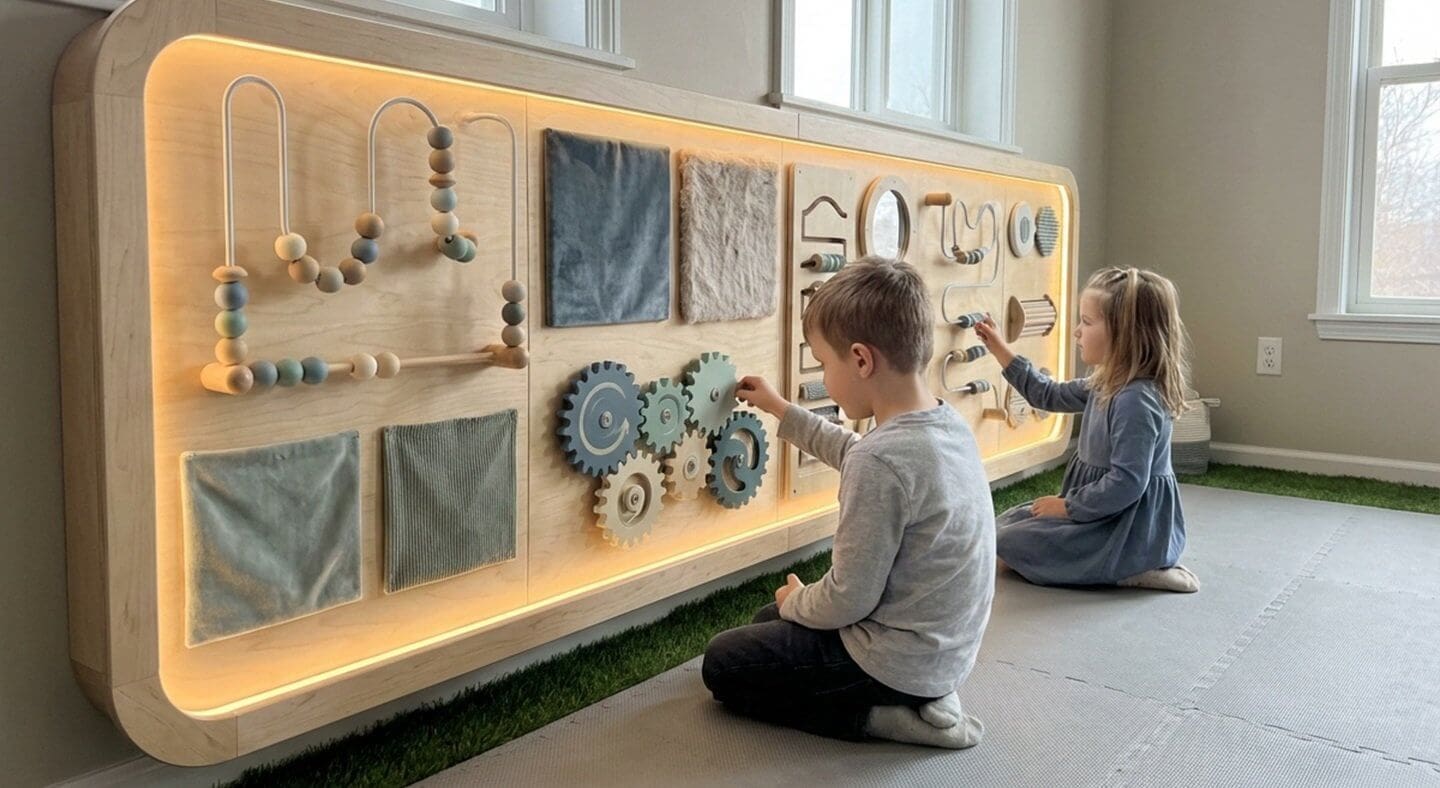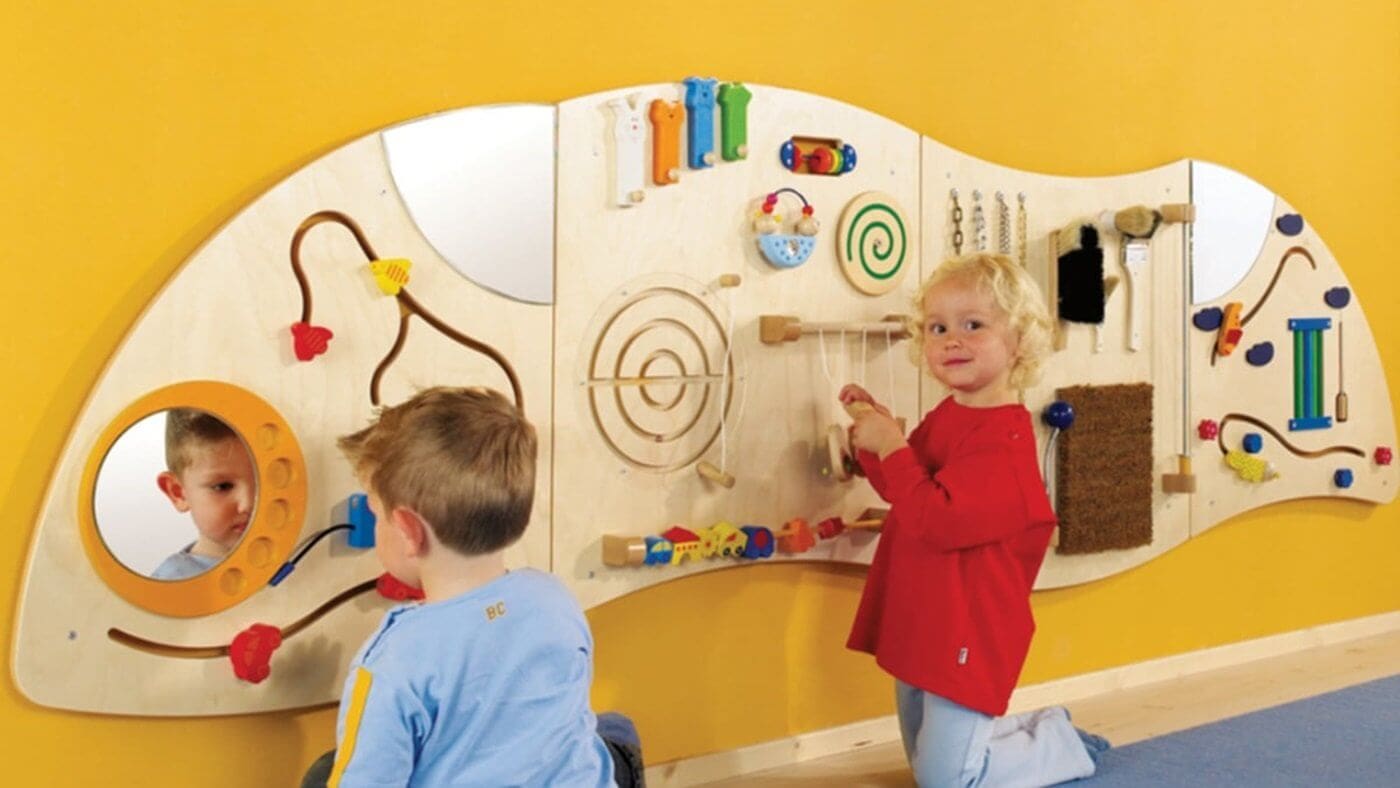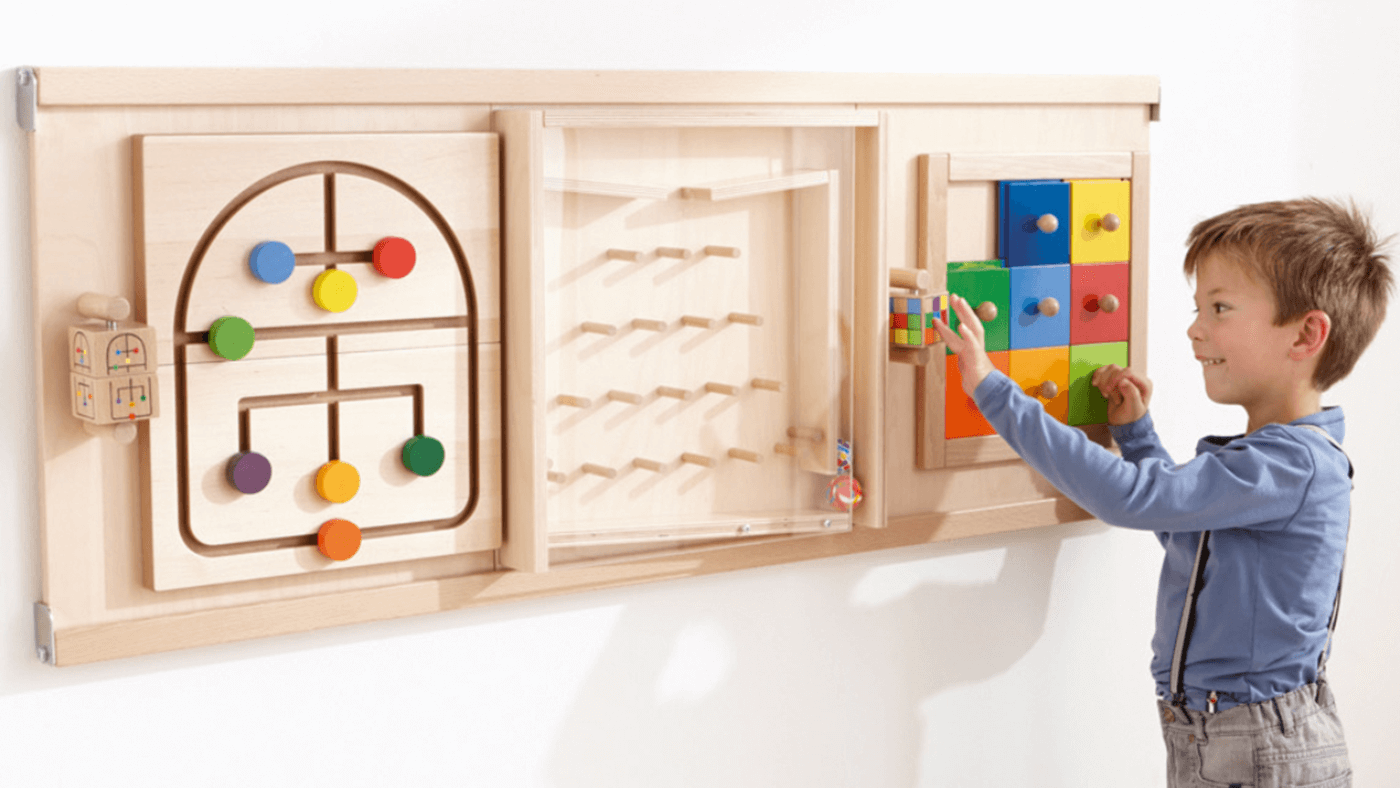
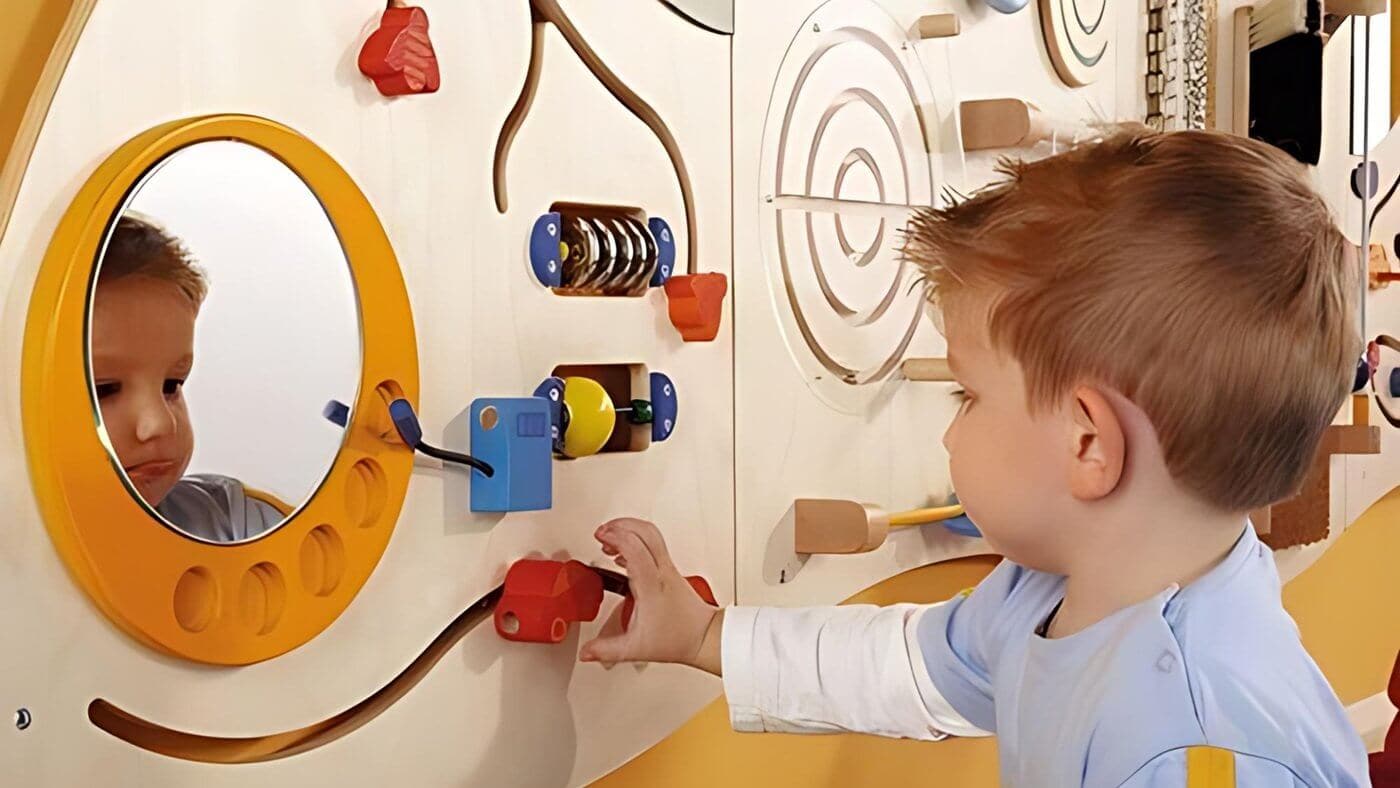
Clinical-Grade Sensory Wall Panels for Pediatric Therapy
Table of Contents
- Most pediatric therapy centers unknowingly install consumer-grade sensory boards that fail within months under clinical conditions—cracking under rigorous use, harboring bacteria after disinfection, and actually increasing overstimulation. Here's what pediatric facilities need instead to meet medical-grade durability standards.
- Key Takeaways
- Why Standard Busy Boards Fail in Pediatric Therapy Centers
- Construction Requirements for High-Traffic Therapy Environments
- Therapeutic Benefits That Justify Investment
- Verified Clinic-Grade Brands for Therapy Centers
- Implementation Guidelines for Therapy Centers
- Choose Panels Built for Clinical Use, Not Consumer Alternatives
- FAQs
Most pediatric therapy centers unknowingly install consumer-grade sensory boards that fail within months under clinical conditions—cracking under rigorous use, harboring bacteria after disinfection, and actually increasing overstimulation. Here's what pediatric facilities need instead to meet medical-grade durability standards.
Key Takeaways
- Clinical-grade sensory wall panels require robust construction with non-porous materials, smooth edges, and secure mounting systems to withstand high-traffic therapeutic environments
- Therapy centers must prioritize panels that support specific OT goals like sensory integration, fine motor development, and emotional regulation over decorative consumer alternatives
- Professional brands like HABA Pro offer modular systems designed specifically for medical facility compliance and rigorous daily use
- Strategic placement and OT-guided selection ensure sensory wall panels integrate effectively into treatment plans rather than serving as unstructured play elements
Pediatric therapy centers face unique challenges when selecting sensory wall panels that can withstand constant use while maintaining safety and therapeutic value. Unlike consumer-grade busy boards designed for occasional home use, clinical environments demand equipment built to rigorous durability standards that support evidence-based treatment goals.
Why Standard Busy Boards Fail in Pediatric Therapy Centers
Consumer-grade sensory boards typically feature lightweight materials, decorative finishes, and entertainment-focused activities that quickly deteriorate under clinical conditions. These products often use particle board or thin plywood construction with colorful paint finishes that chip, crack, or harbor bacteria after repeated disinfection cycles. The lightweight mounting systems designed for occasional home use cannot withstand the vigorous interaction patterns common in therapy environments.
More critically, standard busy boards lack the structured sensory input required for therapeutic applications. Children with autism, ADHD, and sensory processing differences need predictable, repeatable sensory experiences that support specific treatment objectives. Entertainment-focused panels with random activities can actually increase overstimulation and reduce therapeutic effectiveness in clinical settings.
Clinical environments also expose equipment to aggressive cleaning protocols using hospital-grade disinfectants multiple times daily. Consumer products with porous materials, unsealed edges, or complex crevices become hygiene liabilities that compromise patient safety and facility compliance standards.
HABA® Sensory Wall Panel - Closures Panel
$205.62
HABA Sensory Wall Closures Panel - Fine Motor Skills for Practical Life Learning HABA Sensory Wall Closures Panel helps children learn real-life skills through play.… read more
Shop Now!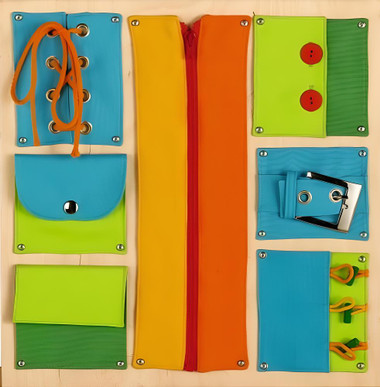
Construction Requirements for High-Traffic Therapy Environments
1. Materials That Withstand Rigorous Use and Frequent Disinfection
Therapy-grade sensory panels often feature solid hardwood construction, such as beech or birch, or high-quality, durable birch veneer, with non-toxic, water-based finishes that resist repeated disinfection. The materials must be non-porous to prevent bacterial growth and sealed to withstand daily cleaning with hospital-grade disinfectants. High-quality panels prioritize durable construction, which can include thick, solid wood or high-grade veneer materials that are sealed to prevent delamination and withstand moisture exposure.
All interactive elements must be permanently attached using industrial-grade hardware that eliminates loose parts or choking hazards. To ensure safety during vigorous use, metal components should ideally feature corrosion-resistant coatings, and all fasteners should be recessed to prevent injury. HABA Pro sensory wall systems exemplify these construction standards with modular panels designed specifically for high-traffic institutional environments.
2. Safety Features for Secure Therapy Environments
Clinical sensory panels should incorporate features like smooth surfaces and robust, secure mounting systems to prevent injury, even during aggressive interaction. Designs should prioritize safety, minimizing pinch points and sharp edges. All corners should feature generous radius curves, and surface transitions must be smooth to prevent cuts or scrapes. Interactive elements require safety testing that exceeds consumer product standards, with particular attention to potential hazards and mechanical failure modes.
The design must also consider the specific behavioral patterns of children with developmental differences, including repetitive motions, aggressive manipulation, and sensory-seeking behaviors that can exceed typical use parameters. Safety features should be built into the fundamental design rather than added as afterthoughts.
3. Professional Installation for Medical Facility Compliance
Therapy centers require professional installation using wall-anchoring systems rated for dynamic loads that exceed static weight calculations. Children with sensory processing differences often apply unexpected forces through climbing, hanging, or repetitive impact that can stress mounting systems beyond normal parameters. Professional installers understand medical facility requirements including accessibility standards, emergency egress considerations, and infection control protocols.
Installation must also accommodate future reconfiguration as therapy programs change, requiring modular mounting systems that allow panel repositioning without wall damage. Many facilities benefit from consultation during the planning phase to optimize placement for traffic flow, supervision lines, and integration with existing therapy equipment.
Therapeutic Benefits That Justify Investment
Sensory Integration and Self-Regulation
Clinical-grade sensory wall panels provide controlled tactile, visual, and auditory input that helps children with autism, ADHD, and sensory processing differences develop self-regulation skills. The predictable sensory experiences allow children to learn cause-and-effect relationships while practicing emotional control in a structured environment. Structured sensory wall interactions, when integrated into treatment plans, are designed to help children develop self-regulation skills and can contribute to reducing anxiety, repetitive behaviors, and meltdowns.
The key difference from consumer alternatives lies in the consistency and reliability of sensory input. Therapy-grade panels maintain the same tactile feedback, visual response, and auditory output session after session, allowing children to build confidence and develop coping strategies that transfer to other environments.
Fine Motor Development and Executive Function
Professional sensory panels target specific developmental goals through carefully designed interactive elements. Sliding mechanisms, rotating gears, and manipulative puzzles strengthen finger muscles while improving bilateral coordination and other motor skills. These activities directly support the development of fine motor skills needed for everyday tasks and practical life skills.
Executive function development is supported through activities that encourage problem-solving and cognitive skills. The structured nature of therapy-grade panels can encourage social interaction and contribute to the development of communication skills, as children engage with the activities and potentially with peers or therapists during group sessions.
HABA® Sensory Wall Panel - Acrylic Gears
$509.22
HABA Acrylic Gears Sensory Wall Panel - STEM Play for Cause-and-Effect Learning HABA Acrylic Gears Sensory Wall Panel brings hands-on fun to any play space.… read more
Shop Now!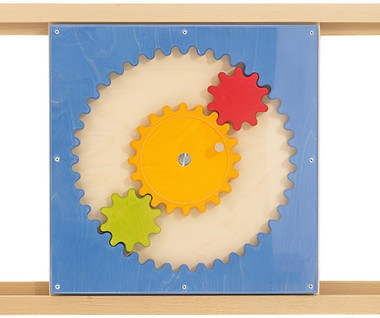
Verified Clinic-Grade Brands for Therapy Centers
HABA Pro: Modular Systems for OT Applications
HABA Pro offers modular sensory learning wall panels specifically engineered for schools and therapy environments. Their systems feature interchangeable panels that allow occupational therapists to customize sensory experiences based on individual treatment goals and caseload changes. The modular approach provides long-term value as facilities can expand, reconfigure, or upgrade individual components without replacing entire installations.
HABA Pro panels utilize solid beech wood construction with non-toxic finishes designed for institutional use. Their mounting systems accommodate professional installation requirements while maintaining the flexibility needed for therapy program evolution. The clean, non-distracting aesthetics support therapeutic focus while providing the durability required for constant clinical use.
Additional verified clinic-grade manufacturers include TFH, Enabling Devices, and specialized therapy equipment distributors who understand medical facility requirements. These manufacturers offer products specifically tested for clinical environments with documentation supporting safety certifications and durability claims.
Implementation Guidelines for Therapy Centers
OT-Guided Selection and Goal Mapping
Successful sensory wall implementation requires collaboration between facility administrators and occupational therapy staff to map specific panels to treatment objectives. Each panel should serve defined therapeutic purposes such as pre-writing warmup, tactile exploration for sensory seekers, or calming regulation between activities. This goal-mapping process ensures panels integrate into evidence-based treatment protocols rather than serving as unstructured play elements.
Occupational therapists should evaluate potential panels based on their current caseload characteristics, treatment methodologies, and long-term program goals. The selection process should prioritize panels that support multiple therapeutic objectives while maintaining simplicity of use for both therapists and support staff.
Strategic Placement in Treatment Areas
Panel placement significantly impacts therapeutic effectiveness and facility operations. Clustering related panels along corridors near therapy rooms creates "regulation walls" that therapists can incorporate into session transitions. This arrangement allows for structured sensory breaks that improve focus and reduce behavioral challenges during subsequent treatment activities.
Placement must also consider supervision requirements, traffic flow patterns, and emergency egress while ensuring panels remain accessible for children with mobility differences. The goal is creating therapeutic opportunities that support treatment effectiveness without disrupting facility operations or compromising safety protocols.
Sensory Wall Panel Set - 6 Matching Sensory Panels
$292.56
Sensory Wall Panel Set - Sensory Wall Panels For Interactive Learning Sensory Wall Panel Set - 6 Round Sensory Toys creates a full wall of… read more
Shop Now!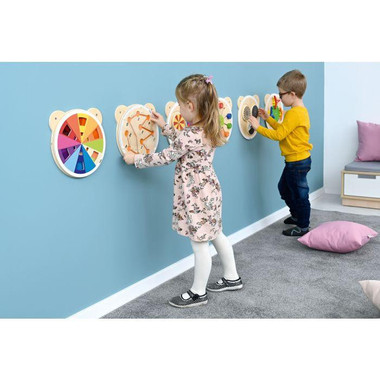
Choose Panels Built for Clinical Use, Not Consumer Alternatives
The investment in clinical-grade sensory wall panels pays dividends through improved therapeutic outcomes, reduced replacement costs, and improved safety compliance. Therapy centers that choose consumer alternatives often discover these products cannot withstand clinical demands, leading to frequent replacements, safety incidents, and frustrated therapeutic goals.
Top Sensory Wall Panel Options for Pediatric Therapy Centers
| Product | Best For | Key Features |
| The Forest Wall Activity Panel | Nature-inspired calming | Tactile forest elements, durable build for professional care, encourages hand-eye coordination. |
| Kidworx Wall Play System | Active exploration | Spinning gears, balls, bells, and puzzles; provides visual, tactile, and auditory feedback. |
| Giant LED Light Peg Board | Visual stimulation | Visual stimulation |
| HABA Pro Sensory Wall Panels | Large spaces & clinics | Extra-large (300x70cm) with calming sensory activities; supports sensory processing. |
| Multi-Sensory Hexagon Wall Panels | Customizable therapy | Swappable panels (Infinity Mirror, Spinners, Marble Motion, Spinfinity, Gyro Rings) to prevent sensory fatigue. |
Clinical-grade panels represent necessary therapeutic equipment rather than facility amenities. When selected and implemented properly, they become integral tools that support evidence-based treatment while providing years of reliable service in demanding therapeutic environments. The key lies in understanding that true therapeutic value requires purpose-built equipment designed specifically for clinical applications.
Therapy centers seeking to implement sensory wall systems should prioritize manufacturers with documented clinical experience and products engineered for medical facility requirements. This approach ensures sensory walls support therapeutic programming while meeting the durability and safety standards required for professional healthcare environments.
Little People's Cove specializes in providing therapy-grade sensory equipment designed to meet the rigorous demands of clinical environments.
FAQs
Do these sensory wall panels support specific therapeutic goals, or are they just entertaining?
Sensory wall panels can definitely support specific therapeutic goals rather than being just entertaining, as long as they are selected and used intentionally within therapy plans. When panels include elements like mazes, gears, sliders, and varied textures, they can target fine-motor skills, bilateral coordination, visual-motor integration, and tactile discrimination, all of which underlie functional tasks like handwriting and dressing. They also provide structured sensory input (tactile, visual, sometimes auditory) that can help children with autism, ADHD, and sensory processing differences self-regulate, transition between activities, and reduce anxiety or dysregulated behaviors. To move beyond “just fun,” therapists tie each panel to clear goals (for example, pre-writing warm-up, calming sensory break, or practicing requests and turn-taking) and build short, predictable “sensory wall breaks” into routines, so the same engaging hardware is consistently used to practice specific skills and regulation strategies rather than random play.
How do I make sure I select wall panels that are goal-driven?
o select goal-driven sensory wall panels, first collaborate with your OTs to map specific therapy objectives—like fine-motor strengthening (gears/sliders), tactile regulation (varied textures), visual-motor tracking (mazes), or bilateral coordination (midline-crossing elements)—then prioritize modular panels from a brand like HABA that explicitly target those skills. Check vendor specs for age/ability matching, non-porous wipeable materials, and secure mounting rated for clinic use, avoiding flashy or unstructured "busy boards" that prioritize entertainment over progression. Test panels against your caseload's common diagnoses (e.g., autism needs calming predictability, motor delays need graded reaches) and integrate them into written sensory diets with clear usage protocols for measurable outcomes.
How do these sensory wall panels fit different ages, abilities, and diagnoses in a therapy setting?
Sensory wall panels fit different ages and abilities by adjusting height, complexity, and sensory input. For toddlers, low-mounted, simple cause-and-effect pieces build basic fine-motor and curiosity, while school-age kids use more complex mazes and small-manipulation tasks for visual-motor and coordination work. Autistic and sensory-seeking children benefit from predictable tactile and visual input for calming, and kids with motor delays gain from panels placed to encourage accessible reaches, weight shifts, and crossing midline as part of individualized therapy plans.
Nature-inspired calming