How Sensory Wall Panels Support Self-Regulation in Special Needs Students
Table of Contents
- If your special needs student struggles with meltdowns during transitions or can't focus after recess, the problem might not be behavioral—it could be sensory. Research reveals why giving students control over specific sensory input changes everything about their ability to learn.
- Key Takeaways
- Research Shows Wall Panels Reduce Anxiety and Improve Focus
- Why Control Over Sensory Input Makes the Difference
- Autism-Specific Benefits Transform Learning Outcomes
- ADHD Students Find Focus Through Structured Sensory Breaks
- Motor Skills and Processing Improvements
- Implementation Strategies for Success
- Evidence Points to Measurable Classroom Improvements
- FAQs
If your special needs student struggles with meltdowns during transitions or can't focus after recess, the problem might not be behavioral—it could be sensory. Research reveals why giving students control over specific sensory input changes everything about their ability to learn.
Key Takeaways
- Interactive sensory wall panels reduce anxiety and stereotypical behaviors in students with autism, ADHD, and sensory processing differences by providing controlled sensory input
- Student control over sensory stimuli is crucial - research shows that empowering children to choose their sensory experience leads to better self-regulation outcomes
- Structured sensory breaks using wall panels improve classroom focus and help students transition more smoothly between activities
- Collaboration with occupational therapists ensures wall panel activities align with individual sensory profiles and IEP goals for maximum therapeutic benefit
- Measurable improvements in communication and motor skills occur when panels are integrated thoughtfully into daily classroom routines
Special needs students face daily challenges with sensory processing that can derail their learning, trigger meltdowns, and create barriers to classroom participation. Interactive sensory wall panels are emerging as a powerful solution, transforming how educators and therapists support students with autism, ADHD, and sensory processing differences.
Research Shows Wall Panels Reduce Anxiety and Improve Focus
Multi-sensory environments, including interactive wall panels, significantly reduce anxiety and self-stimulatory behaviors in children with autism spectrum disorder. Research indicates that when students can control sensory equipment, attention increases and repetitive behaviors decrease, creating better conditions for learning.
Case studies from special education classrooms demonstrate that incorporating sensory wall breaks into daily routines helps students transition between activities more smoothly while reducing disruptive behaviors. The predictable nature of these tools provides a safe outlet for sensory seeking behaviors like touching, fidgeting, and visual stimulation that might otherwise manifest as classroom disruptions.
Studies consistently show that access to controlled sensory regulation tools leads to decreased frequency and intensity of meltdowns or shutdowns in autistic children. Sensory wall panels from Little People's Cove exemplify this approach, offering interactive elements designed specifically for therapeutic sensory engagement in educational settings.
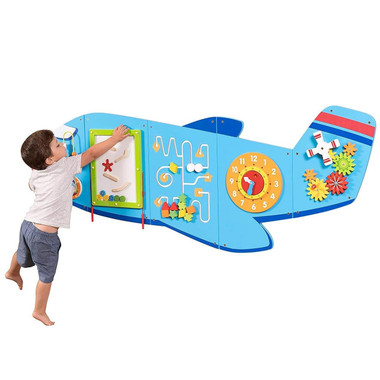
Airplane 6-Activity Sensory Wall Panel
$189.00
Airplane 6-Activity Sensory Wall Panel - Sensory Play for Fine Motor Skills Bring fun learning to the wall with the Airplane 6-Activity Sensory Wall Panel....… read more
Shop Now!Why Control Over Sensory Input Makes the Difference
The ability for students to control their sensory input on interactive panels is crucial for positive outcomes. This empowerment helps children develop a sense of agency over their sensory experiences, which research identifies as a key factor in successful sensory regulation.
1. Student Choice Empowers Self-Regulation
When students can choose which panel activities to engage with, adjust intensity levels, or stop input entirely, they develop critical self-advocacy skills. This control transforms what could be overwhelming sensory experiences into therapeutic opportunities. Students learn to recognize their sensory needs and make appropriate choices to meet them, building independence that extends beyond the sensory wall.
The cause-and-effect features found in quality wall panels - such as pressing buttons to activate lights or sounds - support cognitive development and early problem-solving skills. These interactions create natural opportunities for students to practice decision-making while experiencing immediate feedback from their choices.
2. Predictable Elements Create Safety
Interactive wall panels provide consistent, repeatable sensory experiences that many special needs students crave. Unlike unpredictable environmental stimuli that can trigger anxiety, wall panels offer the same tactile textures, visual patterns, and auditory feedback each time they're used.
This predictability is especially valuable for autistic students who thrive on routine and consistency. When they know they can access specific sensory input at designated times, overall anxiety decreases and classroom participation improves. The reliability of these tools helps students feel secure in their learning environment.
Autism-Specific Benefits Transform Learning Outcomes
Interactive sensory walls provide targeted support for the unique sensory processing challenges faced by students with autism spectrum disorder. These tools address core areas of difficulty while building on strengths that many autistic learners possess.
1. Studies Link Sensory Control to Reduced Stereotypical Behaviors
Research demonstrates that when autistic students have access to controlled sensory input through wall panels, they show significant reductions in repetitive behaviors like hand-flapping, rocking, or pacing. These behaviors often serve as self-regulation attempts, but they can interfere with learning and social participation.
Wall panels offering tactile, visual, and auditory input give students a more socially appropriate outlet for their sensory needs. Instead of engaging in disruptive self-stimulatory behaviors, students can seek the sensory input they need through structured interactions with the wall elements.
2. Focused Sensory Input Supports Smoother Transitions
Transitions between activities are particularly challenging for autistic students, often resulting in meltdowns or shutdowns. Strategic use of sensory wall panels as "regulation stops" helps students reset after difficult transitions or challenging tasks.
Schools report that embedding sensory wall activities into daily routines - before group work, after recess, or during activity transitions - supports emotional balance and reduces the frequency of behavioral incidents. This proactive approach addresses sensory needs before they become overwhelming.
3. Better Communication Opportunities
Effective sensory regulation supports emotional regulation, which in turn makes communication more available for autistic students. Wall panel activities create natural opportunities for students to practice requesting ("more," "stop," specific textures), commenting on their experiences, and sharing enjoyment with peers or adults.
The interactive nature of quality wall panels encourages choice-making and preference expression, fundamental communication skills that many autistic students need to develop. These structured interactions provide a safe context for communication practice without the social pressures of typical peer interactions.
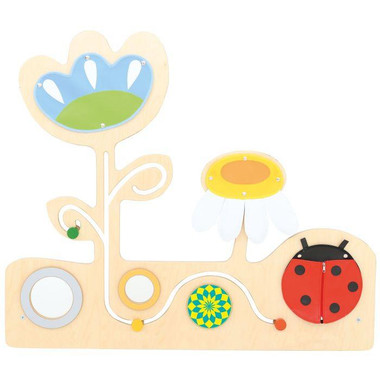
Meadow with Ladybug Sensory Wall Panel
$663.78
Meadow with Ladybug Sensory Wall Panel - Tactile Learning for Fine Motor Skills The Meadow with Ladybug Sensory Wall Panel brings a bright garden theme...… read more
Shop Now!ADHD Students Find Focus Through Structured Sensory Breaks
Students with ADHD benefit significantly from brief, structured engagement with sensory wall panels. These tools provide a necessary outlet for excess energy and sensory seeking behaviors that, when unaddressed, interfere with academic focus and classroom participation.
Research supports the use of sensory breaks for ADHD students, showing that controlled physical movement and tactile input help reset attention systems. Wall panels that incorporate elements requiring reaching, pressing, and manipulation satisfy the movement needs common in ADHD while maintaining structure and boundaries.
The key for ADHD students lies in timing and duration. Short, purposeful interactions with wall panels (often a few minutes in duration) allow students to satisfy their sensory seeking needs and return to academic tasks with improved attention and reduced fidgeting behaviors.
Motor Skills and Processing Improvements
Interactive sensory wall panels provide valuable opportunities for motor skill development and sensory processing practice, particularly when used under the guidance of occupational therapy professionals.
1. Fine Motor Development Through Panel Activities
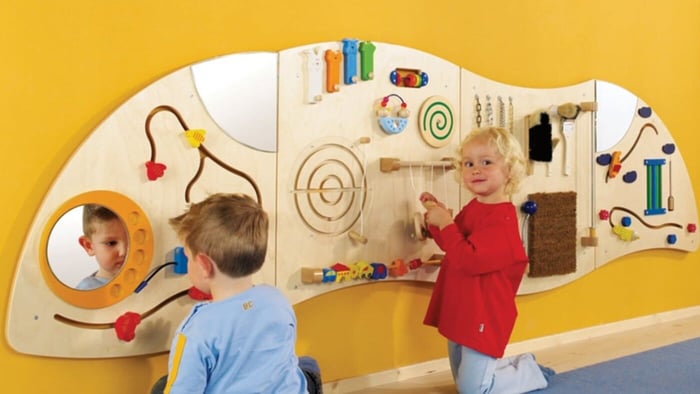
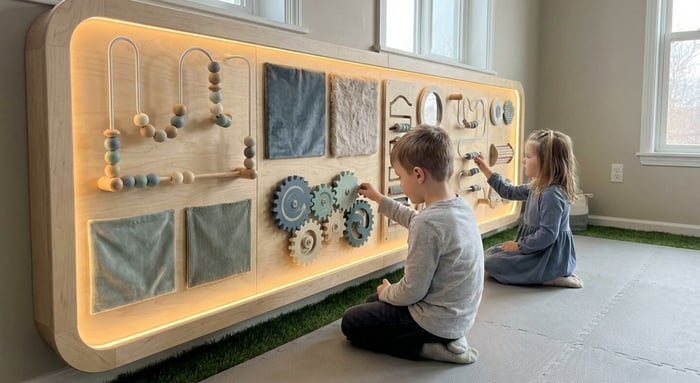
Sensory Wall Panels that involve turning gears, tracing mazes, pressing buttons, and manipulating various textures support fine motor skills, hand strength, and eye-hand coordination. These activities are particularly beneficial for students with developmental delays who need structured practice with precise hand movements.
The vertical orientation of wall panels naturally encourages proper wrist positioning and bilateral coordination as students reach across their bodies to access different elements. This positioning supports handwriting readiness and other academic skills requiring fine motor control.
2. Sensory Integration Practice
Interactive walls provide structured tactile, visual, and auditory input that helps the brain practice organizing sensory information - a key challenge for many students with autism and sensory processing disorder. The controlled nature of wall panel input allows for graduated exposure to different sensory experiences.
Reaching, stretching, and crossing midline to access different wall elements supports gross motor planning and body awareness. These movements help students develop spatial awareness and motor planning skills needed for classroom navigation and participation in physical activities.
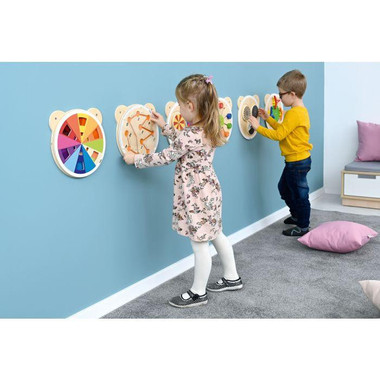
Sensory Wall Panel Set - 6 Matching Sensory Panels
$292.56
Sensory Wall Panel Set - Sensory Wall Panels For Interactive Learning Sensory Wall Panel Set - 6 Round Sensory Toys creates a full wall of...… read more
Shop Now!Implementation Strategies for Success
Successful integration of interactive sensory wall panels requires thoughtful planning and professional collaboration to maximize therapeutic benefits for special needs students.
1. Collaborate with Occupational Therapists
Occupational therapists play a vital role in matching specific wall features to individual student needs. They can identify which types of sensory input - deep pressure, vibration, lights, sounds - align with each student's sensory profile and IEP goals.
Written sensory diets developed by OTs specify when and how long students should use wall panels for maximum benefit. For example, a student might need 3-5 minutes of tactile input before literacy instruction to achieve optimal focus and participation.
2. Build Into Daily Routines
The most effective sensory wall implementations integrate panel use into predictable daily schedules. Students benefit from knowing they will have consistent access to sensory regulation tools, reducing anxiety about when their sensory needs will be met.
Successful schools designate specific times for wall panel use: transition periods, before challenging academic tasks, or as part of arrival and departure routines. This structured approach prevents sensory walls from becoming distractions while ensuring students receive needed sensory input.
3. Monitor Student Engagement for Therapeutic Progress
Data collection is needed for determining the effectiveness of sensory wall interventions. Educators and therapists should track which elements students seek out, how long they engage, and behavioral changes before and after wall panel use.
These observations inform IEP updates and environmental adjustments, ensuring that sensory supports evolve with student needs. Regular assessment helps teams identify which wall panel features are most beneficial and adjust usage patterns accordingly.
Evidence Points to Measurable Classroom Improvements
Schools implementing interactive sensory wall panels report concrete improvements in student behavior, academic engagement, and overall classroom climate. These tools support inclusive education principles by providing multiple ways for students to participate and engage without singling anyone out.
Teachers observe increased time on task, improved transition behaviors, and reduced frequency of behavioral incidents when sensory wall panels are thoughtfully integrated into classroom environments. Students demonstrate better emotional regulation, increased willingness to participate in group activities, and improved social interactions with peers.
The inclusive nature of sensory walls benefits all students, not just those with identified special needs. Typical learners also engage with these tools during free time, creating opportunities for peer interactions and reducing stigma around sensory support needs.
Most significantly, students who use sensory wall panels consistently show improvements in self-advocacy skills, learning to recognize and communicate their sensory needs more effectively. This independence extends beyond the classroom, supporting students' long-term success in various environments.
Little People's Cove provides specialized sensory solutions for educational environments, helping schools create inclusive spaces where all students can thrive through thoughtful sensory design and therapeutic tools.
FAQs
Will a sensory wall panels actually improve focus and behavior?
Sensory wall panels can improve focus and behavior when it is used as a structured regulation tool rather than a free-play activity; brief, planned sensory breaks (about 2–5 minutes) that match a student’s sensory profile can reduce anxiety, smooth transitions, and help autistic and sensory‑sensitive students return to tasks calmer and more attentive, which many schools report as fewer meltdowns and better participation.
How do I prevent sensory wall panels from becoming a distraction or “toy”?
To keep a sensory wall panels from becoming a distraction or “toy,” teachers treat it like any other support tool by setting clear rules (who can use it, when, and for how long), modeling expected behaviors, using visual schedules or passes, limiting the number of students at a time, and embedding access into routines and plans (such as IEP/504 sensory breaks or transition rituals) so visits to the wall are predictable, purposeful regulation opportunities rather than an escape from work.
How do I integrate sensory wall panels into an inclusive classroom plan?
Sensory wall panels fit best in an inclusive classroom when they are placed in shared regulation spaces (like a calm corner or hallway sensory zone), presented as a resource for all students, and designed in collaboration with occupational therapists or special educators, who help select age‑appropriate features, match textures and activities to sensory needs, and connect wall use to IEP goals and schoolwide SEL practices so that autistic and sensory‑sensitive students are supported without being singled out.