

Turn cluttered book collections into inviting reading spaces with our book storage for kids. Explore classroom bookshelves, children's book displays, and mobile book organizers designed for preschools, daycares, schools, and libraries. Keep favorite stories visible, organized, and accessible while encouraging independent book selection and a lifelong love of reading.
Products List
-

 - 11%Made in USAQuick Ship- 11%Made in USAQuick Ship
Mega Mobile Single Storage Unit on Casters
$707.54$790.78Mega Mobile Single Storage Unit - Rolling Classroom Organizer Keep classroom supplies organized and easy to move with the Mega Mobile Single Storage Unit on Casters! Made in the USA from sturdy... -

 - 11%Made in USA- 11%Made in USA
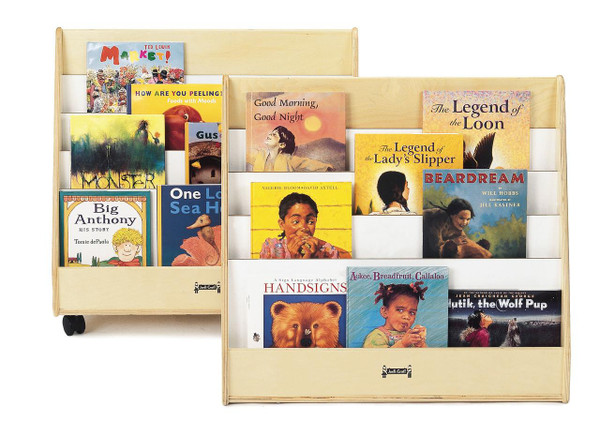
1 Sided Mobile Book Browser - Pick-a-Book Stand
$401.71$448.97The 1 Sided Mobile Pick-a-Book Stand by Jonti Craft features four shelves on the front side of the book case and either display space or storage on the rear side. It also has casters for easy... -
 - 11%Made in USA- 11%Made in USA
1 Sided Pick a Book Stand Flush Back
$368.73$412.11The 1 Sided Pick a Book Stand Flush Back by Jonti-Craft features a fully rounded top, five display shelves, and it stores flush against walls. The shelves are approximately 1" deep and there is no... -
 - 11%Made in USA- 11%Made in USA
1 Sided Pick-a-Book Stand
$379.10$423.701-Sided Pick-a-Book Stand - Classroom Book Display Make storytime more engaging with the 1-Sided Pick-a-Book Stand! This classroom book display features four front-facing shelves that keep... -
 - 11%Made in USA- 11%Made in USA
1 Sided Small Pick-a-Book Stand
$325.72$364.04Transform your little one’s reading corner with the delightful 1 Sided Small Pick-a-Book Stand by Jonti-Craft. Designed perfectly for preschoolers, this charming book stand brings a world of... -
 - 10%Made in USA- 10%Made in USA
ABC/123 Kinderbox Book Browser
$545.10$604.35ABC/123 Kinderbox Book Browser - Child-Height Book & Toy Storage Bin Bright, inviting, and built for busy learning environments, the ABC/123 Kinderbox Book Browser makes organizing books and... -

 - 8%Made in USA- 8%Made in USA
Acrylic Back Storage Cabinet 24"H
$449.00$489.00Acrylic Back Storage Cabinet 24"H - Toddler Storage with Clear Visibility Keep your space open and easy to manage with the Acrylic Back Storage Cabinet 24" H. This toddler classroom storage cabinet... -

 - 14%Made in USA- 14%Made in USA
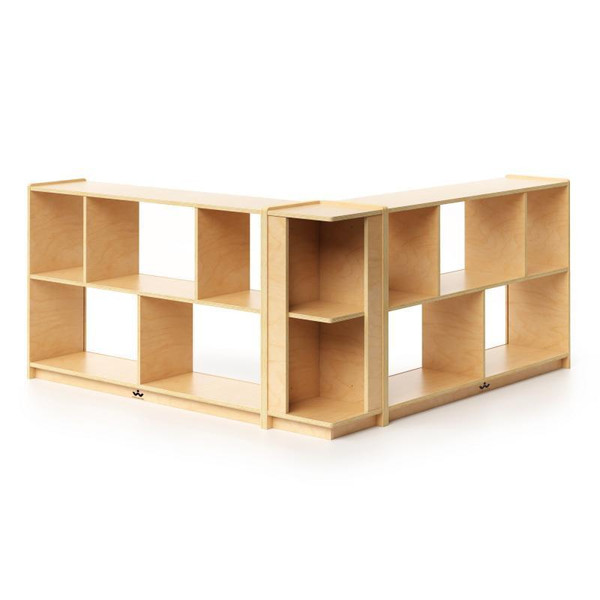
Acrylic Back Storage Cabinet 30"H
$509.00$589.00Acrylic Back Storage Cabinet 30"H - Preschool Storage with Clear Visibility Keep your classroom neat and open with the Acrylic Back Storage Cabinet 30"H. This clear back classroom storage cabinet... -
 - 17%Made in USA- 17%Made in USA
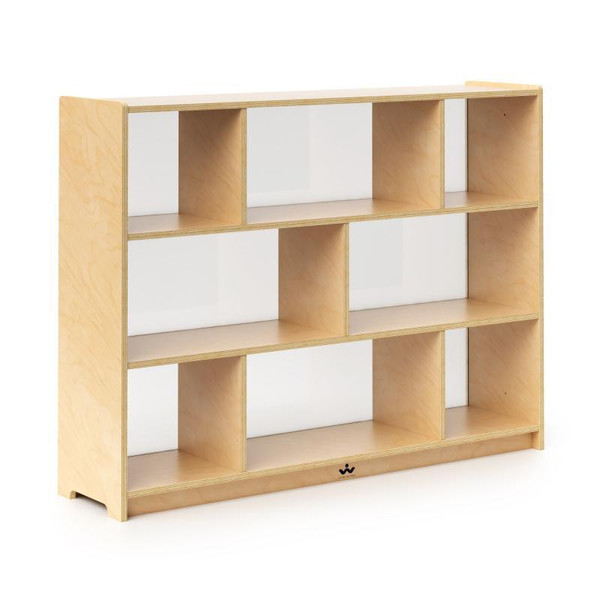
Acrylic Back Storage Cabinet 36"H
$539.00$649.00Acrylic Back Storage Cabinet 36"H - Classroom Divider Storage Solution Keep your space open and organized with the Acrylic Back Storage Cabinet 36" H. This clear back classroom storage cabinet helps... -
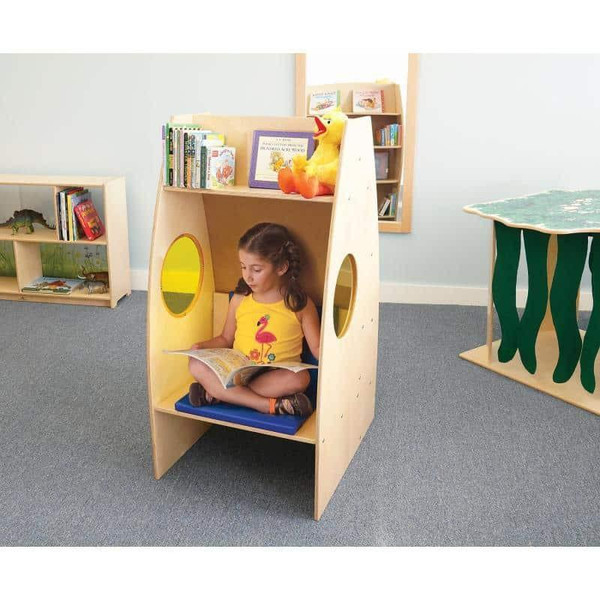
 - 11%Made in USA- 11%Made in USA
Alone Zone Reading Pod with Built-in Bookcase
$649.00$729.00Alone Zone Reading Pod - Quiet Reading Nook for Calm Spaces Give children a peaceful place to relax with the Alone Zone Reading Pod. This kids quiet space reading chair creates a cozy spot for... -
 - 10%Made in USA- 10%Made in USA
Animal Families Kinderbox Book & Media Browser Bin
$545.10$604.35Animal Families Kinderbox Browser Bin - Child-Accessible Book & Toy Storage Make organization fun, inviting, and easy with the Animal Families Kinderbox Browser Bin, a colorful and child-friendly... -

 - 11%Made in USA- 11%Made in USA
Arched Playstand
$860.31$964.59Arched Playstand - Dramatic Play Center for Imaginative Learning Bring creative play to life with the Arched Playstand. This open-ended dramatic play stand gives children a fun space to pretend,... -
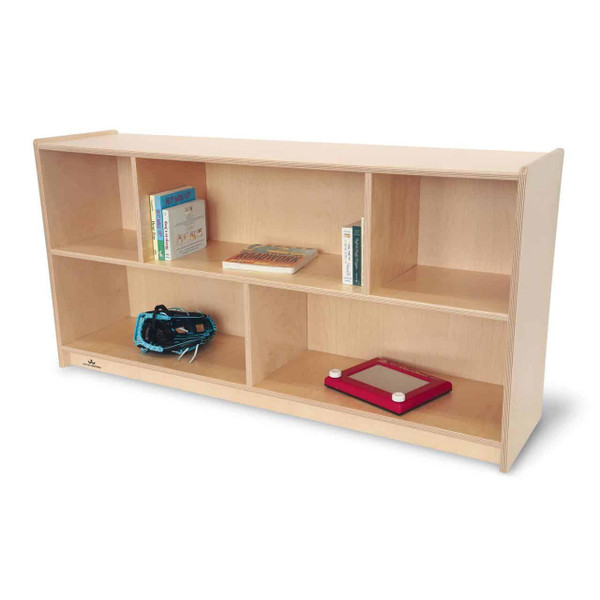
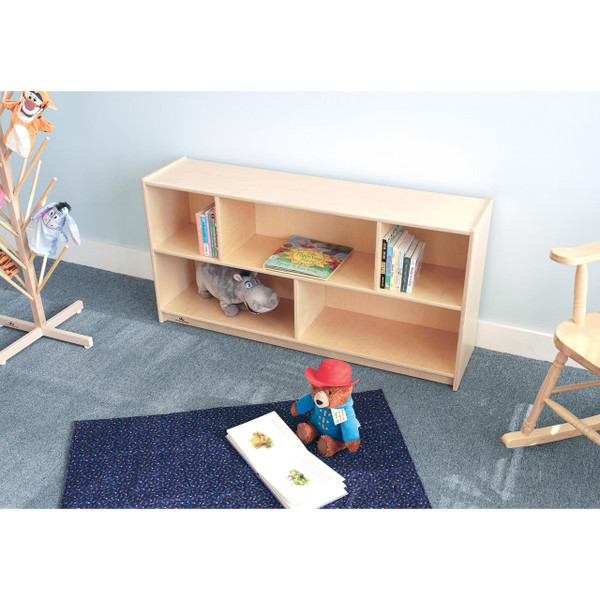 - 17%Made in USA- 17%Made in USA
Basic Single Storage Shelf Cabinet 24H
$332.67$399.21Basic Single Storage Shelf Cabinet - Toddler Height Classroom Storage Organizer The Basic Single Storage Shelf Cabinet provides easy-to-reach storage designed specifically for younger learners. This... -

 - 11%Made in USA- 11%Made in USA
Basic Single Storage Shelf Cabinet 30H
$393.33$440.52Basic Single Storage Shelf Cabinet - Classroom Storage Cabinet for Organized Learning Spaces The Basic Single Storage Shelf Cabinet offers simple, durable storage for classrooms, daycares, and early... -

 - 11%Made in USA- 11%Made in USA
Basic Single Storage Shelf Cabinet 36H
$443.88$497.15Basic Single Storage Shelf Cabinet - Classroom Storage Cabinet with Open Shelving The Basic Single Storage Shelf Cabinet provides generous storage space for books, toys, learning materials, and... -

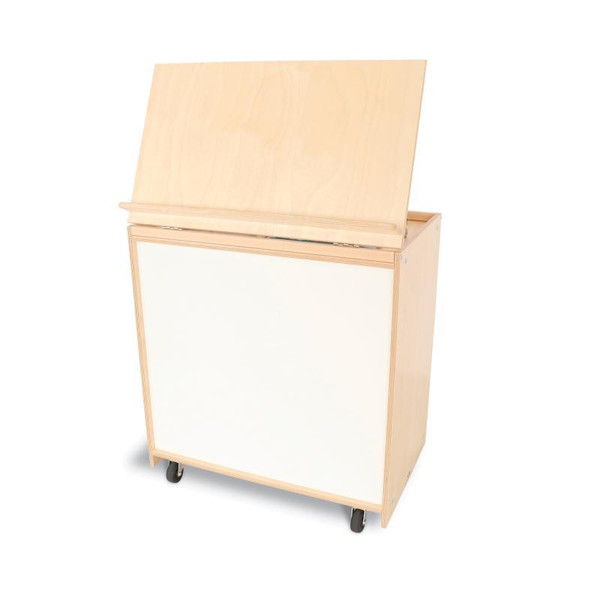 - 7%Made in USA- 7%Made in USA
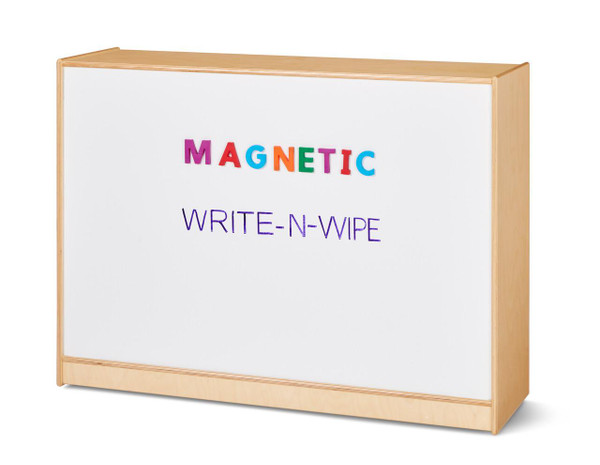
Big Book Display With Write & Wipe Back
$399.00$429.68Big Book Display with Marker Board - Mobile Classroom Book Storage Make story time and circle time more engaging with the Big Book Display with Marker Board! This versatile classroom cabinet... -
 - 11%Made in USA- 11%Made in USA
Big Book Pick-A-Book Stand
$370.77$414.39Big Book Pick-A-Book Stand - Classroom Book Display Make classroom storytime more engaging with the Big Book Pick-A-Book Stand! This oversized book display stand features four shelves designed for... -
 - 10%- 10%
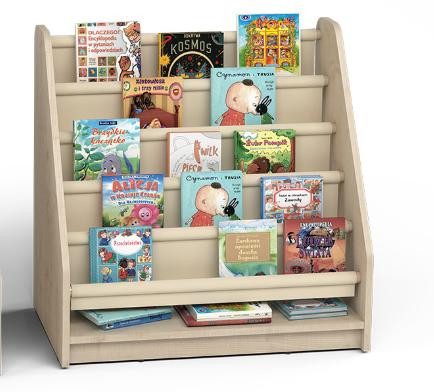
Bookcase w/Fabric Partitions
$281.52$312.12Bookcase with Fabric Partitions - Flexible Storage for Easy Organization Keep spaces neat with the Bookcase with Fabric Partitions. This smart classroom bookcase helps store books, toys, and... -

 - 10%- 10%
Bookcase with White Sides
$271.86$301.41Bookcase with White Sides - Display Storage for Organized Learning Keep books and supplies neat with the Bookcase with White Sides. This clean classroom bookcase offers both display shelves and... -

 - 3%10yr Warranty- 3%10yr Warranty
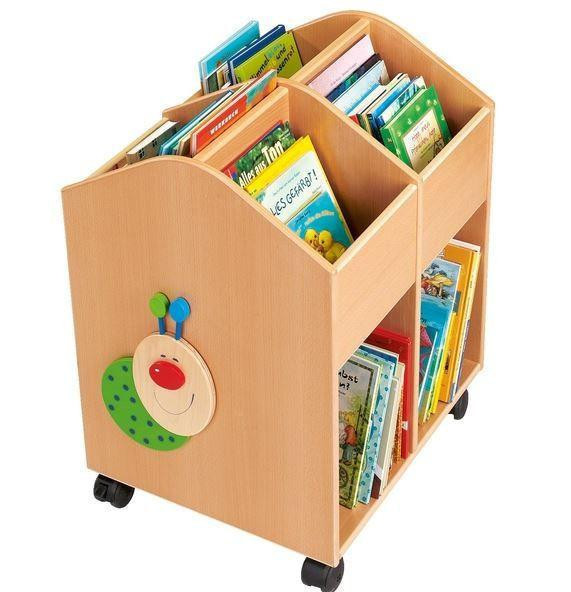
Bookworm Interactive Wall Decor
$165.60$169.86Bookworm Wall Decor - Bookworm Wall Accent for Classroom Reading Spaces Add a playful touch to reading areas with the Bookworm Wall Decor. This cheerful bookworm wall accent brings color and...
Benefits of Book Storage for Classrooms & Libraries
Book storage for kids helps transform classrooms, libraries, and reading corners into organized spaces where children can discover books independently. From front-facing displays to traditional shelving and mobile organizers, the right classroom book storage makes reading materials easier to browse, maintain, and rotate.
For preschools, daycares, elementary schools, and children's libraries, thoughtfully arranged books encourage everyday reading opportunities without overwhelming valuable learning space.
Why Choose Classroom Book Storage?
-
Book Visibility: Makes reading choices easier to discover.
-
Independent Selection: Encourages children to browse confidently.
-
Literacy Engagement: Creates inviting reading environments.
-
Space Efficiency: Organizes collections within available space.
-
Classroom Flexibility: Supports changing reading activities.
-
Book Care: Helps maintain orderly collections.
Encourage Early Literacy Through Accessible Books
Children are more likely to explore books when they can see and reach appropriate titles. Preschool book storage placed at child-friendly heights allows young readers to browse independently and make their own selections.
Front-facing displays are especially useful for emerging readers who recognize book covers before they can read titles on book spines.
Organize Books by Reading Level & Subject
A well-organized collection helps educators introduce new topics and manage classroom reading materials.
Consider grouping books by subject, theme, reading level, or classroom activity. Clearly labeled sections make it easier for children to return books to their designated places.
Design Comfortable Classroom Reading Corners
Combine book storage with child-sized seating, classroom carpets, and appropriate lighting to create welcoming literacy areas.
Position shelves and displays so children can browse without blocking walkways. In shared spaces, consider supervision visibility and how book storage fits alongside other classroom furniture.
Choose the Right Book Storage Configuration
Different reading environments benefit from different storage arrangements.
Children's book displays emphasize visible covers and easy browsing. Traditional bookshelves accommodate larger collections, while mobile book carts help educators transport materials between classrooms or activity areas.
Consider collection size, available floor space, and how frequently books need to move.
Selecting Commercial Book Storage Furniture
When purchasing commercial classroom book storage, review shelf dimensions, construction materials, cleaning requirements, and manufacturer installation instructions.
Consider stability, accessibility, book sizes, and the number of children using the area. For mobile units, evaluate caster features and movement controls.
Choose furniture suited to your facility's daily use and available space.
Explore More Book Storage Solutions
Browse Book Displays for front-facing reading selections and Book Carts for flexible mobile storage. Explore our complete Kids Furniture collection for complementary classroom furnishings.
Frequently Asked Questions About Book Storage
What is the difference between a book display and a bookshelf?
Book displays typically position covers facing outward to help children recognize and choose titles. Traditional bookshelves often store books spine-out and are useful for organizing larger collections.
How should preschool classrooms organize children's books?
Group books into manageable categories such as animals, seasons, letters, or favorite stories. Keep age-appropriate selections accessible and rotate titles periodically to maintain interest.
What should schools consider when purchasing book storage?
Evaluate available space, children's ages, book dimensions, storage capacity, furniture stability, and cleaning requirements. Review manufacturer specifications and installation guidance before purchasing.