
Create a special place for stories with our reading nook furniture and cozy classroom reading nooks. Explore children's reading hideaways, book nooks with storage, and inviting literacy centers for preschools, daycares, schools, libraries, and pediatric waiting rooms. Give young readers a welcoming space to explore books, enjoy quiet activities, and build independent reading habits.
Products List
-

 - 12%Made in USA- 12%Made in USA
Whitney Plus Porthole Playhouse Cube
$1,849.00$2,099.00Whitney Plus Porthole Playhouse Cube - Quiet Reading Nook for Imaginative Play Turn any space into a cozy retreat with the Whitney Plus Porthole Playhouse Cube. This quiet reading nook gives... -

 - 11%Made in USA- 11%Made in USA
Alone Zone Reading Pod with Built-in Bookcase
$649.00$729.00Alone Zone Reading Pod - Quiet Reading Nook for Calm Spaces Give children a peaceful place to relax with the Alone Zone Reading Pod. This kids quiet space reading chair creates a cozy spot for... -

 - 4%Made in USA- 4%Made in USA
Nature Reading Haven with Floor Mat Set
$1,299.00$1,359.00Nature Reading Haven with Floor Mat - Quiet Reading Nook for Calm Spaces Create a peaceful retreat with the Nature Reading Haven with Floor Mat. This quiet reading nook gives children a soft, cozy... -

 - 5%Made in USA- 5%Made in USA
Nature View Reading Retreat Set
$599.00$629.00Nature View Reading Retreat Set - Quiet Reading Nook for Calm Spaces Create a peaceful hideaway with the Nature View Reading Retreat Set. This quiet reading nook gives children a cozy space to relax... -

 - 7%Made in USA- 7%Made in USA
Nature View Toddler Reading Retreat Set
$549.00$589.00Nature View Toddler Reading Retreat - Quiet Reading Nook for Calm Toddler Spaces Create a cozy calm zone with the Nature View Toddler Reading Retreat. This toddler quiet space gives little ones a... -

 - 5%Made in USA- 5%Made in USA
Woodland Hollow Soft Reading Nook
$1,039.50$1,097.25Children's Factory Woodland Hollow Soft Reading Nook - Cozy Gathering Seating for Early Learning Spaces Create a peaceful retreat where children can read, talk, and relax with the Children's Factory... -

 - 9%Made in USA- 9%Made in USA
Nature View Toddler Reading Retreat
$499.00$549.00Nature View Toddler Reading Retreat - Quiet Reading Nook for Calm Toddler Spaces Create a peaceful hideaway with the Nature View Toddler Reading Retreat. This toddler quiet space gives little ones a... -
 - 12%- 12%
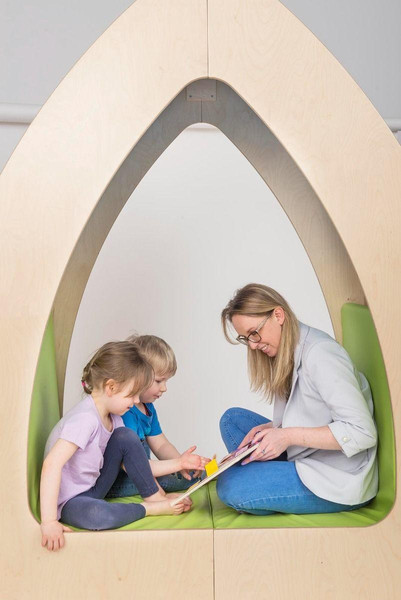
Reading Oasis Library with Shelves
$2,392.92$2,732.58Reading Oasis Library Nook - Cozy Reading Space for Quiet Learning Create a calm place to read with the Reading Oasis Library with Shelves. This inviting reading nook gives kids a quiet space to sit... -
 - 5%Made in USA- 5%Made in USA
Soft Cozy Corner Play Yard
$767.25$809.88Soft Cozy Corner Play Yard - Foam Seating & Play Nook for Infants and Toddlers Create a calming, welcoming space for rest, play, and connection with the Soft Cozy Corner Play Yard, a thoughtfully... -

 - 5%Made in USA- 5%Made in USA
Children's Playhouse Cube
$389.00$409.00Playhouse Cube - Quiet Reading Nook for Calm Play Spaces Create a cozy retreat with the Play House Cube. This quiet reading nook gives children a safe space to relax, read, or play. Its simple... -

 - 8%Made in USA- 8%Made in USA
Comfy Reading Center Couch
$589.00$638.52Reading Couch with Storage - Kids Seating for Reading Spaces Create a cozy spot with the Reading Couch with Storage. This kids reading couch with book storage gives children a soft place to sit and... -

 - 8%Made in USA- 8%Made in USA
Five Section Reading Nook with built-in Bookshelves
$1,889.00$2,050.97Five Section Reading Nook - Modular Seating for Group Reading Create a cozy group space with the Five Section Reading Nook. This modular classroom reading seating gives children a soft place to sit,... -

 - 14%Made in USA- 14%Made in USA
Nature View Window Seat
$899.00$1,050.98Nature View Window Seat - Cozy Reading Nook with Storage Create a calm retreat with the Nature View Window Seat. This kids quiet reading nook with storage gives children a cozy place to sit, read,... -

 - 10%Made in USA- 10%Made in USA
Toddler Playhouse Cube with Floor Mat Set
$449.00$499.00Toddler Playhouse Cube with Floor Mat - Quiet Reading Nook for Calm Toddler Spaces Create a cozy retreat with the Toddler Play House Cube with Floor Mat. This toddler quiet space gives little ones a... -

 - 6%Made in USA- 6%Made in USA
Acrylic Top Playhouse Cube
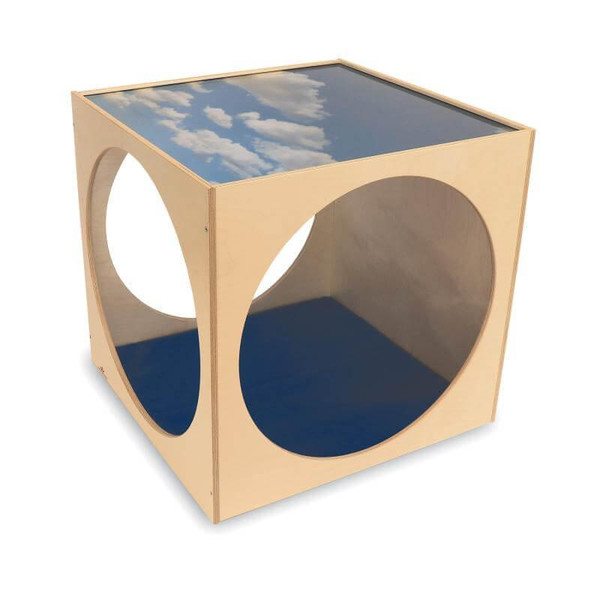
$499.00$529.00Acrylic Top Play House Cube - Clear Roof Quiet Space for Early Learning Enhance calm, comfort, and supervision-friendly design with the Acrylic Top Play House Cube, a refined version of the original... -
 - 9%Made in USA- 9%Made in USA
Acrylic Top Playhouse Cube With Floor Mat Set
$519.00$569.00Acrylic Top Play House Cube with Floor Mat - Quiet Reading Nook for Calm Spaces Create a bright and calming retreat with the Acrylic Top Play House Cube with Floor Mat. This quiet reading nook gives... -

 - 5%Made in USA- 5%Made in USA
Birch Reading Cube - RTA
$495.00$522.50Birch Reading Cube - Cozy Reading Nook for Quiet Learning Spaces Birch Reading Cube creates a calm and cozy space where kids can relax and read. This kids reading nook fits neatly into small areas... -

 - 11%Made in USAQuick Ship- 11%Made in USAQuick Ship
Classroom Wooden Reading Nook With Sound Dampening Panels
$1,938.00$2,166.00Classroom Wooden Reading Nook - Quiet Reading Corner with Sound Dampening Panels Give children a peaceful place to read with the Classroom Wooden Reading Nook. This inviting reading nook furniture... -

 - 11%Made in USA- 11%Made in USA
Corner Literacy Nook
$1,287.92$1,439.44Corner Literacy Nook - Cozy Reading Center for Early Learning Spaces Create a comfortable place for children to discover books with the Corner Literacy Nook. This inviting reading nook furniture... -

 - 5%Made in USA- 5%Made in USA
Hexagon Happening Hollow
$1,039.50$1,097.25Hexagon Happening Hollow - Soft Foam Reading Nook & Gathering Space for Toddlers Brighten any daycare or classroom with the welcoming charm of the Hexagon Happening Hollow, a thoughtfully designed...
Benefits of Reading Nook Furniture for Classrooms & Libraries
Reading nook furniture helps transform ordinary classroom corners into inviting spaces dedicated to books, storytelling, and quiet activities. From enclosed reading pods to open seating arrangements with book storage, these furnishings create recognizable areas for independent exploration.
For preschools, daycares, elementary schools, libraries, and pediatric waiting rooms, classroom reading nooks offer practical ways to encourage early literacy while making thoughtful use of available space.
Why Choose Reading Nook Furniture?
-
Reading Independence: Encourages self-selected books and activities.
-
Quiet Retreats: Provides spaces away from busy activities.
-
Literacy Engagement: Makes reading areas more inviting.
-
Space Organization: Establishes dedicated classroom zones.
-
Accessible Books: Keeps reading materials conveniently nearby.
-
Flexible Designs: Accommodates different room configurations.
Create Inviting Preschool Reading Corners
Preschool reading corners give young children a recognizable place to enjoy picture books, listen to stories, or explore reading independently.
Position furniture near age-appropriate books and consider comfortable seating that supports the activities planned for the space.
A thoughtfully arranged nook can become a familiar part of daily classroom routines.
Support Quiet Time & Independent Activities
Reading hideaways and partially enclosed seating can help distinguish quieter activities from active classroom play.
These spaces may be useful for independent reading, looking through picture books, or taking a supervised break from group activities.
Choose designs that maintain appropriate visibility and access for educators and caregivers.
Combine Reading Seating with Book Storage
Some kids reading nooks include integrated shelves, compartments, or nearby book displays.
Combining seating and storage can simplify book organization, especially in classrooms where floor space is limited.
Consider how easily children can browse and return books without disrupting others.
Design Welcoming Library & Waiting Room Areas
Library reading nooks can create inviting destinations for young visitors within larger public spaces.
In pediatric waiting rooms, compact reading furniture can establish a quieter activity area away from main traffic routes.
Choose furniture placement that preserves clear walkways and accommodates caregiver supervision.
Choosing Commercial Reading Nook Furniture
When selecting children's reading furniture, compare overall dimensions, seating capacity, construction, cleaning requirements, and intended age range.
Measure the complete footprint, including entrances, surrounding clearance, and access to shelving.
Review manufacturer specifications for assembly, anchoring, materials, and any acoustic or cushioning features. Not every reading nook includes the same components.
Explore More Reading & Classroom Furniture
Browse Book Storage for organizing reading collections, Kids Seating Areas for group furniture arrangements, and Kids Furniture for additional classroom furnishings.
Frequently Asked Questions About Reading Nook Furniture
What is the difference between a reading nook and a reading corner?
A reading corner is a designated area that may use separate chairs, rugs, and shelves. Reading nook furniture often combines seating, partial enclosure, or book storage into a more defined reading space.
Are enclosed reading nooks suitable for preschool classrooms?
They can be, provided the design is age-appropriate and allows suitable supervision and access. Review the manufacturer's specifications and your facility's requirements before purchasing.
How much space should I allow around a reading nook?
Allow room for children to enter and exit comfortably, for caregivers or educators to assist when needed, and for nearby pathways to remain clear. Use the product's full dimensions when planning placement.