
Our sensory tables are hands-on activity tables designed for open-ended exploration using materials such as sand, water, textures, and manipulatives. Commonly used in classrooms, early learning centers, libraries, and children’s play spaces, these tables encourage curiosity, fine motor engagement, and creative discovery. Built for durability and everyday use, sensory tables provide an inviting platform for experiential learning that supports exploration, experimentation, and focused play.
Products List
-
 13%13%
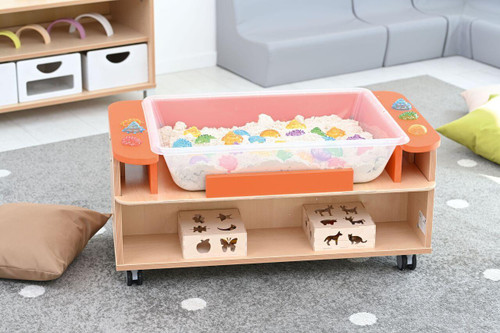
Mobile Sensory Cart
PS-MBSET645Sale: $528.54Price: $607.82Create a soothing space for kids to relax their senses, like a quiet corner or a fun play area. You can fill the Mobile Sensory Cart with balls, beans, sand, or any sensory items you choose. Just keep in mind, no sand, toys, wooden boxes, or filler...
Frequently Asked Questions About Sensory Tables for Preschoolers & Toddlers
(:1f476:) What ages benefit most from sensory table play?
Toddlers (12–18 months) through preschool (up to 5–6 years). Babies mouth/splash safe materials, toddlers practice scooping/pouring, preschoolers create patterns and narratives with themed fillers.
(:1f9e0:) What developmental skills do sensory tables build?
Fine motor control (scooping, pinching), hand-eye coordination, cognitive concepts (full/empty, heavy/light, wet/dry), language (describing textures), and emotional regulation through calming, repetitive motions.
(:1f637:) Are sensory tables practical for classrooms and therapy rooms?
Yes—commercial tables have removable, dishwasher-safe inserts and drain plugs for quick cleanup. Use rice/beans over messy water for low-maintenance. Rotate fillers weekly to prevent contamination.
(:1f4cf:) Light table vs. sensory table—which is better for small spaces?
Sensory tables offer tactile variety (wet/dry textures) but need cleanup space. Light tables provide clean, glowing visual play with zero mess. Use sensory for messy sensory diets; light tables for visual-motor focus.
