
HABA Pro sensory wall panels give children tactile, visual, and problem-solving play - without taking up floor space. Mount them in classrooms, therapy rooms, or early learning centers and watch kids build fine motor skills, focus, and coordination through spinning, tracing, pressing, and sorting.
Perfect for solo or group play. Built to spark curiosity and keep small hands busy.
Products List
-
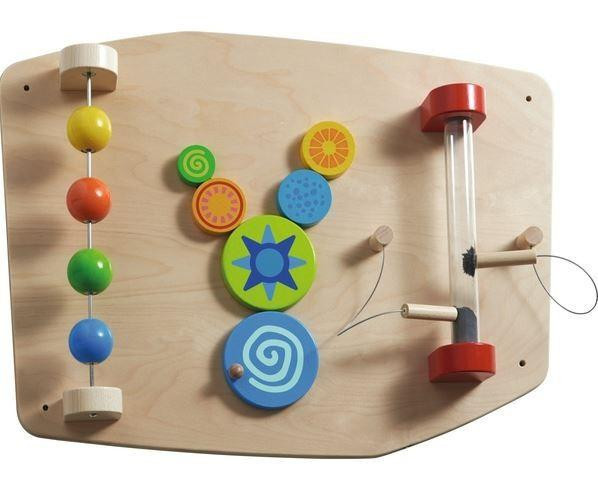
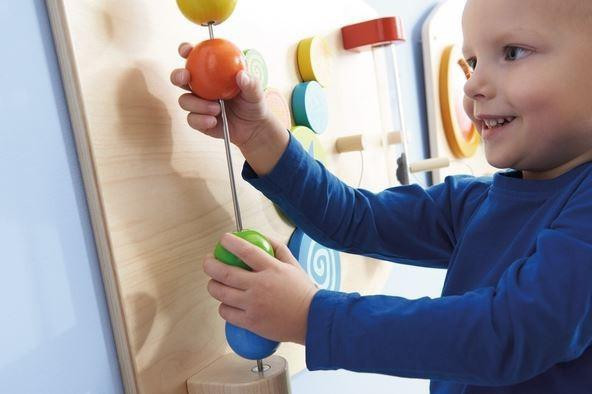 - 7%Quick Ship- 7%Quick Ship
Sensory Learning Wall Panel - Motor Skills E
PS-H1056893001$713.46$765.16HABA Sensory Learning Wall Panel Motor Skills E - Sensory Activity Wall Toy for Motion & Fine Motor Play Encourage hands-on discovery with the HABA Sensory Learning Wall Panel Motor Skills E. This engaging sensory wall panel invites children to slide... -

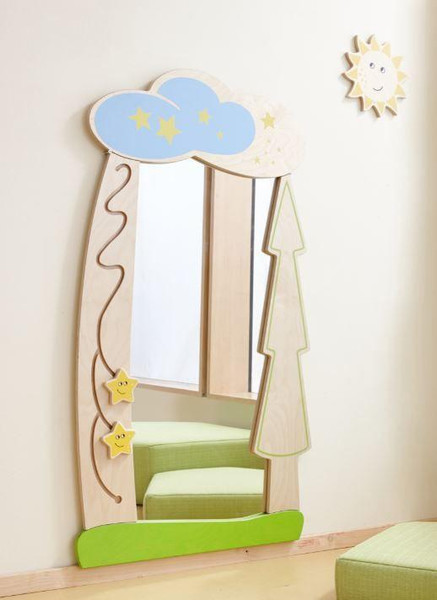 - 7%10yr Warranty- 7%10yr Warranty
Starry Forest Interactive Wall Mirror
PS-H1158930$1,264.08$1,355.68Starry Forest Mirror - Star Mirror Sensory Wall Panel for Motor & Reflection Play Bring movement and reflection together with the Starry Forest Mirror. This beautiful star mirror sensory wall panel invites children to slide star shapes along a track... -

 - 7%Quick Ship- 7%Quick Ship
The Forest Sensory Wall Panel
PS-H1206386001$1,282.02$1,374.92Forest Wall Activity Panel - Sensory Exploration for Motor Skills Bring calm, nature play indoors with the Forest Wall Activity Panel. This engaging sensory wall panel lets kids explore animals, paths, and moving parts. Children can slide, spin, and... -

 - 7%Quick Ship- 7%Quick Ship
Tree and Animals Interactive Wall Decor
PS-H1120335001$2,528.16$2,711.36HABA Tree, Animals & Meadow Wall Decor - Nature Activity Wall Panel for Fine Motor Play Bring a touch of nature indoors with the HABA Tree, Animals & Meadow Wall Decor. This engaging nature activity wall panel features playful woodland animals... -
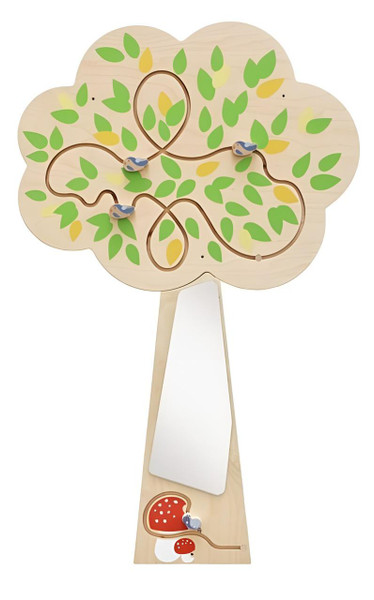
 - 7%Quick Ship- 7%Quick Ship
Tree Mirror Interactive Wall Decor
PS-H1157749001$1,727.76$1,852.96HABA Tree Mirror Interactive Wall Decor - Tree Mirror Activity Wall Panel for Sensory Play Bring reflection and movement together with the HABA Tree Mirror Interactive Wall Decor. This beautiful sensory wall panel features a large tree shape with a... -

 - 21%Quick Ship- 21%Quick Ship
Wall Guide Rail Stop Brackets for Sensory Wall Toys - Set of 4
PS-HMETALTAB$15.00$19.00HABA Metal Stop Brackets for Sensory Wall Guide Rails - Secure Rail End Caps for Modular Panels Keep sensory wall systems neat and secure with HABA Metal Stop Brackets for Sensory Wall Guide Rails. These sturdy brackets attach to the ends of guide rails... -

 - 7%10yr Warranty- 7%10yr Warranty
Wooden Marbles for Wall Ball Marble Tracks
PS-H1120264001$41.40$44.40Wooden Marbles Set for Marble Tracks - Colorful Wooden Marbles for Ball Run Play Add bright motion and hands-on discovery with the Wooden Marbles Set for Marble Tracks. These colorful wooden marbles for ball runs roll smoothly through marble tracks and...
Frequently Asked Questions about Sensory Walls
Are sensory wall toys beneficial for children with special needs or autism?
Yes. These panels give children with autism, ADHD, and sensory processing challenges a structured way to engage with textures, movement, and sound. Activities like spinning, tracing, and pressing buttons build fine motor skills and coordination - the same skills needed for writing and grasping objects. They also support focus and self-regulation, making them a strong fit for therapy settings, special education rooms, and inclusive classrooms.
Can sensory wall toys be mounted on different types of walls?
Yes. Most panels mount securely on drywall, wood, concrete, and brick using screws and wall anchors. For drywall, mount into studs or use heavy-duty anchors. For concrete or brick, masonry anchors work best. Some lighter panels use adhesive strips, but screw mounting is recommended for high-traffic spaces like schools and waiting rooms. Always check the manufacturer's instructions for weight limits and mounting specs.
Where are sensory wall toys most commonly used?
Classrooms, daycares, special education settings, pediatric waiting rooms, therapy centers, children's museums, libraries, and community play spaces. They work especially well in sensory rooms and autism-friendly environments, where children benefit from structured, hands-on activity that supports self-regulation and motor development.
