
Wooden Bead Mazes for Fine Motor Development & Hands-On Play
Bead maze toys offer engaging, hands-on activities that encourage children to explore movement, coordination, and problem-solving. Popular in pediatric waiting rooms, dental offices, preschools, and children's libraries, these interactive toys provide opportunities for early learning through simple, repetitive play.
With colorful beads and guided pathways, bead mazes encourage children to practice controlled movements while discovering shapes, colors, and spatial relationships.
Educational & Developmental Benefits
Bead maze activities support foundational developmental skills through hands-on exploration.
-
Fine Motor Skills: Strengthen finger dexterity and control.
-
Hand-Eye Coordination: Guide movements along winding pathways.
-
Visual Tracking: Follow beads through different directions.
-
Spatial Awareness: Explore positions and movement.
-
Problem-Solving: Navigate twists, turns, and obstacles.
-
Concentration: Encourage focused, independent play.
Bead Maze Toys for Pediatric Waiting Rooms
Bead mazes are a popular choice for pediatric offices, dental clinics, hospitals, and family healthcare centers.
Their hands-on activities give children something engaging to explore before appointments. Designs with securely attached beads can also help reduce loose play pieces in shared environments.
For additional healthcare play solutions, explore our waiting room toys.
Early Learning Activities for Preschools & Libraries
Preschools and childcare centers can incorporate bead mazes into fine motor learning stations where children practice coordination and controlled hand movements.
Children's libraries can use bead maze activities in reading corners and family areas to encourage quiet, independent exploration.
These activities also provide opportunities for adults to introduce early learning concepts through conversations about colors, counting, directions, and patterns.
Choosing Bead Maze Toys for Your Facility
Consider children's ages, available space, expected traffic, and the type of play environment you want to create.
Tabletop and freestanding designs require different amounts of space, so review dimensions before purchasing.
For busy shared environments, evaluate construction materials, stability, cleaning instructions, and whether beads and other components are securely attached.
Choose age-appropriate activities and allow enough surrounding space for comfortable access and supervision.
Frequently Asked Questions
What skills do bead maze toys help develop?
Bead mazes encourage fine motor coordination, visual tracking, spatial awareness, and problem-solving.
Are bead mazes suitable for pediatric waiting rooms?
Yes. They provide engaging, hands-on entertainment and can complement designated children's play areas.
Can bead mazes support preschool learning?
Yes. They offer opportunities to practice coordination, counting, color recognition, and directional concepts.
Are bead maze toys appropriate for toddlers?
Many are designed for young children, but age recommendations vary. Always review manufacturer guidelines and inspect toys for damaged or loose components.
Filter By
Products List
-

 - 7%- 7%
Where is Mousy? Round Wall Toy
PS-AMH-RA1660WSale $1,719.48$1,844.08Find Mousy Mouse Round Wall Toy - Sensory Wall Panel For Visual Discovery Find Mousy Mouse Round Wall Toy turns playtime into a fun hide-and-seek game. This Sensory Wall Panel lets kids spin and... -
 - 10%Made in USA- 10%Made in USA
Wavy Legs Beads & Mirror Play Table
PS-25-WBMT-001Sale $368.46$408.51Playscapes Wavy Legs Beads & Mirror Table - Sensory Activity Table for Motor Skills Create a welcoming place for discovery with the Playscapes Wavy Legs Beads & Mirror Play Table. This engaging... -

 - 10%Made in USA- 10%Made in USA
Veggies Flip Wire & Bead Maze Wall Toy
PS-20-FLP-011Sale $369.84$410.04Veggies Flip Wire & Bead Maze Wall Panel - Vegetable Maze for Motor Skills Bring garden-themed play to the wall with the Veggies Flip Wire and Bead Maze Wall Toy. This colorful bead maze wall panel... -

 - 12%Quick Ship- 12%Quick Ship
Unicorn Activity Wall Panel
LA-44654Sale $149.99$169.99Unicorn Activity Wall Panel - Sensory Exploration for Imaginative Play Bring magic to learning with the Unicorn Activity Wall Panel. This colorful sensory wall panel invites kids to explore and play... -

 - 19%Quick Ship- 19%Quick Ship
Triceratops Activity Wall Panel
LA-SW400039Sale $169.00$209.00Triceratops Activity Wall Panel – Dinosaur Sensory Play for Fine Motor Skills Triceratops Activity Wall Panel brings fun and learning together in one bold design. This dinosaur sensory wall panel... -

 - 17%Quick Ship- 17%Quick Ship
Train Montessori Wall Activity Boards
LA-SW400038Sale $199.99$239.99Train Activity Wall Panel - Sensory Play for Fine Motor Skills All aboard for fun with the Train Activity Wall Panel Toy. This colorful sensory wall panel turns any wall into a busy play zone. Kids... -

 - 7%- 7%
Silly Beads Round Wall Toy
PS-AMH-RA0860WSale $1,719.48$1,844.08Silly Beads Round Wall Toy - Sensory Wall Panel For Visual Tracking Silly Beads Round Wall Toy brings motion and color to any play space. This Sensory Wall Panel lets kids spin, watch, and explore as... -

 - 5%Quick Ship- 5%Quick Ship
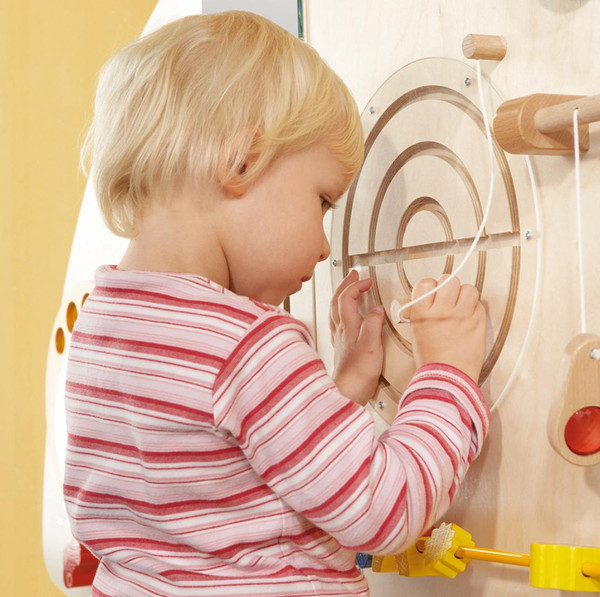
Sensory Learning Wall Activity Panel - Curve A
PS-H1120216001Sale $927.36$978.93HABA Pro Sensory Learning Wall Curve A - Curved Sensory Wall Panel for Toddler Activity Walls Encourage hands-on discovery with the HABA Pro Sensory Learning Wall Curve A. This engaging sensory wall... -

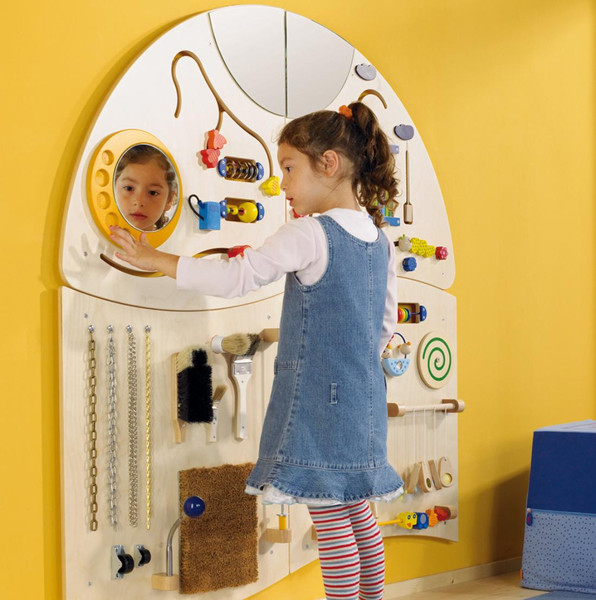 - 6%10yr Warranty- 6%10yr Warranty
Sensory Learning Wall 4-Piece Set
PS-20LWS100+H1120217Sale $2,765.52$2,933.81HABA Sensory Learning Wall Panels - Modular Activity Wall for Sensory Play Turn blank walls into hands-on learning zones with the HABA Sensory Learning Wall 4-Piece Set. This modular sensory wall... -

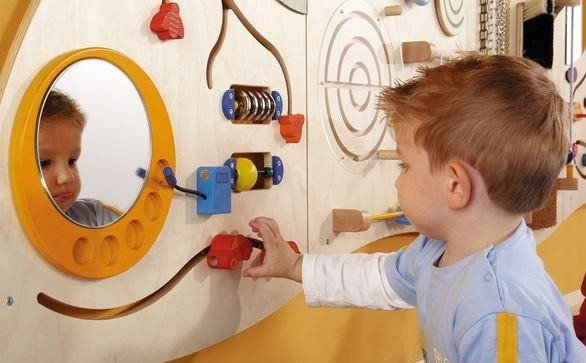 - 6%10yr Warranty- 6%10yr Warranty
Sensory Learning Wall - 3 Piece Set
PS-20LWS100Sale $2,010.66$2,141.13Sensory Learning Wall 3-Piece Set - Toddler Sensory Wall Panels for Interactive Play Turn quiet walls into active learning spaces with the Sensory Learning Wall 3-Piece Set. This engaging toddler... -

 - 10%Made in USA- 10%Made in USA
Seascape Flip Wire & Bead Maze Wall Toy
PS-20-FLP-OSSSale $369.84$410.04Seascape Flip Wire & Bead Maze Wall Panel - Ocean Maze for Motor Skills Bring ocean adventure to the wall with the Seascape Flip Wire & Bead Maze Wall Toy. This colorful ocean bead maze wall panel... -

 - 10%Made in USA- 10%Made in USA
Safari Flip Bead Maze Wall Toy
PS-20-FLP-SAFSale $369.84$410.04Safari Flip Bead Maze Wall Toy - Jungle Adventure on the Wall! Let little explorers embark on a wild safari with the Safari Flip Bead Maze Wall Toy! This vibrant wall-mounted activity brings animals,... -

 - 7%- 7%
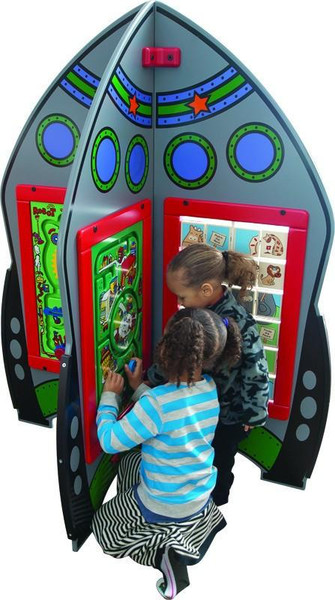
Rocket Ship Activity Center
PS-AMH-ST80Sale $9,648.96$10,348.16Playscapes Rocket Ship Activity Center - Activity Play Center For Imaginative Play Playscapes Rocket Ship Activity Center turns any space into a fun mission. This Activity Play Center lets kids... -

 - 20%Quick Ship- 20%Quick Ship
Rainbow Activity Wall Panel
LA-44642Sale $199.99$249.99Rainbow Activity Wall Panel - Sensory Wall Panel For Sensory Exploration Rainbow Activity Wall Panel - Multi-Panel Sensory Wall System creates a full wall of color, motion, and learning. This... -

 - 10%Made in USA- 10%Made in USA
Play Panel Wooden Activity Cube
PS-CFY107200011Sale $1,161.96$1,288.26Play Panel Activity Cube - Fine Motor Skills for Early Learning The Play Panel Activity Cube turns any play area into a calm learning space. This interactive activity cube keeps children busy with... -
 - 10%Made in USA- 10%Made in USA
Mirror and Bead Wall Toy - Red
PS-20-MRW-002Sale $244.26$270.81Mirror & Bead Wall Panel - Sensory Exploration Activity Toy Add bright color and hands-on discovery with the Mirror & Bead Wall Toy - Red Frame. This engaging sensory activity wall panel combines a... -
 - 10%Made in USA- 10%Made in USA
Mirror and Bead Wall Toy
PS-20-MRW-001Sale $244.26$270.81Mirror & Bead Wall Panel - Sensory Exploration Activity Toy Create a fun discovery space with the Mirror & Bead Wall Toy - Natural Frame. This engaging sensory activity wall panel combines a... -

 - 7%- 7%
Math Beads Educational Round Wall Toy
PS-AMH-RA0260WSale $1,719.48$1,844.08Math Beads Round Wall Panel - Counting Activity for Early Math Skills Make early math fun with the Math Beads Educational Round Wall Activity Toy. This interactive math learning wall panel invites... -

 - 25%Quick Ship- 25%Quick Ship
Magnetic Wands for Crocodile & Airplane Sensory Wall Panels - Set of 2
LA-WANDSSale $14.98$19.98Replacement Magnetic Wands Set - Smooth Play for Sensory Wall Panels Keep play moving with the Replacement Magnetic Wands (Set of 2). These magnetic maze wands help restore smooth movement on busy... -

 - 7%- 7%
Locomotive Train and Caboose Activity Wall Panel Center
PS-AMH-CT35AESale $10,446.60$11,203.60Locomotive Train Activity Wall Panel - Sensory Wall Panel For Motor Skills Play Locomotive Train & Caboose Activity Wall Panel Center brings motion and learning together in one exciting setup. This... -

 - 10%Made in USA- 10%Made in USA
Loco-Motion Wires, Beads, and Gears Wall Toy
PS-PP206Sale $487.14$540.09Loco-Motion Wires, Beads & Gears Wall Toy - Motor Skills Sensory Activity Toy Turn any wall into a place of motion and discovery with the Loco-Motion Wires, Beads & Gears Wall Toy. This interactive... -

 - 10%Made in USA- 10%Made in USA
Loco-Motion Red Sphere Activity Wall Toy
PS-PP405Sale $371.22$411.57Loco‑Motion Red Sphere Activity Wall Toy - Built for Motion, Sensory Play & Fine Motor Skills Transform any wall into a zone of wonder and active play with the Red Sphere Activity Wall Toy. Colorful... -

 - 10%Made in USA- 10%Made in USA
Loco-Motion Blue Sphere Activity Wall Toy
PS-PP404Sale $371.22$411.57Loco-motion Blue Sphere Activity Wall Toy - Motion, Focus & Fine Motor Fun Spark your child's curiosity with the Loco-motion Blue Sphere - a colorful, kinetic wall toy that encourages visual... -

 - 10%Made in USA- 10%Made in USA
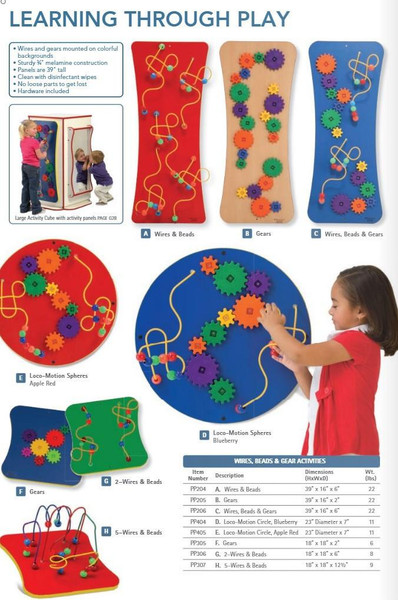
Loco-Motion Bead Maze Wall Toy
PS-PP204Sale $487.14$540.09Loco-Motion Bead Maze Wall Toy - Sensory Wall Panel For Fine Motor Skills Loco-Motion Bead Maze Wall Toy brings classic bead play to the wall. This Sensory Wall Panel lets kids move bright beads... -
 - 10%Made in USA- 10%Made in USA
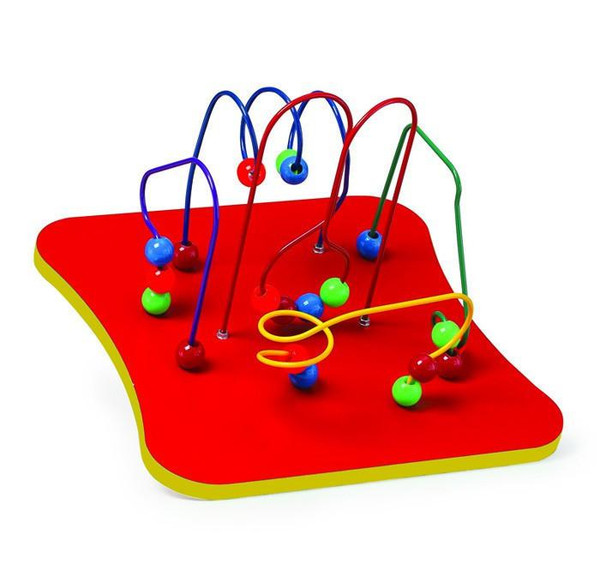
Loco-Motion 5-Wires Bead Maze Wall Toy
PS-PP307Sale $311.88$345.78Loco-Motion 5-Wires Bead Maze Wall Panel - Fine Motor Skills Activity Toy Keep little hands moving with the Loco-Motion 5-Wires Bead Maze Wall Toy. This engaging bead maze wall panel lets children... -

 - 10%Made in USA- 10%Made in USA
Loco-Motion 2-Wires Bead Maze Wall Toy
PS-PP306Sale $168.36$186.66Loco-Motion 2-Wires Bead Maze Wall Panel - Fine Motor Skills Activity Toy Add simple hands-on play to smaller spaces with the Loco-Motion 2-Wires Bead Maze Wall Toy. This colorful bead maze wall... -

 - 25%Quick Ship- 25%Quick Ship
Junior Crocodile Sensory Wall Panel - Light Green
LA-Crock-LGSale $149.99$199.99Junior Crocodile Sensory Wall Panel - Sensory Exploration for Toddler Development Turn walls into play zones with the Junior Crocodile Sensory Wall Panel. This fun sensory wall panel features bright... -

 - 25%Quick Ship- 25%Quick Ship
Horse Activity Wall Panel
LA-50678Sale $59.99$79.99Horse Activity Wall Panel - Sensory Wall Panel For Motor Skills Play Horse Activity Wall Panel brings fun movement and learning to any wall. This Sensory Wall Panel lets toddlers spin gears and move... -

 - 20%Quick Ship- 20%Quick Ship
Hippo 3-Activity Sensory Wall Panel
LA-50470Sale $119.99$149.99Hippo 3-Activity Sensory Wall Panel - Early Math Skills Learning Activity Make learning fun with the Hippo 3-Activity Sensory Wall Panel. This bright sensory wall panel helps kids learn numbers and... -

 - 7%- 7%
Henry Hexipus Round Wall Toy
PS-AMH-RA1760WSale $1,719.48$1,844.08Henry Hexipus Round Wall Toy - Sensory Wall Panel For Problem-Solving Play Henry Hexipus Round Wall Toy takes kids on a fun underwater journey. This Sensory Wall Panel lets children move treasure... -

 - 10%Made in USA- 10%Made in USA
Harmony Park Flip Wire & Bead Maze Wall Toy
PS-20-FLP-HPSSale $369.84$410.04Harmony Park Flip Wire & Bead Maze Wall Panel - Park Maze for Motor Skills Bring playful park adventures to the wall with the Harmony Park Flip Wire & Bead Maze Wall Toy. This colorful bead maze wall... -

 - 10%Made in USA- 10%Made in USA
Fruit Flip Wire & Bead Maze Wall Toy
PS-20-FLP-100Sale $369.84$410.04Fruit Flip Wire & Bead Maze Wall Panel - Fruit Maze for Motor Skills Add bright, playful motion to the wall with the Fruit Flip Wire & Bead Maze Wall Toy. This colorful bead maze wall panel features... -

 - 25%Quick Ship- 25%Quick Ship
Frog Activity Wall Panel
LA-50679Sale $59.99$79.99Frog Activity Wall Panel - Sensory Wall Panel For Early Math Learning Frog Activity Wall Panel makes counting fun and hands-on. This Sensory Wall Panel lets toddlers slide beads to learn numbers and... -

 - 10%Made in USA- 10%Made in USA
Flower Shaped Bead Maze Activity Table
PS-25-WBT-002Sale $368.46$408.51Flower Bead Maze Activity Table - Motor Skills Sensory Play Station Brighten play areas with the Flower-Shaped Bead Maze Activity Table. This colorful sensory activity table invites children to guide... -

 - 7%- 7%
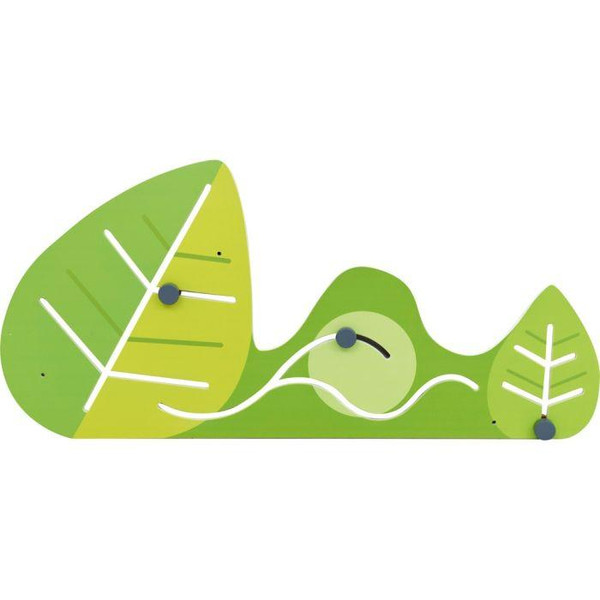
Flora Sensory Wall Activity
PS-MB098378Sale $77.28$82.88Flora Sensory Wall Activity - Woodland Sliding Tile Panel The Flora Sensory Wall Activity by Moje Bambino brings woodland-inspired discovery to children’s spaces with its playful leaf shape and... -

 - 10%Quick Ship- 10%Quick Ship
Crocodile Toddler Activity Walker
LA-SW44681Sale $89.99$99.99Crocodile Toddler Activity Walker - Motor Skills Development Push Toy Support first steps with the Crocodile Toddler Activity Walker. This fun activity walker helps toddlers move and learn at the... -

 - 17%Quick Ship- 17%Quick Ship
Crocodile 5-Activity Sensory Wall Panel
LA-50346Sale $199.99$239.99Crocodile 5-Activity Sensory Wall Panel - Sensory Exploration for Interactive Play Bring big fun to the wall with the Crocodile 5-Activity Sensory Wall Panel. This large sensory wall panel is full... -

 - 8%Quick Ship- 8%Quick Ship
Caterpillar Sensory Wall Panel
LA-44557Sale $219.99$239.99Caterpillar Sensory Wall Panel - Sensory Exploration Play for Group Learning Caterpillar Sensory Wall Panel turns any wall into a fun and active learning space. Children touch, spin, and explore... -

 - 7%- 7%
C-V-C Word Sorter Round Wall Toy
PS-AMH-RA1160WSale $1,719.48$1,844.08C-V-C Word Sorter Round Wall Toy - Literacy Wall Panel For Early Reading Skills C-V-C Word Sorter Round Wall Toy helps kids learn to read in a fun way. This Literacy Wall Panel lets children build... -
 - 10%Made in USA- 10%Made in USA
Bead Blast & Vehicle Venture Sand & Activity Table
PS-15-BVT-001Sale $862.50$956.25Bead Blast & Vehicle Venture Sand & Activity Table - Enclosed Magnetic Play and Bead Maze Activity for High-Traffic Spaces Enhance your waiting room, pediatric office, library, or early learning...
Benefits of Bead Maze Toys for Kids
Bead maze toys encourage children to guide beads along shaped tracks, combining purposeful movement with visual exploration. These activities provide opportunities to practice controlled hand movements, tracking, and spatial understanding.
For preschools, daycare centers, and pediatric waiting rooms, age-appropriate bead mazes can offer engaging play within a designated activity area.
Why Choose Bead Maze Toys?
-
Fine Motor Skills: Develops controlled hand movements.
-
Hand-Eye Coordination: Connects vision with movement.
-
Visual Tracking: Follows beads along pathways.
-
Spatial Awareness: Explores position and direction.
-
Concentration: Encourages focused exploration.
-
Independent Play: Supports self-directed discovery.
Choosing the Right Bead Maze
Consider the children's ages, developmental abilities, and available space.
Compare tabletop, freestanding, and wall-mounted designs based on the intended setting.
Review bead sizes, track complexity, and manufacturer age recommendations.
Bead Mazes for Pediatric Waiting Rooms
Contained play designs may help reduce loose materials in shared spaces.
Position equipment where caregivers can supervise children easily and where the activity does not obstruct walkways.
Cleaning & Inspecting Bead Mazes
Inspect tracks, beads, and supporting structures regularly.
Follow manufacturer cleaning instructions and remove equipment from use if components become damaged or detached.
For shared environments, establish a routine cleaning schedule.
Explore More Fine Motor Activities
Browse Wooden Activity Cubes, Wall Toys for Kids, Manipulative Toys, and Activity Centers.
Frequently Asked Questions About Bead Maze Toys
What skills do bead mazes develop?
They encourage fine motor coordination, visual tracking, concentration, and spatial awareness.
Are bead mazes suitable for toddlers?
Some are designed for toddlers, but age recommendations vary. Check manufacturer guidance and component safety information.
Are bead mazes good for waiting rooms?
They can provide engaging activities with contained components, depending on the design. Choose models suitable for shared use and cleaning.