
Products List
-

 - 11%Quick Ship- 11%Quick Ship
Whizzy Dizzy Sit 'n Spin
$159.99$179.99Whizzy Dizzy Sit 'n Spin - Durable Spinning Balance Toy for Active Sensory Play Get kids moving, laughing, and learning with the Whizzy Dizzy Sit 'n Spin, a classic-style spinning balance toy for... -
 - 7%10yr Warranty- 7%10yr Warranty
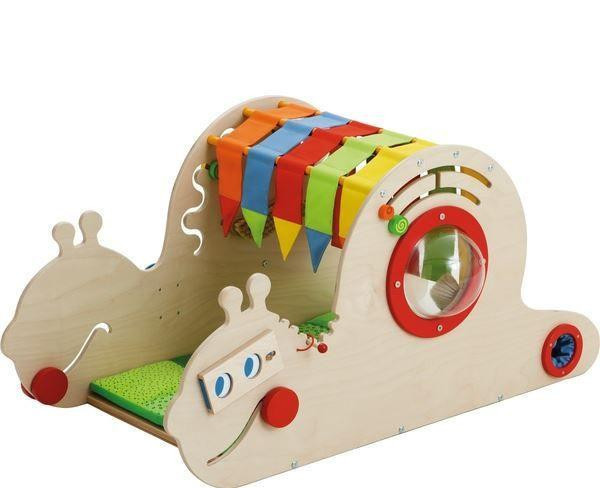
Toddler Sensory Activity Discovery Snail
$3,299.58$3,562.59HABA Discovery Snail Sensory Activity Panel - Tactile Exploration Play Center Invite hands-on discovery with the Toddler Sensory Activity Discovery Snail. This interactive sensory activity panel is... -

 - 15%Quick Ship- 15%Quick Ship
Super Fire Engine Playhouse
$1,099.99$1,299.99Super Fire Engine Playhouse - Imaginative Role Play for Teamwork Fun Bring rescue missions to life with the Super Fire Engine Play House. This exciting fire truck playhouse lets kids act as real... -

 - 15%Quick Ship- 15%Quick Ship
Super Ambulance Playhouse
$1,099.99$1,299.99Super Ambulance Playhouse - Imaginative Role Play for Social Development Bring rescue stories to life with the Super Ambulance Playhouse. This large ambulance playhouse lets kids act as real helpers... -

 - 7%- 7%
Standard Fun Island Cube Activity Center
$7,573.44$8,122.24Standard Fun Island Cube Activity Center - Activity Cube For Sensory Play Standard Fun Island Cube Activity Center brings fun and learning into one compact space. This Activity Cube gives kids... -

 - 7%- 7%
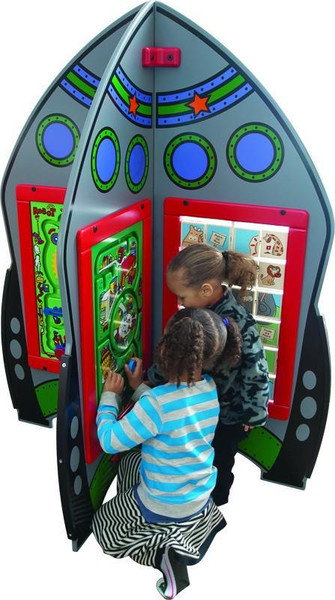
Rocket Ship Activity Center
$9,648.96$10,348.16Playscapes Rocket Ship Activity Center - Activity Play Center For Imaginative Play Playscapes Rocket Ship Activity Center turns any space into a fun mission. This Activity Play Center lets kids... -

 - 10%- 10%
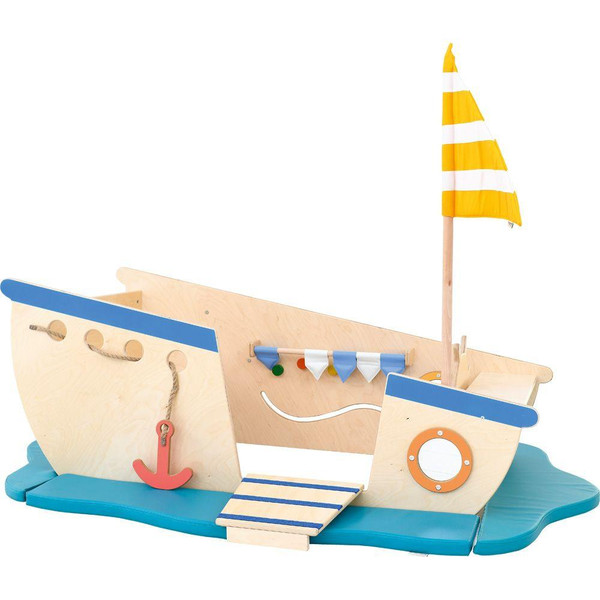
Pirate Ship Play Boat
$1,640.82$1,819.17Pirate Ship Play Boat - Interactive Nautical Dramatic Play Set The Pirate Ship Play Boat lets little sailors set off on big adventures. Up to six children can climb aboard and play together. This... -

 - 38%- 38%
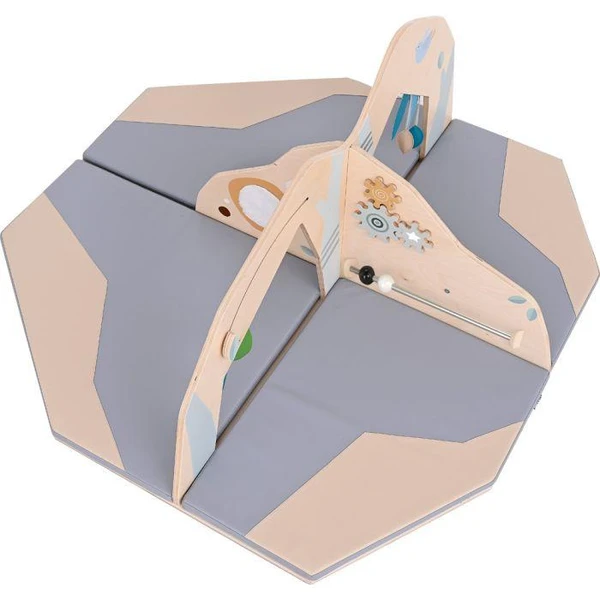
Mini Music Island Activity Center
$1,748.46$2,802.96Mini Music Island Activity Center - Sensory Play for Music Exploration Make music fun with the Mini Music Island Activity Center. This engaging music activity center lets kids stand, move, and play... -

 - 18%- 18%
Little Explorer Play Island Activity Center
$961.86$1,170.45Little Explorer Play Island - Sensory Activity Center for Interactive Play The Little Explorer Play Island creates a fun space for discovery. This activity play center supports sensory exploration... -
 - 10%Made in USA- 10%Made in USA
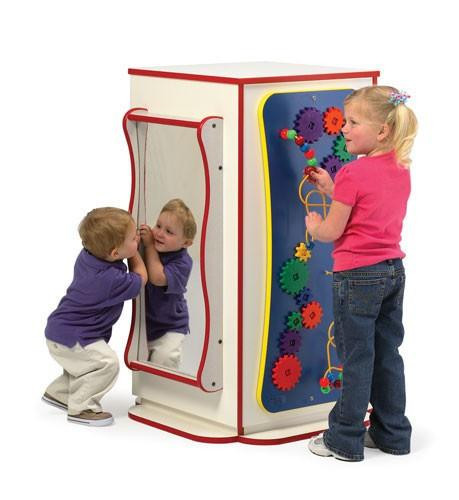
Large Activity Cube (Sensory Panels Sold Separately)
$745.20$826.20Playscapes Large Activity Cube - Customizable Play Center for Sensory Exploration Create a fun and flexible play space with the Playscapes Large Activity Cube. This large customizable activity play... -
 - 7%- 7%
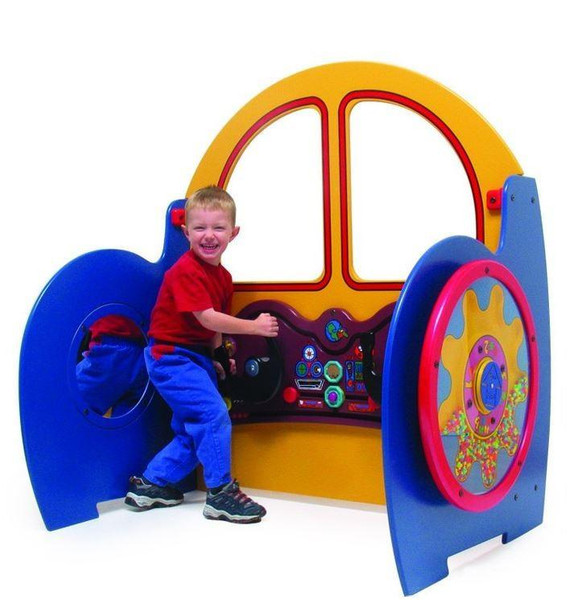
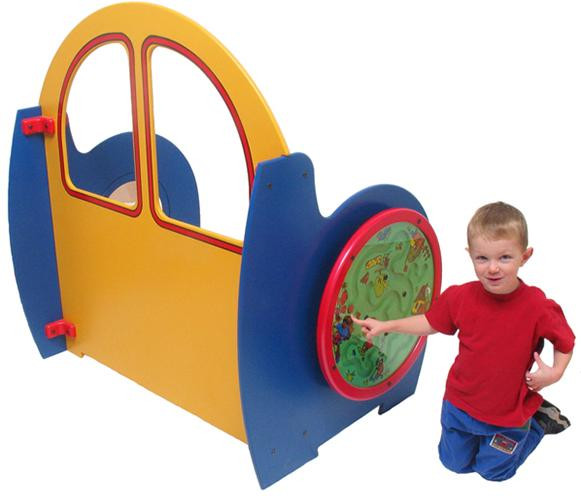
Kyles Kockpit Activity Center
$8,561.52$9,181.92Kyles Kockpit Activity Center - Activity Play Station For Imaginative Play Kyles Kockpit Activity Center brings adventure and learning together in one fun space. This Activity Play Station lets kids... -

 - 10%- 10%
Kiddie Play Car
$961.86$1,066.41Kiddie Play Car - Interactive Play Center for Imaginative Fun The Kiddie Play Car turns playtime into a shared adventure. This interactive play center supports imaginative play with built-in... -
 - 5%Made in USA- 5%Made in USA
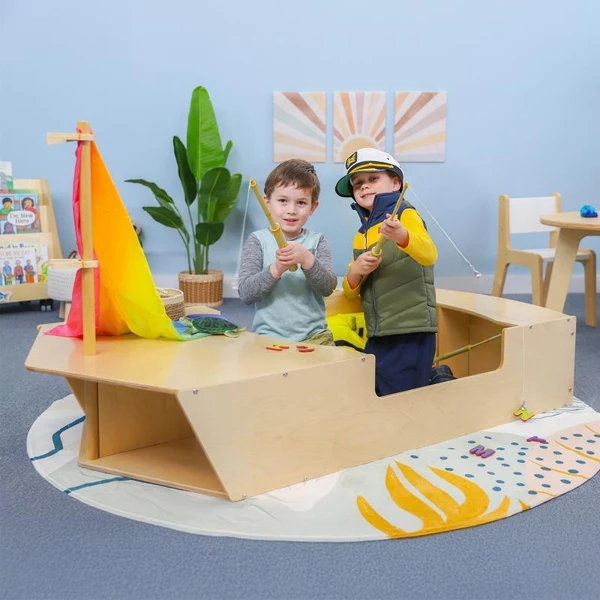
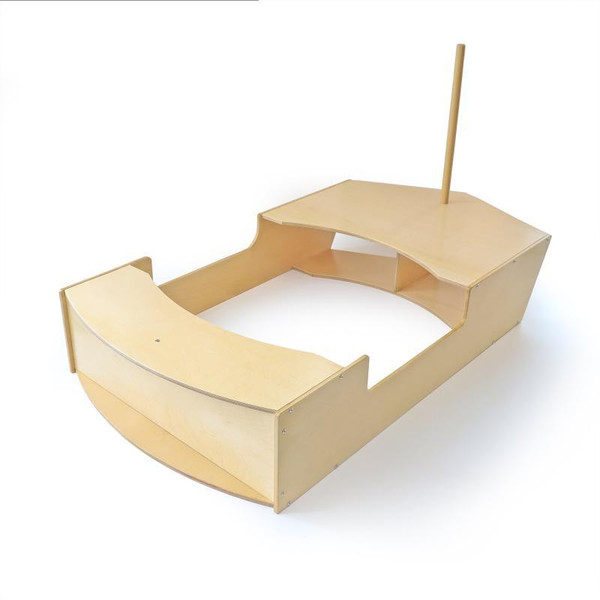
Imagination Boat Activity Center
$882.99$933.00outdoorED™ Table and Two Bench Set - Durable Outdoor Seating for Children The outdoorED™ Table and Two Bench Set delivers a perfectly matched outdoor seating solution designed for comfort,... -

 - 8%Made in USA- 8%Made in USA
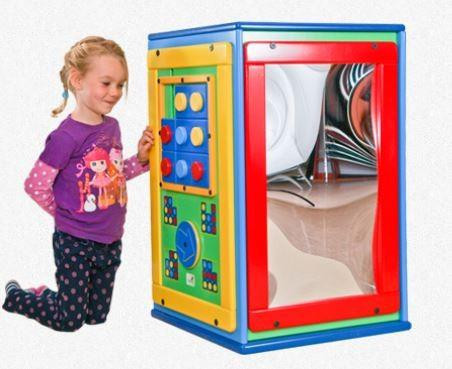
Hexagon Mirror Discovery Center
$699.00$759.00Hexagon Mirror Discovery Center - Sensory Play Center for Visual Exploration Create a space full of wonder with the Hexagon Mirror Discovery Center. This sensory play center surrounds children with... -

 - 7%- 7%
Fun Island Cube Activity Center
$8,415.24$9,025.04Fun Island Activity Cube - Sensory Play Center for Toddler Exploration Create a colorful discovery space with the Fun Island Cube Activity Center. This engaging multi-activity play cube offers... -
 - 14%Made in USA- 14%Made in USA
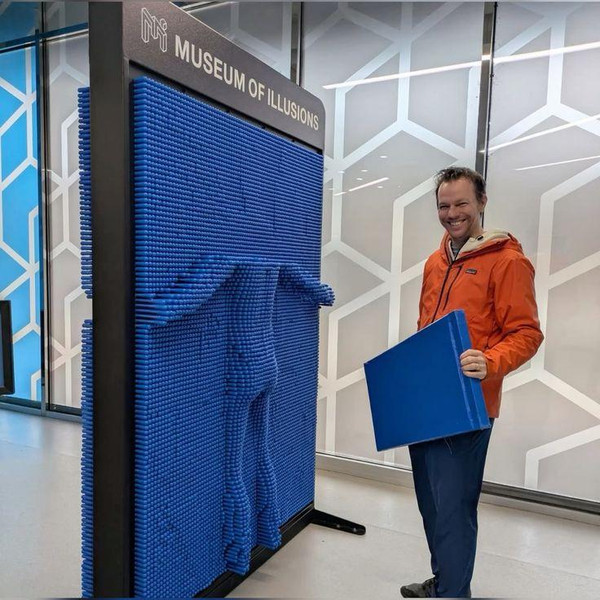
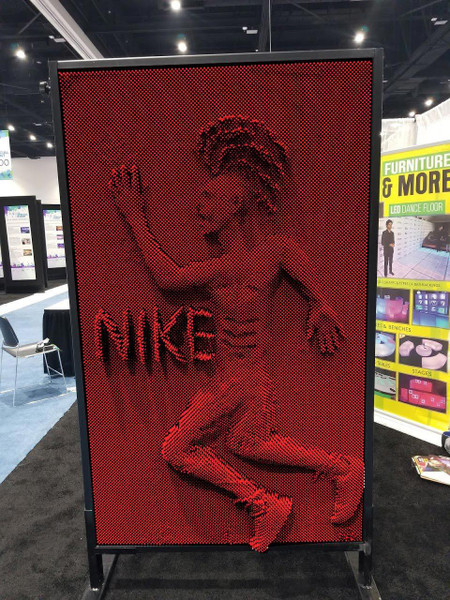
Clone Box Giant Pin Wall STEM Activity
$8,100.00$9,396.00Clone Box Giant Pin-Wall STEM Activity - Interactive 3D Sensory Impression Wall The Clone Box Giant Pin-Wall STEM Activity transforms touch into amazing three-dimensional art with every press. This... -

 - 14%Made in USA- 14%Made in USA
Chroma Color Wheel STEM Activity
$11,450.00$13,282.00Chroma Color Wheel STEM Activity - Interactive Color & Light Exploration Station Spark curiosity and creative discovery with the Chroma Color Wheel STEM Activity, an engaging, hands-on learning tool... -

 - 13%Made in USA- 13%Made in USA
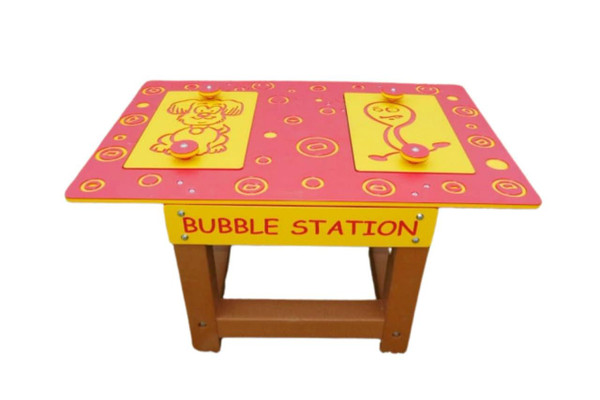
Bubble Station Activity Table
$2,192.85$2,511.81Bubble Station Activity Table - Playground Outdoor Bubble Play Center The Bubble Station Activity Table gives children a hands-on spot to mix bubble solution, dip large tools, and blow big bubbles...
Our activity centers are all-in-one play structures designed to offer multiple hands-on activities within a single, organized space. Commonly used in classrooms, early learning centers, libraries, and children’s play areas, these centers encourage independent exploration, problem-solving, and sustained engagement. Built for durability and everyday use, activity centers create inviting environments where children can move between activities, develop skills, and stay focused through purposeful play.
Frequently Asked Questions About Activity Centers
(:1f3aa:) What are kids’ activity centers, and why are they ideal for waiting rooms?
Activity centers are multi-feature play units (often combining panels, tables, cubes, and themed structures) that create a defined kids’ zone instead of scattered, loose toys. They keep children engaged in one organized area, making the space feel intentional, welcoming, and easier for staff to supervise.
(:1f476:) What ages do activity centers serve best?
Most healthcare-focused activity centers are designed for toddlers through early school-age, roughly 18 months to 8 years. By mixing items like wall panels, cubes, and game tables, a single center can engage crawlers, preschoolers, and siblings without needing separate rooms.
(:1f9e0:) What are the developmental and emotional benefits of activity centers?
Well-planned centers support fine- and gross-motor skills, problem-solving, pretend play, and social skills like sharing and cooperation. They also provide “positive distraction,” lowering visible anxiety and helping kids express emotions and energy in a safe, structured way while they wait.
(:1f4cf:) What should a good activity center include, and how big should it be?
Strong setups combine at least 3 elements: one wall feature (panel or mural), one hands-on unit (cube or play table), and one focal piece (playhouse, soft-play, or digital game). In typical pediatric waiting rooms, dedicating a small corner or niche (about 6–10 feet wide) to an activity center clearly signals a kid-friendly zone without overwhelming the overall space.