
Explore balance boards, sensory stepping activities, and soft balance beams that encourage coordination, stability, and body awareness. Ideal for preschools, daycares, and supervised therapy spaces, these movement activities help children develop physical confidence through play.
Filter By
Products List
-

 - 10%- 10%
Balance Board Wall Rack for 5 Boards
PS-MB092059Sale $53.82$59.67Balance Board Storage Hanger - Wall Organizer for Sensory Equipment The Balance Board Storage Hanger keeps play spaces neat and safe. This storage wall system supports organized storage by holding... -

 - 10%- 10%
Bases for Balance Boards
PS-MB126524Sale $106.26$117.81Balance Board Base - Stable Support for Sensory Balance Training The Balance Board Base creates a strong and steady foundation for play. This balance board system supports balance training with a... -
 - 10%- 10%
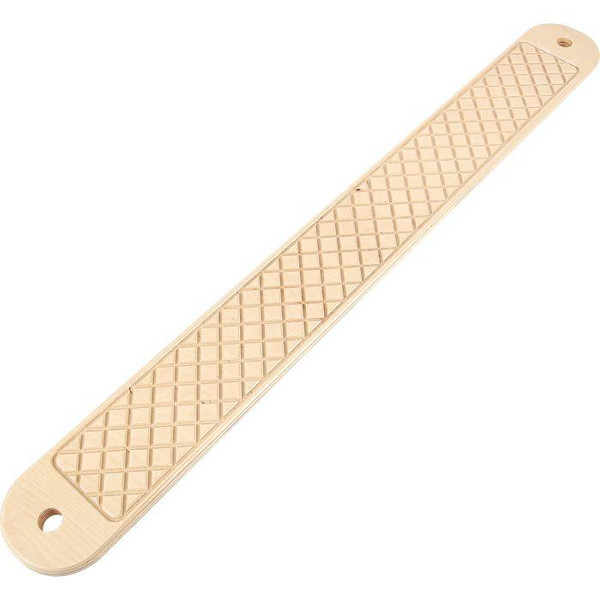
Big Check Balance Board
PS-MB092976Sale $56.58$62.73Big Check Balance Board - Sensory Balance Trainer for Coordination Play The Big Check Balance Board turns movement into fun skill building. This balance board system supports balance skills with a... -

 - 10%- 10%
Circles Balance Board
PS-MB092974Sale $56.58$62.73Circles Balance Board - Sensory Balance Trainer for Coordination Skills The Circles Balance Board makes movement fun and engaging. This balance board system supports balance skills with a smooth,... -
 - 24%Made in USA- 24%Made in USA
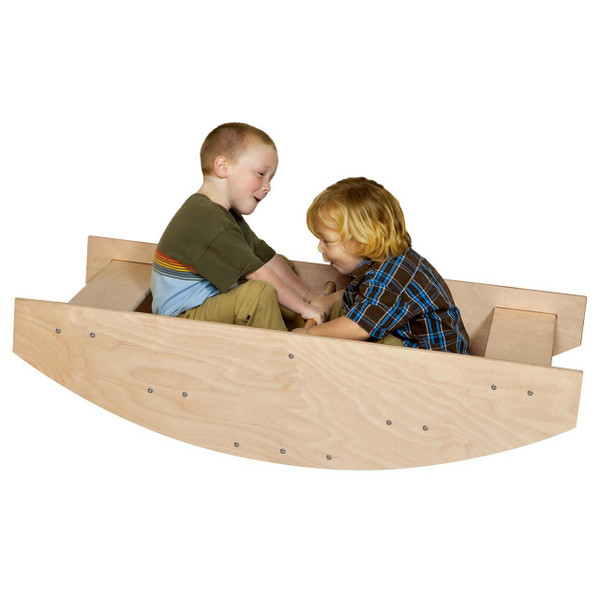
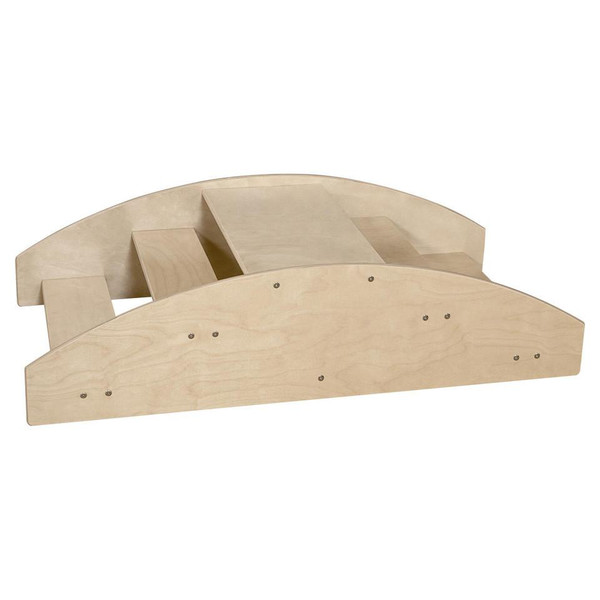
Contender Rock-A-Boat Climber, RTA
WD-C12000Sale $450.58$589.00Contender Rock-A-Boat Climber - Balance and Coordination Play for Toddlers The Contender Rock-A-Boat Climber delivers two exciting play experiences in one compact design. This versatile gross motor... -
 - 10%- 10%
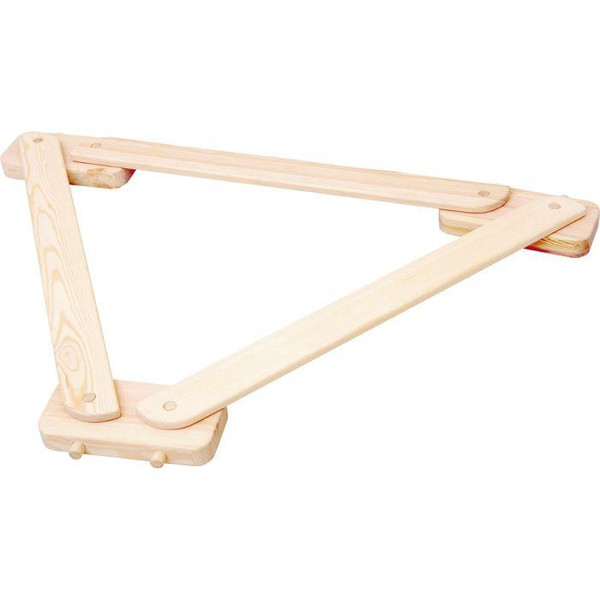
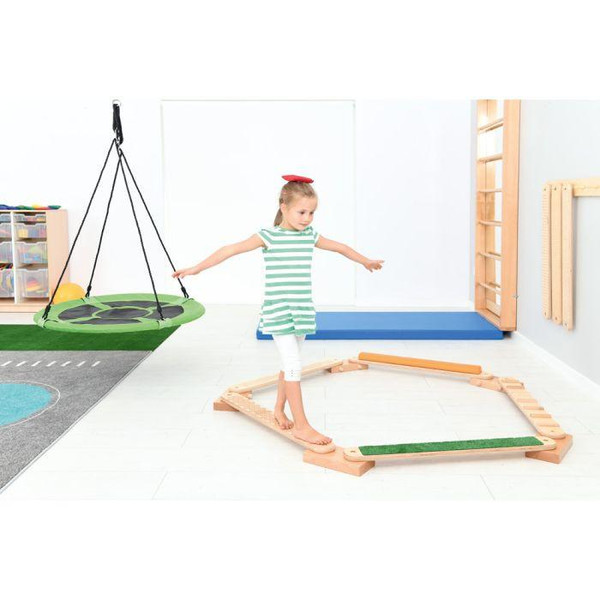
Footbridge Balance Board Set
PS-MB126008Sale $183.54$203.49Footbridge Balance Board Set - Modular Balance Trainer for Coordination Play The Footbridge Balance Board Set creates a full path for active play. This balance board system supports balance training... -
 - 10%- 10%
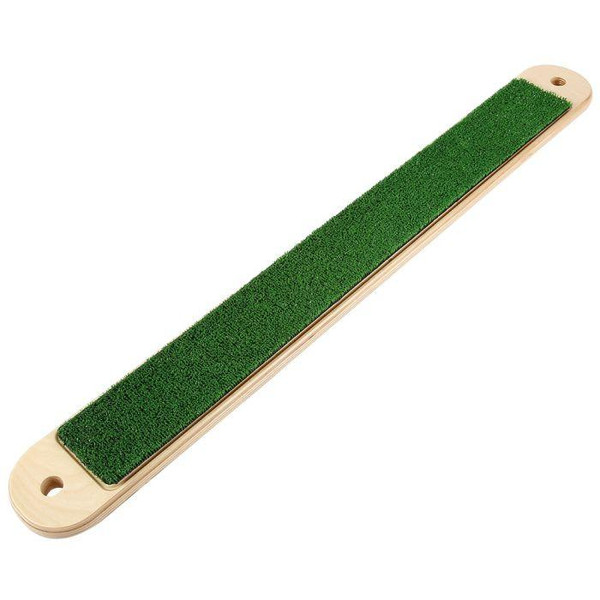
Grass Balance Board
PS-MB092978Sale $56.58$62.73Grass Balance Board - Sensory Balance Trainer for Tactile Play The Grass Balance Board brings texture and movement together. This balance board system supports sensory play with a soft grass surface... -

 - 10%- 10%
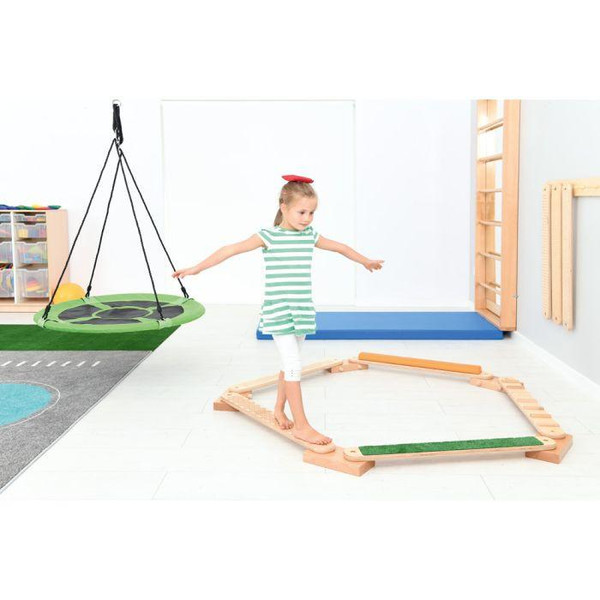
Pillow Balance Board
PS-MB092979Sale $64.86$71.91Pillow Balance Board - Sensory Balance Trainer for Gentle Stability Play The Pillow Balance Board offers soft and safe movement play. This balance board system supports sensory balance training with... -
 - 10%- 10%
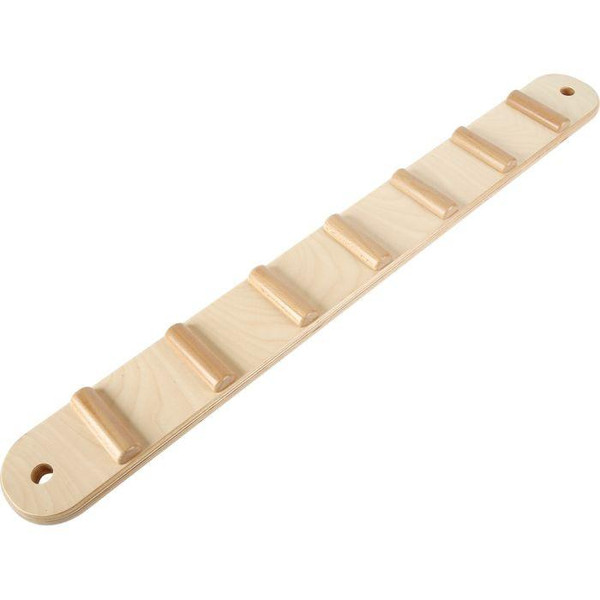
Rollers Balance Board
PS-MB092977Sale $70.38$78.03Rollers Balance Board - Sensory Balance Trainer for Active Play The Rollers Balance Board adds movement and challenge to play. This balance board system supports balance skills with a rolling... -

 - 10%- 10%
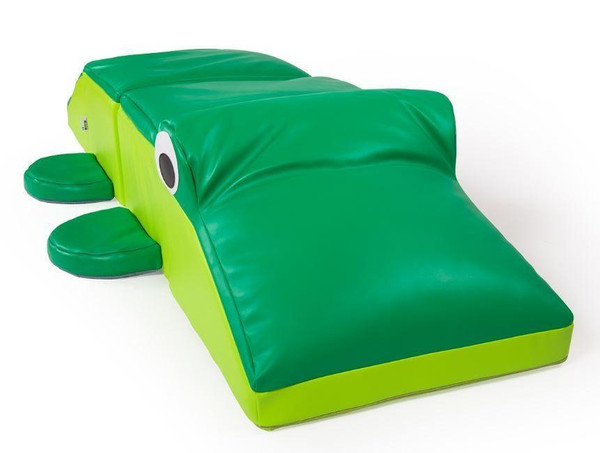
Sensory Crocodile Soft Play Cushion
PS-MB855384Sale $481.62$533.97Sensory Crocodile Soft Play Cushion - Balance Play for Sensory Exploration Encourage movement and discovery with the Sensory Crocodile Soft Play Cushion. This fun sensory play path lets kids crawl,... -
 - 10%- 10%
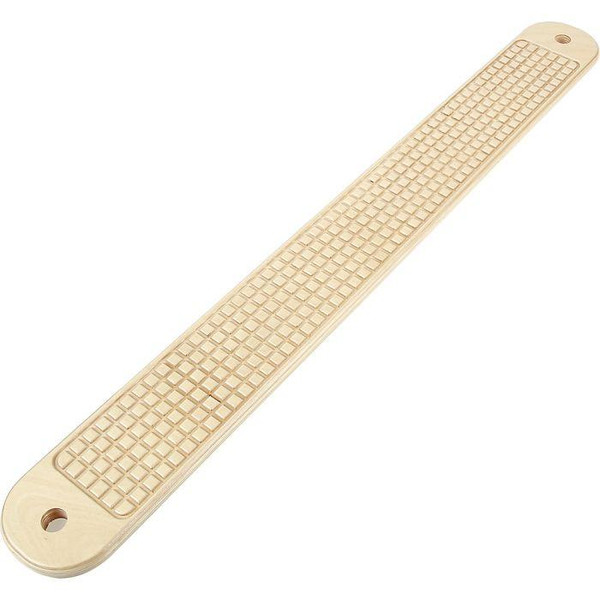
Small Check Balance Board
PS-MB092975Sale $56.58$62.73Small Check Balance Board - Sensory Balance Trainer for Motor Skills The Small Check Balance Board helps children move and learn through play. This balance board system supports balance skills with... -

 - 10%- 10%
Snake Balance Board
PS-MB092972Sale $56.58$62.73Snake Balance Board - Sensory Balance Trainer for Coordination Play The Snake Balance Board turns movement into fun learning. This balance board system supports balance skills with a textured path... -
 - 5%Made in USA- 5%Made in USA
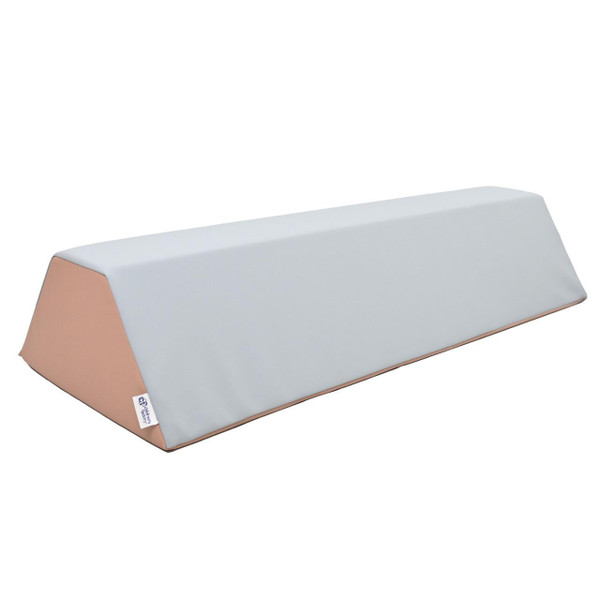
Soft Balance Beam, Elements
CF805-349Sale $183.15$193.33Elements Soft Balance Beam - Preschool Balance & Coordination Play Help young children build balance and confidence with the Elements Soft Balance Beam! This preschool foam balance beam features a... -

 - 5%Made in USA- 5%Made in USA
Soft Balance Beam, Tranquility
CF805-350Sale $183.15$193.33Tranquility Soft Balance Beam - Preschool Balance & Coordination Play Help little ones build balance and confidence with the Tranquility Soft Balance Beam! This preschool foam balance beam features... -

 - 5%Made in USA- 5%Made in USA
Soft Balance Beam, Woodland
CF805-348Sale $183.15$193.33Woodland Soft Balance Beam - Preschool Balance & Coordination Play Help little ones build balance and confidence with the Woodland Soft Balance Beam! This preschool foam balance beam features a... -
 - 10%- 10%
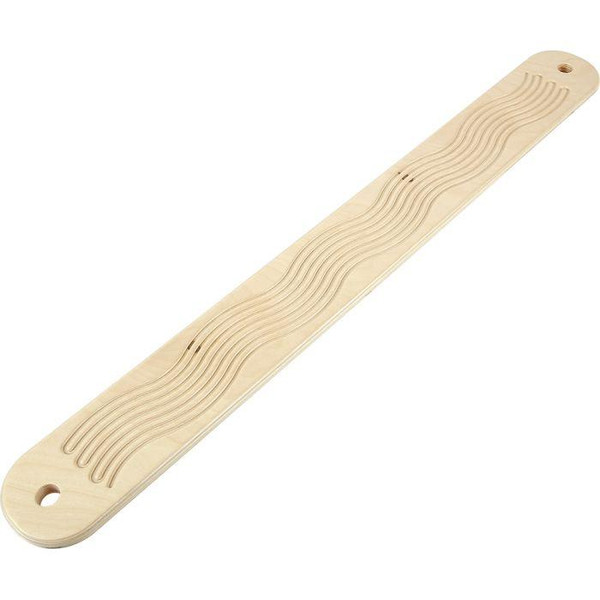
Wave Balance Board
PS-MB092973Sale $56.58$62.73Wave Balance Board - Sensory Balance Trainer for Coordination Play The Wave Balance Board brings movement and learning together. This balance board system supports balance skills with a flowing wave...
Balance Training Activities That Support Active Learning
Balance activities help children develop essential movement skills through hands-on exploration. Whether incorporated into classroom movement breaks, sensory activities, or structured obstacle courses, balancing equipment encourages children to challenge their abilities while building physical confidence.
Educational & Developmental Benefits
Balancing activities support physical development by encouraging children to control their movements, adjust their posture, and navigate different challenges.
-
Balance & Stability: Improve body control.
-
Core Strength: Engage muscles supporting posture.
-
Coordination: Develop smoother, controlled movements.
-
Motor Planning: Practice movement sequences.
-
Body Awareness: Explore position and direction.
-
Confidence: Encourage independent physical exploration.
Ideal for Preschools, Daycares & Therapy Spaces
Children's balance equipment can enhance a variety of learning environments.
Preschools and daycares can incorporate balancing activities into gross motor play, while elementary classrooms can use them for supervised movement breaks. Occupational and physical therapy settings may also use appropriate equipment to support individualized movement goals.
Balancing activities can be incorporated into indoor obstacle courses, movement stations, and group games, encouraging children to explore physical challenges at their own pace.
For additional movement opportunities, explore our indoor play equipment.
Choosing Balance Equipment for Children
Consider children's ages, abilities, and experience with balancing activities. Younger or less experienced children may benefit from lower, more stable challenges, while confident movers may enjoy activities requiring greater coordination.
Evaluate available floor space, weight limits, surface requirements, and supervision needs. Equipment should match the intended age group and be used according to manufacturer safety guidelines.
For complementary movement activities, browse our soft play equipment.
Frequently Asked Questions
How do balance activities support child development?
They encourage coordination, core stability, body awareness, and motor planning through controlled movement.
Are balance activities appropriate for preschoolers?
Yes, when equipment is age-appropriate and activities are supervised according to manufacturer recommendations.
Can balancing equipment be used in sensory play?
Yes. Movement and changing body positions provide vestibular and proprioceptive sensory input.
Can balance activities be incorporated into classrooms?
Yes. They can be included in supervised movement breaks, obstacle courses, and gross motor learning stations.