Autism and Visual Tracking: The Benefits of Translucent Light Table Play
Table of Contents
- If your child struggles with focus during therapy sessions, the solution might be simpler than you think. Research shows children with autism and ADHD demonstrate remarkable improvements in attention span when one specific element is added to their learning environment.
- Key Takeaways
- How Light Tables Transform Visual Tracking Development
- Essential Translucent Manipulatives for Therapeutic Success
- Clinical Benefits for Autism and ADHD Populations
- Light Table Technology Features for Therapy Settings
- Proven Activities That Strengthen Fine Motor Skills
- Evidence-Based Outcomes in Pediatric Therapy Practice
- Professional-Grade Light Tables Support Therapeutic Goals
- FAQs
If your child struggles with focus during therapy sessions, the solution might be simpler than you think. Research shows children with autism and ADHD demonstrate remarkable improvements in attention span when one specific element is added to their learning environment.
Key Takeaways
- Light tables with translucent manipulatives significantly improve visual tracking skills by illuminating subtle details and creating vivid color contrasts that naturally draw children's attention
- Children with autism and ADHD show improved focus and sensory regulation when using controlled illumination from LED light tables with adjustable brightness features
- Specific translucent tools like pattern blocks, counters, and linking cubes target different developmental goals from visual discrimination to hand-eye coordination
- Professional-grade light tables with height adjustment and specialized features support therapeutic outcomes in clinical settings
- Evidence-based activities combining precision grasping and motor control exercises strengthen fine motor skills through engaging illuminated play
Visual tracking development forms the foundation of reading, writing, and spatial awareness skills that children need for academic success. Light tables transform traditional therapy approaches by creating an illuminated environment where translucent manipulatives become the focal point of targeted interventions.
How Light Tables Transform Visual Tracking Development
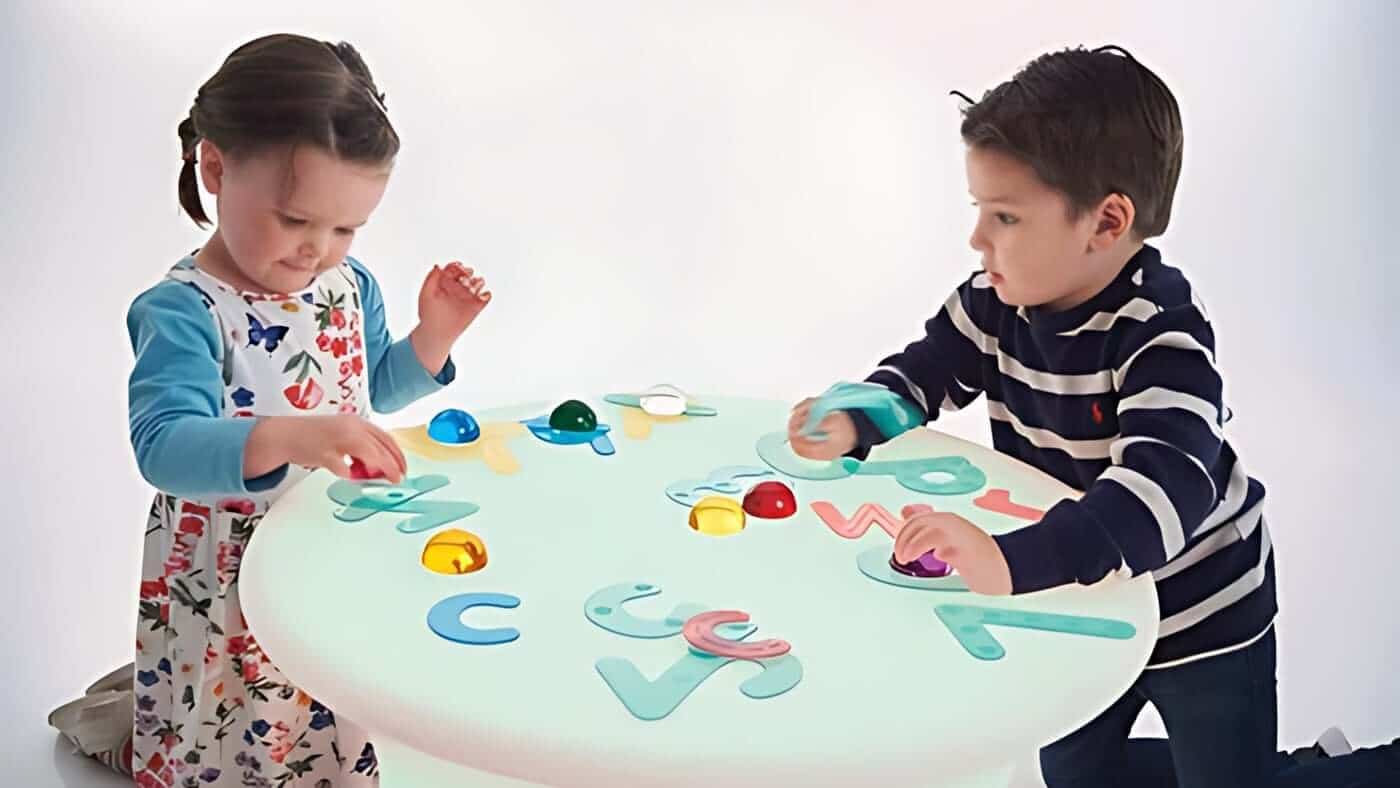
Light tables revolutionize visual tracking development by making subtle visual details dramatically more apparent through controlled illumination. The bright, even light source underneath translucent materials creates enhanced contrast that naturally draws children's eyes across the surface, promoting smooth visual tracking movements needed for reading and writing skills.
The illuminated surface makes colors and shapes more vivid, significantly improving visual discrimination abilities. Children can easily distinguish between different hues, patterns, and translucent qualities that might be challenging to differentiate on regular surfaces. This enhanced visual clarity helps develop the foundational skills needed for letter recognition, shape identification, and spatial relationships.
Light tables are inclusive by design, and their high-contrast glow can captivate learners of every ability, including children with special educational needs like Cortical Visual Impairment, potentially increasing motivation and engagement by making objects more visually accessible. Little People's Cove specializes in therapy-ready light tables designed specifically for pediatric therapy environments, offering the controlled illumination necessary for effective visual tracking interventions.
Essential Translucent Manipulatives for Therapeutic Success
Selecting the right translucent manipulatives maximizes therapeutic outcomes by targeting specific developmental areas through purposeful play. Each type of manipulative offers unique benefits for visual tracking, fine motor development, and cognitive growth when used on illuminated surfaces.
1. Pattern Blocks for Visual Discrimination
Pattern blocks create exceptional opportunities for visual discrimination training when placed on light tables. The illuminated geometric shapes help children distinguish between subtle differences in angles, sizes, and colors while building spatial reasoning skills. Therapists can create graduated challenges by arranging blocks in increasingly complex patterns that require sustained visual attention and systematic scanning techniques.
2. Translucent Counters for Visual Tracking Support
Translucent counters serve as perfect tools for developing smooth pursuit eye movements and visual tracking skills. Children can practice following moving objects across the illuminated surface, counting sequences, and organizing materials by color or size. The enhanced visibility from the light source below makes tracking movements easier for children with visual processing challenges.
3. Linking Cubes for Hand-Eye Coordination
Linking cubes combine visual tracking with fine motor coordination as children connect pieces while maintaining visual focus. The translucent quality allows light to pass through connected structures, creating beautiful color combinations that maintain engagement while building hand-eye coordination skills. These activities contribute to fine motor development, which is foundational for writing development.
Color Wheel Squares for Light Tables - Set of 6
$69.00
Color Wheel Squares for Light Tables - Shape Learning Tiles for Sensory Play Make learning bright and fun with the 6 Color Wheel Squares for… read more
Shop Now!
Clinical Benefits for Autism and ADHD Populations
Children with autism and ADHD demonstrate remarkable improvements in attention, focus, and sensory regulation when engaging with light table activities. The controlled sensory input provides the right amount of visual stimulation without overwhelming developing nervous systems.
Sensory Regulation Through Controlled Illumination
The soft, glowing surface of light tables helps reduce overstimulation while promoting calming, focused attention. This controlled illumination creates an optimal sensory environment for children who struggle with sensory processing challenges. The predictable visual input allows children to regulate their arousal levels and maintain organized behavior during therapy sessions.
Enhanced Focus and Attention Span
Light tables naturally extend attention spans by creating an engaging focal point that holds children's interest. The illuminated materials become inherently more interesting than traditional manipulatives, leading to longer periods of sustained attention. This increased focus translates directly into improved therapeutic outcomes and skill acquisition.
Light Table Technology Features for Therapy Settings
Modern light tables incorporate advanced features specifically designed for therapeutic environments. Understanding these technological capabilities helps therapists select equipment that meets diverse client needs and clinical requirements.
LED Brightness and Color Adjustment Capabilities
Advanced LED light tables with color-changing capabilities can be used for sensory learning, offering a dynamic visual experience. While color can influence mood, therapists can adjust brightness levels to meet individual sensory needs. These adjustments help accommodate sensory preferences while maintaining therapeutic focus.
Height-Adjustable and Portable Options
Height-adjustable light tables contribute to inclusive therapy environments by accommodating various user needs and therapeutic positions. Portable tabletop options provide flexibility for home-based therapy or small clinic spaces. Ultra-thin LED pads offer lightweight alternatives that therapists can move from desk to floor settings, adapting to various therapeutic positions and activities.
Sand and Water Integration Systems
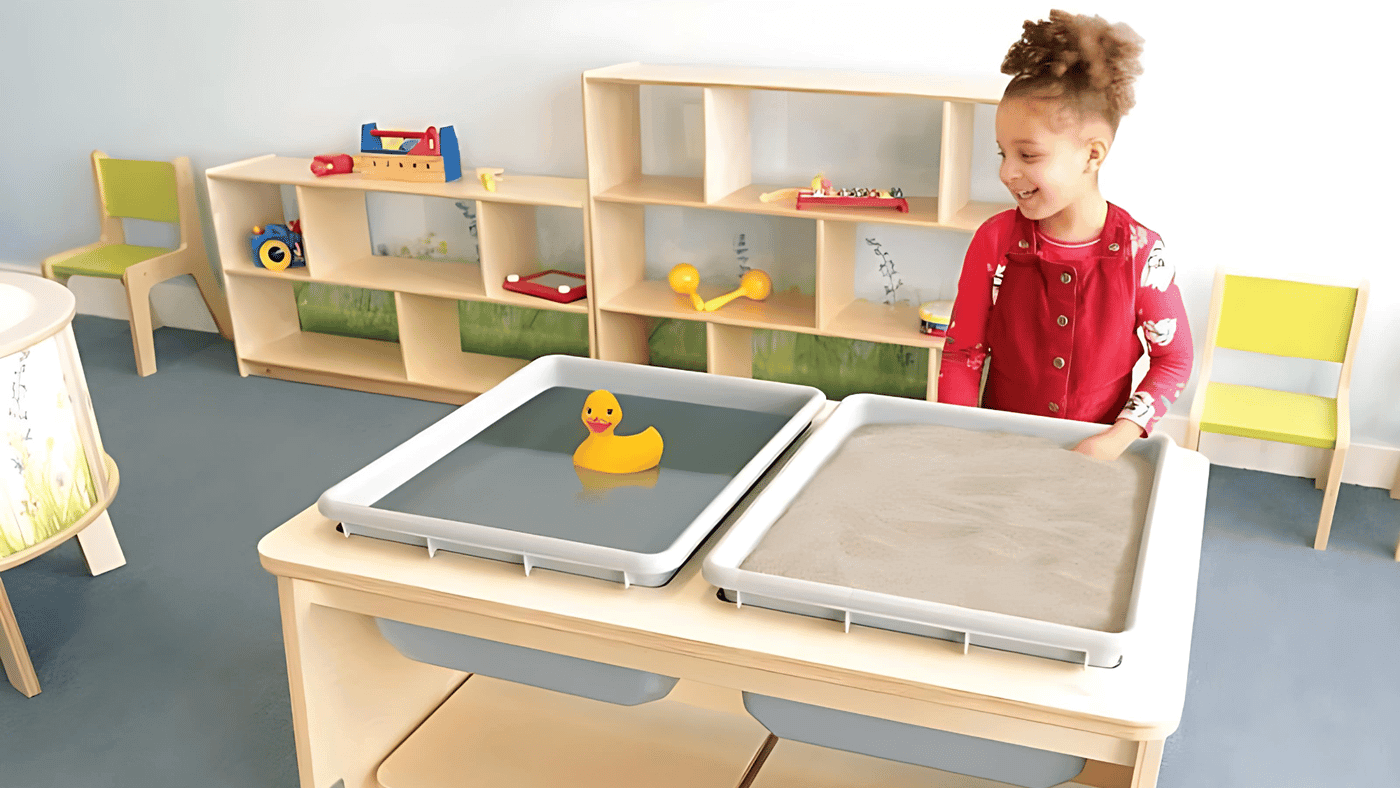
Some specialized sensory tables feature deep, transparent basins for sand and water play, and these can be combined with illumination to create multi-sensory experiences. While light tables can be used with translucent materials for sensory play, the integration of deep basins is typically a feature of dedicated sensory tables that combine tactile and visual sensory input, supporting children who need intense sensory input for optimal regulation.
Sand Box For Kid's Light Tables
$169.00
Sand Box for Light Tables - Sensory Sand Tray for Creative Play Add a new layer of fun with the Sand Box for Kid’s Light… read more
Shop Now!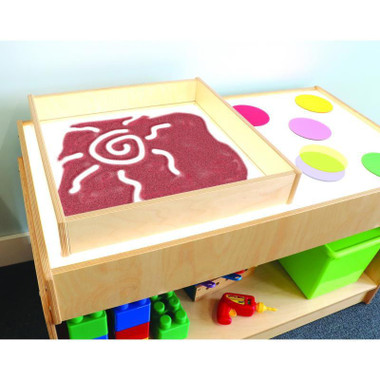
Proven Activities That Strengthen Fine Motor Skills
Specific light table activities target fine motor development through engaging, illuminated play experiences. These evidence-based interventions combine visual appeal with motor skill challenges to maximize therapeutic effectiveness.
Precision Grasping with Tweezers and Small Objects
Manipulating small translucent objects on light tables builds precision grasping skills needed for writing and self-care tasks. Tools such as tweezers are often employed in these activities to further develop fine motor control. The enhanced visibility from illumination makes small objects easier to target, reducing frustration while building confidence in fine motor abilities. Light table activities support the development of precise motor control needed for academic tasks.
Tracing and Drawing for Motor Control
Tracing activities on light tables provide high-contrast visual feedback that guides motor learning. Children can place tracing sheets over the illuminated surface, making lines and shapes clearly visible for accurate reproduction. This visual clarity helps establish proper motor patterns while building the foundational skills needed for handwriting development.
Evidence-Based Outcomes in Pediatric Therapy Practice
Clinical research consistently demonstrates significant improvements in multiple developmental areas when light tables are incorporated into pediatric therapy practice. Children show measurable gains in visual tracking abilities, sustained attention, fine motor precision, and sensory regulation skills.
Therapists report that light table activities increase session engagement and reduce behavioral challenges commonly seen with traditional therapy approaches. The naturally motivating environment created by illuminated materials leads to improved cooperation and willingness to attempt challenging tasks. These positive and engaging experiences can build confidence and foster a positive attitude towards learning, contributing to future educational success.
Skills developed through light table activities, such as visual tracking, attention, and fine motor control, are highly relevant to classroom environments and academic readiness, highlighting the functional value of this therapeutic approach. Children transfer skills learned on light tables to classroom environments, demonstrating improved academic readiness, visual processing abilities, and better sensory self-regulation skills.
Professional-Grade Light Tables Support Therapeutic Goals
Professional-grade light tables differ significantly from consumer versions in durability, features, and therapeutic design considerations. Clinical models withstand intensive daily use while providing consistent illumination and safety features required for therapeutic environments.
Key professional features of light tables include durable materials and stable bases for safety and longevity. Easy-to-clean surfaces are also important for therapeutic environments. Investment in quality equipment ensures reliable therapeutic tools that support consistent intervention delivery and positive outcomes.
Find therapy-ready light table solutions designed specifically for pediatric therapy environments at Little People's Cove, where therapy-ready tools support meaningful developmental progress.
FAQs
How can translucent light table play support therapy goals for children with autism?
Translucent light table play can support visual tracking, visual attention, fine motor coordination, and sensory regulation. Therapists often use it as a structured, motivating activity that helps children practice skills while staying engaged
What therapeutic benefits does a light table offer in a session?
A light table can provide calming, predictable visual input while also encouraging exploration, tracing, matching, sorting, and pattern recognition. That combination makes it useful for both regulation and skill-building in occupational, speech, and early intervention settings.
Why do therapists use translucent materials instead of opaque toys?
Translucent materials let light pass through, which increases contrast and makes shapes, colors, and movement easier to see. That extra visual clarity can help children notice details, follow objects more easily, and stay focused on the task.
What skills can therapists target with light table activities?
Therapists can target eye tracking, hand-eye coordination, bilateral coordination, sorting, matching, pre-writing skills, and language concepts like color, position, and size. The activity can be adjusted for a child’s developmental level, making it flexible for individual therapy goals.
Can light table play be calming for children who are easily overstimulated?
Yes. Many therapists use light tables because the soft, steady glow can feel more organized and less overwhelming than busy visual environments. When introduced gradually and matched to the child’s sensory needs, it can be a helpful tool for supporting regulation and focus.