


Create functional, welcoming learning environments with our classroom and daycare furniture. Explore preschool classroom storage, room dividers, coat cubbies, childcare buggies, and mobile handwashing stations designed for schools, daycares, and early learning centers. Find practical solutions to organize supplies, define activity areas, simplify daily routines, and make the most of your classroom space.
Products List
-

 - 15%- 15%
Mobile Art Supply Cart
$459.00$537.03Mobile Art Supply Cart - Rolling Classroom Storage Organizer The Mobile Art Supply Cart keeps busy classrooms neat and ready for creativity. This sturdy rolling art storage cart for classrooms holds... -

 - 5%Made in USA- 5%Made in USA
Mobile Bookshelf Cabinet 24H
$436.43$460.67Mobile Shelf Cabinet 24H - Rolling Classroom Storage Keep classroom essentials organized with the Mobile Shelf Cabinet 24H! This versatile 24-inch-high storage cabinet features a fixed bottom shelf... -

 - 5%Made in USA- 5%Made in USA
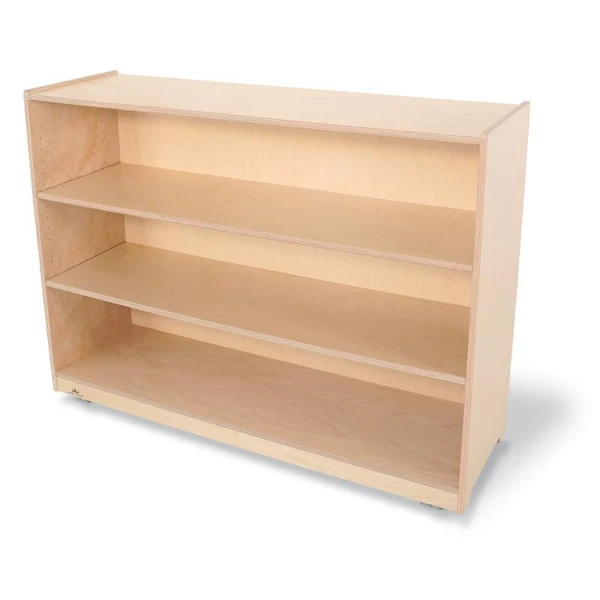
Mobile Bookshelf Cabinet 30H
$485.03$511.97Mobile Bookshelf Cabinet 30"H - Rolling Classroom Book & Supply Storage Keep books, toys, and classroom materials organized with the Mobile Bookshelf Cabinet 30"H! Made from durable birch plywood... -

 - 5%Made in USA- 5%Made in USA
Mobile Bookshelf Cabinet 36H
$533.63$563.27Mobile Bookshelf Cabinet 36"H - Rolling Classroom Book & Supply Storage Keep books, toys, and learning materials neatly organized with the Mobile Bookshelf Cabinet 36"H! Designed for busy... -

 - 5%Made in USA- 5%Made in USA
Mobile Bookshelf Cabinet 42H
$718.31$758.21Mobile Shelf Storage Cabinet 42"H - Rolling Classroom Storage with Adjustable Shelves Keep classroom supplies organized and easy to access with the Mobile Shelf Storage Cabinet 42"H! Designed for... -

 - 5%Made in USA- 5%Made in USA
Mobile Bookshelf Cabinet 48H
$728.03$768.48Mobile Bookshelf Cabinet 48H - Rolling Classroom Storage Keep books, toys, and classroom supplies organized with the Mobile Bookshelf Cabinet 48H! This versatile 48-inch-tall storage cabinet... -

 - 5%Made in USA- 5%Made in USA
Mobile Bookshelf Cabinet 54H
$864.11$912.11Mobile Bookshelf Cabinet 54"H - Tall Classroom Storage with Adjustable Shelves Maximize classroom storage with the Mobile Bookshelf Cabinet 54"H! This spacious rolling classroom storage cabinet... -

 - 7%10yr Warranty- 7%10yr Warranty
Mobile Classroom Backpack Cart
$1,471.08$1,577.68Classroom Backpack Cart - Mobile Storage Solution for Organized Learning Spaces The Classroom Backpack Cart keeps busy classrooms tidy, efficient, and ready for the day. Designed for classroom... -

 - 5%Made in USA- 5%Made in USA
Mobile Double-Sided Storage 30"H - Assembled
$742.50$783.75Modern spaces need versatile and mobile storage solutions, and this unit delivers just that. With rounded corners for safety and kick plates to prevent items from rolling underneath, it’s designed... -
 - 11%Made in USA- 11%Made in USA
Mobile Library Bookcase - 2 Sections
$582.76$651.32The Mobile Library Bookcase - 2 Sections by Jonti-Craft is an exceptional addition to any educational or home setting. With its innovative design and superior construction, this bookcase offers... -
 - 11%Made in USA- 11%Made in USA
Mobile Library Bookcase - 4 Sections
$1,125.57$1,257.99Mobile Library Bookcase - 4-Section Folding Book Display Create an inviting reading space with the Mobile Library Bookcase – 4 Sections! This folding library book display features 32 shelves and 64... -
 - 11%Made in USA- 11%Made in USA
Mobile Storage Island - Twin - with Trays
$1,382.78$1,545.46Twin Mobile Storage Island - Classroom Activity Table with Storage Create a versatile workspace for hands-on learning with the Twin Mobile Storage Island! This double-sided classroom activity table... -
 - 11%Made in USA- 11%Made in USA
Mobile Storage Island with Trays
$1,204.79$1,346.53Mobile Classroom Island - Double-Sided Storage and Worktable Create a flexible learning space with the Mobile Classroom Island! This double-sided classroom storage unit combines a spacious,... -

 - 5%Made in USA- 5%Made in USA
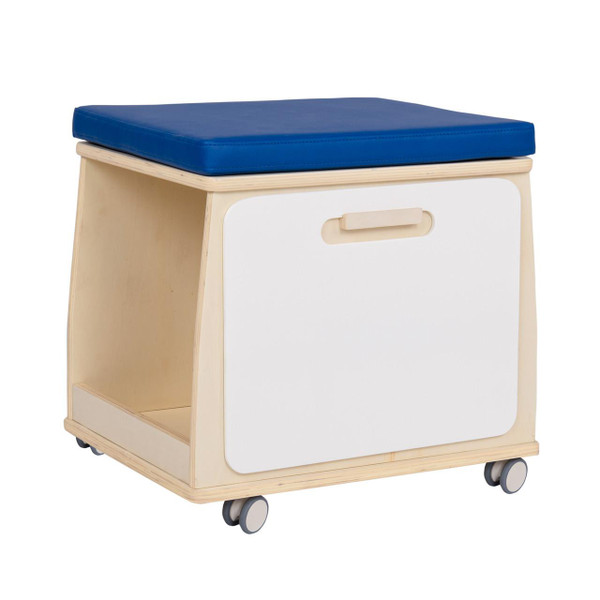
Mobile Teacher Stool - Assembled
$371.25$391.88Mobile Teacher’s Stool With Storage - Rolling Teacher Stool For Classroom Efficiency Mobile Teacher’s Stool With Storage gives teachers a smart way to sit, move, and stay organized. This Rolling... -
 - 5%Made in USA- 5%Made in USA
Mobile Teacher Stool - RTA
$297.00$313.50Mobile Teacher Stool With Storage - Rolling Teacher Stool For Classroom Organization Mobile Teacher Stool With Storage - Ready To Assemble gives teachers a smart and mobile place to sit and store... -

 - 5%Made in USA- 5%Made in USA
Mobile Teacher's Locking Storage Cabinet - RTA
$990.00$1,045.00Premium Birch Teacher Storage Cabinet - Secure Classroom Organization Solution Premium Birch Teacher Storage Cabinet offers strong, safe, and smart storage for any space. This lockable classroom... -

 - 5%Made in USA- 5%Made in USA
Nature View Acrylic Back Storage Cabinet 24"H
$689.00$729.00Nature View Acrylic Back Storage Cabinet 24"H - Classroom Storage with Visibility Create a bright and organized space with the Nature View Acrylic Back Storage Cabinet 24" H. This nature-inspired... -

 - 4%Made in USA- 4%Made in USA
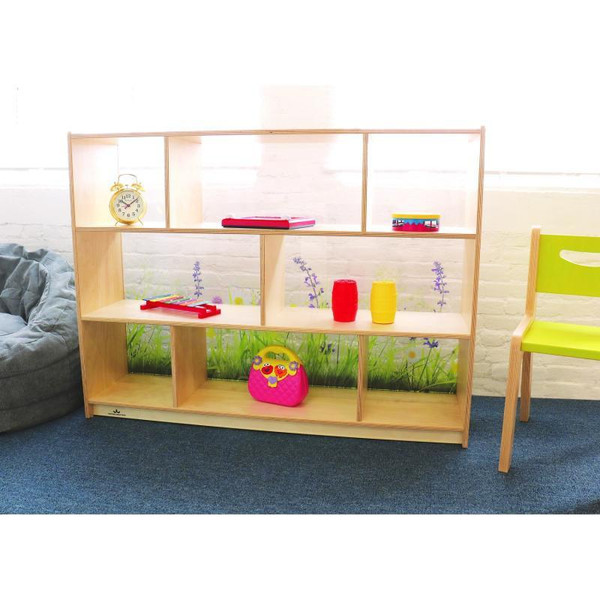
Nature View Acrylic Back Storage Cabinet 30"H
$719.00$749.00Nature View Acrylic Back Storage Cabinet 30"H - Tall Classroom Organizer with Visibility Keep your space neat and open with the Nature View Acrylic Back Storage Cabinet 30"H. This nature-inspired... -

 - 4%Made in USA- 4%Made in USA
Nature View Acrylic Back Storage Cabinet 36"H
$759.00$789.00Nature View Acrylic Back Storage Cabinet 36"H - Tall Divider Storage Solution Keep your space open and organized with the Nature View Acrylic Back Storage Cabinet 36" H. This nature-inspired... -

 - 9%Made in USA- 9%Made in USA
Nature View Component Connector
$79.00$86.98Nature View Component Connector - Secure Panel Connection Solution Build a flexible layout with the Nature View Component Connector. This classroom divider connector lets you join panels and...
Benefits of Classroom & Daycare Furniture for Organized Learning Environments
Classroom and daycare furniture plays an important role in creating functional spaces where children can learn, explore, and participate in daily activities. From classroom storage cabinets to room dividers and childcare transportation equipment, the right furnishings help educators manage busy learning environments.
Our collection of preschool classroom furniture offers practical solutions for daycares, childcare centers, preschools, elementary schools, and early learning programs.
Why Choose Our Classroom & Daycare Furniture?
-
Better Organization: Keeps classroom supplies accessible.
-
Flexible Layouts: Defines different learning zones.
-
Daily Efficiency: Simplifies classroom routines.
-
Space Management: Makes better use of floor space.
-
Independent Learning: Encourages age-appropriate responsibility.
-
Versatile Solutions: Accommodates changing classroom needs.
Organize Supplies with Classroom Storage Solutions
An organized classroom helps teachers spend less time searching for materials and more time supporting children.
Classroom storage solutions include cabinets, cubbies, shelving, and toy organizers for books, art supplies, educational games, and personal belongings.
Consider a combination of open storage for frequently used items and enclosed storage for supplies that require teacher supervision.
Create Learning Zones with Classroom Room Dividers
Classroom room dividers help separate larger spaces into designated areas for reading, creative activities, quiet time, and group learning.
Depending on the design, dividers may feature bookshelves, sensory activity panels, transparent sections, or sound-absorbing materials.
These options allow educators to establish recognizable learning areas while maintaining appropriate supervision and classroom circulation.
Support Daily Routines in Daycare Centers
Daycare operations involve frequent transitions between arrival, activities, outdoor time, meals, and cleanup.
Coat lockers and cubbies provide designated places for children's belongings, while mobile handwashing stations offer additional handwashing locations where appropriate.
Childcare buggies and strollers can support supervised transportation for group outings, subject to each product's capacity and usage guidelines.
Design Preschool Classrooms for Different Ages
Early childhood furniture should reflect the ages, sizes, and developmental abilities of the children using it.
Lower storage units may improve access for younger children, while larger classrooms may benefit from mobile organizers and flexible dividers.
Consider sightlines, accessibility, traffic patterns, and the activities planned for each learning area.
Choosing Commercial Daycare Furniture
When purchasing commercial daycare furniture, compare overall dimensions, materials, cleaning requirements, assembly instructions, and manufacturer recommendations.
For mobile equipment, review wheel or caster features and intended operating conditions. For room dividers, check installation requirements and stability guidance.
Choose products based on your facility's daily use, available space, and applicable childcare requirements.
Explore Classroom & Daycare Essentials
Find Classroom Dividers for organizing activity areas, Classroom Storage for managing supplies, and Kids Furniture for additional tables, chairs, and learning furnishings.
Frequently Asked Questions About Classroom & Daycare Furniture
What furniture does a preschool classroom need?
Common essentials include child-sized tables and chairs, accessible storage, cubbies for personal belongings, and furniture that defines learning areas. Specific needs depend on enrollment, age groups, and classroom activities.
How can I organize a small daycare classroom?
Use appropriately sized storage cabinets, wall-adjacent shelving, and flexible room dividers to establish activity zones. Keep frequently used supplies accessible and maintain clear pathways.
What should I look for when buying daycare furniture?
Prioritize appropriate dimensions, construction, cleaning requirements, and manufacturer guidance. Consider how frequently the furniture will be used and whether it supports your facility's supervision and accessibility needs.