


Discover dramatic pretend play furniture and toys that encourage storytelling, role-playing, and social interaction. From play kitchens and dress-up centers to puppet theaters and workbenches, these engaging activities help preschoolers explore everyday experiences while building communication and creative thinking skills.
Products List
-

 - 16%Quick Ship- 16%Quick Ship
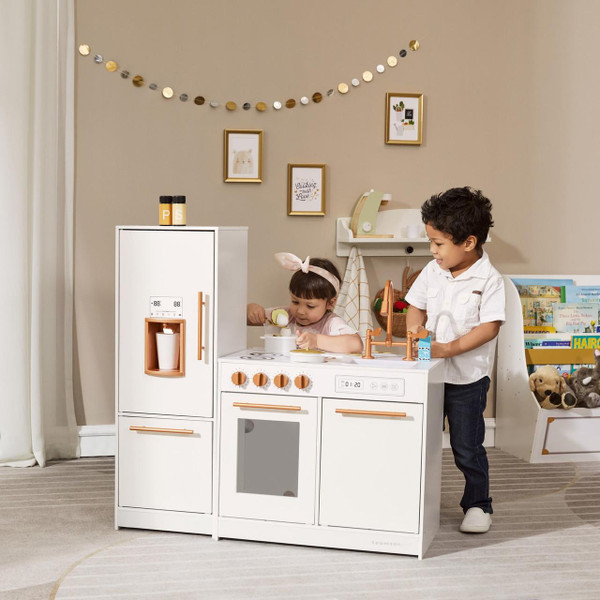
Little Chef Mayfair Classic White Kids Kitchen Playset
$209.99$249.99Little Chef Mayfair Classic White Kids Kitchen Playset - Interactive Cooking Bring classic style and hands-on cooking adventures to playtime with the Little Chef Mayfair Classic White Kids Kitchen... -

 - 19%Quick Ship- 19%Quick Ship
Little Chef Milano Two-Piece Modular Modern Delight Play Kitchen Set
$219.99$269.99Little Chef Milano Two-Piece Modular Play Kitchen - Rose Gold Bring modern style and imaginative cooking fun to playtime with the Little Chef Milano Two-Piece Modular Modern Delight Play Kitchen!... -

 - 18%Quick Ship- 18%Quick Ship
Little Chef Palm Springs Play Kitchen with Cookware
$188.99$229.99Little Chef Palm Springs Retro Play Kitchen with Cookware Bring retro charm and interactive cooking fun to playtime with the Little Chef Palm Springs Play Kitchen with Cookware! Featuring a stylish... -

 - 18%Quick Ship- 18%Quick Ship
Little Chef Paris Complete Kitchen Playset
$229.99$279.99Little Chef Paris Classic Kids Kitchen Playset - White and Rose Gold Bring stylish pretend cooking to playtime with the Little Chef Paris Classic Kids Kitchen Playset! This elegant three-piece... -

 - 12%Quick Ship- 12%Quick Ship
Little Chef Upper East Retro Play Kitchen with Effects
$288.99$329.99Little Chef Upper East Retro Play Kitchen - L Shaped Pretend Kitchen Bring the fun of cooking and baking to children's playtime with the Little Chef Upper East Retro Play Kitchen! This stylish... -

 - 13%Quick Ship- 13%Quick Ship
Little Chef Westchester Ivory Retro Play Kitchen
$268.99$309.99The Little Chef Westchester Ivory Retro Play Kitchen has metallic accents and is great for both boys and girls and completes any home, classroom, preschool, or daycare playroom. Features openable... -

 - 13%Quick Ship- 13%Quick Ship
Little Chef Westchester Mint Retro Play Kitchen
$274.99$314.99Little Chef Westchester Mint Retro Play Kitchen - Interactive Cooking & Imaginative Play Bring retro charm and hands-on cooking fun to playtime with the Little Chef Westchester Mint Retro Play... -

 - 13%Quick Ship- 13%Quick Ship
Little Chef Westchester Retro Pink Play Kitchen
$268.99$309.99Little Chef Westchester Retro Pink Play Kitchen - Creative Pretend Cooking Fun Bring vintage charm and imaginative cooking fun to playtime with the Little Chef Westchester Retro Pink Play Kitchen!... -

 - 17%Made in USA- 17%Made in USA
Maple Heritage Play Appliances Set of 4
$2,151.18$2,581.41Maple Heritage Play Appliance Set - Complete Wooden Kitchen Set for Dramatic Play The Maple Heritage Play Appliance Set gives children everything they need to create a realistic kitchen experience... -

 - 17%Made in USA- 17%Made in USA
Maple Heritage Play Hutch
$570.18$684.21Maple Heritage Play Hutch - Wooden Kitchen Storage Center for Dramatic Play The Maple Heritage Play Hutch gives children extra space to organize pretend dishes, food, and kitchen supplies during... -

 - 17%Made in USA- 17%Made in USA
Maple Heritage Play Range
$549.78$659.73Maple Heritage Play Range - Wooden Dramatic Play Kitchen for Creative Role Play Bring realistic kitchen fun to your learning space with the Maple Heritage Play Range. This beautiful wooden play... -

 - 17%Made in USA- 17%Made in USA
Maple Heritage Play Refrigerator
$559.98$671.97Maple Heritage Play Refrigerator - Dramatic Play Kitchen Storage for Imaginative Learning The Maple Heritage Play Refrigerator gives children a realistic place to store pretend food and kitchen... -

 - 17%Made in USA- 17%Made in USA
Maple Heritage Play Sink
$549.78$659.73Maple Heritage Play Sink - Wooden Dramatic Play Kitchen Sink for Imaginative Learning Make pretend kitchen play even more realistic with the Maple Heritage Play Sink. This beautifully crafted wooden... -

 - 17%Made in USA- 17%Made in USA
Maple Heritage Play Stove
$621.18$745.41Maple Heritage Play Stove - Wooden Dramatic Play Kitchen for Young Chefs Inspire hours of imaginative cooking fun with the Maple Heritage Play Stove. This beautiful wooden play kitchen stove gives... -

 - 10%- 10%
Mini Market Cash Register with Belt
$373.98$414.63Mini Market Cash Register with Belt - Kids Pretend Store Checkout The Mini Market Cash Register with Belt by Moje Bambino turns any space into a busy little shop. This kid-sized store register... -

 - 10%- 10%
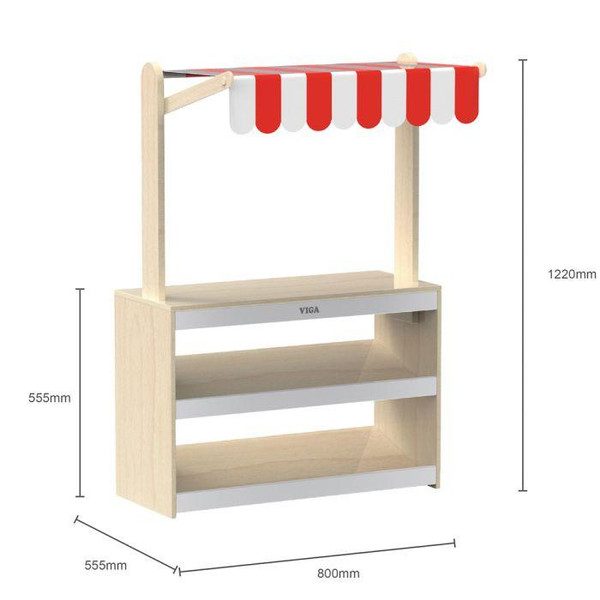
Mini Market Counter
$412.62$457.47Mini Market Counter by Moje Bambino - Kids Pretend Store Stand The Mini Market Counter by Moje Bambino turns any room into a cheerful little shop. This kid-sized market stand encourages role-play,... -

 - 10%- 10%
Mini Market Play Fridge
$335.34$371.79Mini Market Fridge - Kids Pretend Play Refrigerator The Mini Market Fridge by Moje Bambino brings pretend play to life. This kid-sized play refrigerator lets children act out real-world shopping and... -
 - 10%- 10%
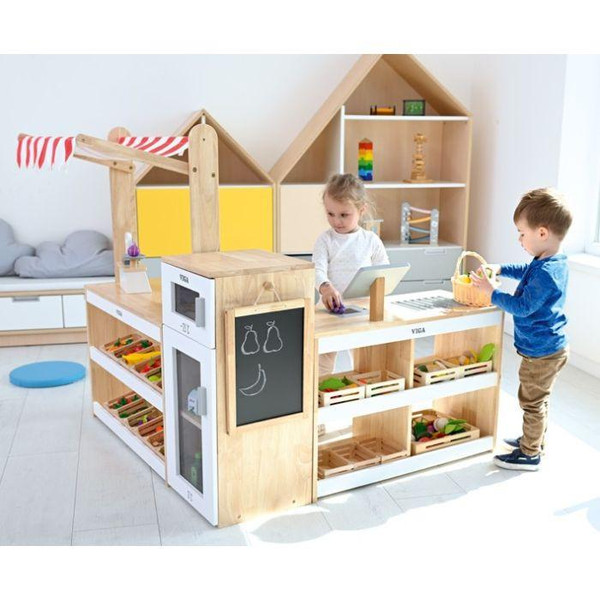
Mini Market Play Store Set
$1,121.94$1,243.89Mini Market Play Store Set - Complete Dramatic Play Market Bundle The Mini Market Play Store Set by Moje Bambino brings pretend shopping to life. This complete classroom market set includes the Mini... -

 - 7%10yr Warranty- 7%10yr Warranty
Mini Wooden Play Kitchen Block
$652.74$704.77Wooden Mini Play Kitchen Block - Compact Pretend Kitchen for Small Spaces Bring big imagination to small play areas with the Mini Wooden Play Kitchen Block. This compact pretend play kitchen gives... -

 - 5%Made in USA- 5%Made in USA
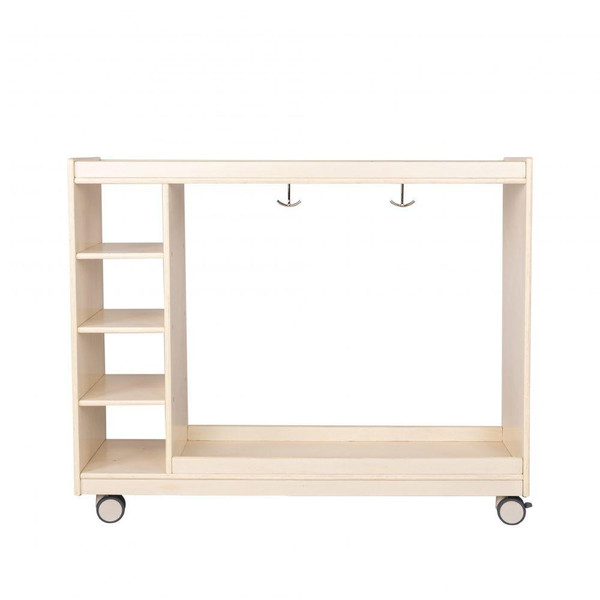
Mobile Dress Up Storage with Mirrors - Assembled
$519.75$548.63If there's a perfect piece of furniture for every activity, our Mobile Dress Up Storage with Mirrors is definitely one of them. Featuring shatterproof, full-length mirrors on each side, it allows...
Benefits of Dramatic Pretend Play for Preschoolers
Dramatic pretend play encourages children to explore familiar experiences, create stories, and practice communicating with others. Through imaginative role-playing, children develop language, social understanding, and problem-solving skills while learning to express their ideas.
For preschools, daycares, and early childhood classrooms, dedicated dramatic play areas provide opportunities for child-directed learning and group interaction.
Why Choose Dramatic Pretend Play?
-
Language Development: Encourages meaningful conversations.
-
Social Skills: Builds cooperation and turn-taking.
-
Emotional Understanding: Explores feelings and perspectives.
-
Creative Thinking: Develops original stories.
-
Problem-Solving: Encourages flexible thinking.
-
Everyday Learning: Connects play with familiar routines.
Designing a Preschool Dramatic Play Center
Create an inviting area where children can access materials independently and move comfortably between activities.
Arrange furniture to encourage shared play without overcrowding the space.
Consider storage for accessories, clear supervision sightlines, and convenient cleanup routines.
Choosing Pretend Play Furniture
Select furniture appropriate for the children's ages, heights, and developmental abilities.
Compare product dimensions, materials, storage features, and maintenance requirements.
For busy childcare environments, consider how well the furniture accommodates repeated use and classroom reorganization.
Encouraging Language & Cooperative Play
Teachers can introduce simple themes that encourage conversation, storytelling, and shared decision-making.
Children might practice familiar routines, create imaginary scenarios, or collaborate on group stories.
Rotate activities periodically to introduce new vocabulary and keep the learning environment engaging.
Explore More Pretend Play Categories
Browse Wood Play Kitchens, Pretend Dress Up Centers, Puppet Theaters, and Play Workbenches.
Frequently Asked Questions About Dramatic Pretend Play
What is dramatic play in early childhood education?
Dramatic play involves children using imagination to explore roles, stories, and everyday situations. It supports communication, social interaction, and creative thinking.
How do you organize a dramatic play area?
Provide appropriately sized furniture, accessible materials, and enough space for group interaction. Keep accessories organized and rotate themes when useful.
Why is pretend play important for preschoolers?
Pretend play gives children opportunities to practice language, explore emotions, cooperate with others, and solve problems through imaginative experiences.