
Explore outdoor sensory tables for kids that bring sand, water, and creative discovery to playgrounds and outdoor classrooms. From toddler-sized activity centers to multi-compartment sand and water tables, these engaging play stations encourage sensory exploration, fine motor development, early STEM learning, and cooperative play in preschools, daycares, and schools.
Products List
-

 - 11%Made in USAQuick Ship- 11%Made in USAQuick Ship
Youth Mobile Mite Sand & Water Table
$343.29$384.49Youth Mobile Mite Sand & Water Table - Compact, Mobile Sensory Play Center Bring big sensory fun to small spaces with the Youth Mobile Mite Sand & Water Table. Designed with flexibility and... -
 - 15%Made in USAQuick Ship- 15%Made in USAQuick Ship
Sensory Table Small Plug Replacement
$16.99$19.99Childbrite Sensory Table Small Plug - Replacement for Red Liners Keep sensory tables ready for daily play with the Childbrite Sensory Table Small Plug Replacement. This small sensory table drain... -

 - 11%Made in USAQuick Ship- 11%Made in USAQuick Ship
All-In-One Sand and Water Activity Center - 8"H
$250.71$280.79All-In-One Children's Sand & Water Activity Center - 8"H Low-Profile Outdoor Sensory Table Designed for little learners and big imaginations, the All-In-One Children's Sand & Water Activity Center -... -

 - 11%Made in USAQuick Ship- 11%Made in USAQuick Ship
Youth Double Mite Sand & Water Table
$391.74$438.75Youth Double Mite Sand & Water Table - Dual-Station Sensory Play Table for Kids Invite hands-on discovery and shared creativity with the Youth Double Mite Sand & Water Table, a durable,... -

 - 11%Made in USAQuick Ship- 11%Made in USAQuick Ship
Toddler Mite Sand & Water Table
$279.19$312.69Toddler Mite Sand & Water Table - Compact Sensory Play Table for Toddlers Designed especially for little hands and big curiosity, the Toddler Mite Sand & Water Table is a compact, durable sensory... -

 - 11%Made in USAQuick Ship- 11%Made in USAQuick Ship
All-In-One Sand and Water Activity Center - 24"H
$270.64$303.11All-In-One Sand & Water Activity Center - 24"H Outdoor Sensory Table Designed for hands-on fun and lasting durability, the All-In-One Sand & Water Activity Center - 24"H by is a versatile outdoor... -

 - 11%Made in USAQuick Ship- 11%Made in USAQuick Ship
All-In-One Sand and Water Activity Center - 18"H
$266.36$298.32All-In-One Sand & Water Activity Center - 18"H Outdoor Sensory Table for Kids Designed to spark curiosity and hands-on discovery, the All-In-One Sand & Water Activity Center - 18"H combines the... -

 - 11%Made in USAQuick Ship- 11%Made in USAQuick Ship
Toddler Sand and Water Activity Center (Clear Liner)
$465.82$521.72Toddler Sand & Water Activity Center - Clear-Liner Sensory Table for Early Learning Invite hands-on discovery with the Toddler Sand & Water Activity Center, a thoughtfully designed sensory table that... -
 - 6%Made in USAQuick Ship- 6%Made in USAQuick Ship
Sensory Table Big Plug Replacement
$19.90$21.09Childbrite Sensory Table Big Plug Replacement - Drain Plug for Clear Deep Tubs Keep sensory play ready with the Childbrite Sensory Table Big Plug Replacement. This sensory table drain plug fits... -

 - 11%Made in USAQuick Ship- 11%Made in USAQuick Ship
Toddler Double Mite Sand & Water Table
$383.19$429.18Toddler Double Mite Sand & Water Table - Dual-Compartment Sensory Play Table Designed especially for toddlers, the Toddler Double Mite Sand & Water Table offers a fun, hands-on way for young learners... -

 - 11%Made in USAQuick Ship- 11%Made in USAQuick Ship
Youth Sand and Water Activity Center
$472.95$529.70Youth Sand & Water Activity Center - Original Mobile Sensory Table for Classrooms Discover the classic that started it all with the ChildBrite® Youth Sand & Water Activity Center, a proven favorite... -

 - 5%Made in USA- 5%Made in USA
Children's Activity Table and Lid Set - 24"h
$509.85$538.18Activity Table and Lid Set - Extra-Large Sensory Play Table (24″H) The Activity Table and Lid Set - 24″H creates a calming, hands-on sensory station for group play indoors or outdoors. Ideal as a... -
 - 11%Made in USAQuick Ship- 11%Made in USAQuick Ship
Youth Sand and Water Activity Center w/Casters
$387.45$433.94Youth Sand & Water Activity Center with Casters - Mobile Sensory Table for Indoor & Outdoor Play Built for active learning environments, the Youth Sand & Water Activity Center with Casters by... -

 - 11%Made in USAQuick Ship- 11%Made in USAQuick Ship
Toddler Sand and Water Activity Center
$376.07$421.20Toddler Sand & Water Activity Center - 6" Deep Sensory Table by ChildBrite® Designed specifically for toddlers, the Toddler Sand & Water Activity Center by Childbrite is a low-profile, durable... -

 - 11%Made in USAQuick Ship- 11%Made in USAQuick Ship
See All Children's Sand & Water Center
$364.67$408.43See-All Children's Sand & Water Center - Clear-View Sensory Table for Indoor & Outdoor Play Bring sensory exploration into full view with the See-All Children's Sand & Water Center by Childbrite, a... -

 - 11%Made in USAQuick Ship- 11%Made in USAQuick Ship
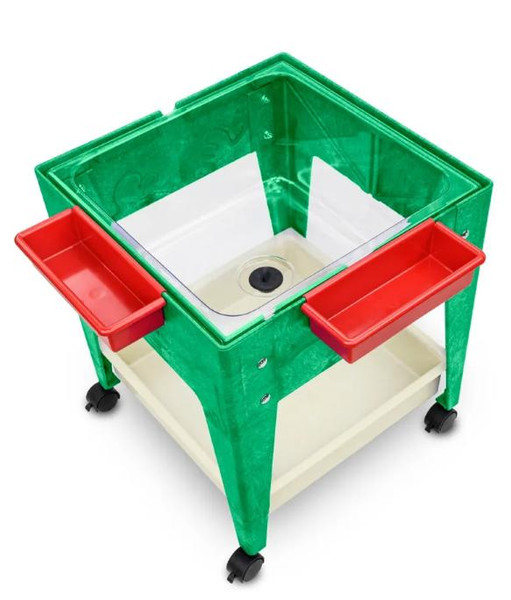
Youth Clear-View Mobile Mite Sand & Water Table
$386.04$432.37Youth Clear-View Mobile Mite Sensory Table - ChildBrite® Indoor/Outdoor Activity Cart Bring hands-on exploration anywhere it's needed with the Youth Clear-View Mobile Mite by ChildBrite®, a compact,... -

 - 11%Made in USAQuick Ship- 11%Made in USAQuick Ship
Youth Sand & Water Center, S6224
$383.19$429.18Youth Sand & Water Center S6224 - Original ChildBrite® Multi-Purpose Sensory Table Designed as ChildBrite's original sand and water table, the Youth Sand & Water Center S6224 delivers exceptional... -

 - 5%Made in USA- 5%Made in USA
Multi-Colored Kidfetti Play Pellets
$118.80$125.40Multi-Colored Kidfetti® Play Pellets - Sensory Fill (10 lb) Spark hands-on exploration with Multi-Colored Kidfetti® Play Pellets, a vibrant sensory material designed for clean, engaging play. Ideal... -

 - 5%Made in USA- 5%Made in USA
Neptune Sand & Water Table - 18"h
$276.71$292.09Neptune Sand & Water Table - Dual-Compartment Sensory Play Table (18″H) Enhance outdoor and indoor learning spaces with the Neptune Sand & Water Table - 18″H, a durable sensory station designed for... -

 - 5%Made in USA- 5%Made in USA
Neptune Sensory Table and Lid Set - 24"h
$375.71$396.59Neptune Sensory Table and Lid Set - Double-Basin Water & Sand Table (24″H) The Neptune Sensory Table and Lid Set - 24″H delivers engaging, mess-contained sensory exploration at an accessible price...
Benefits of Outdoor Sensory Tables for Kids
Outdoor sensory tables transform playgrounds and outdoor classrooms into engaging environments where children can explore textures, experiment with materials, and develop important early learning skills.
From sand and water activity centers to mobile sensory tables and multi-compartment play stations, these versatile tables encourage curiosity, creativity, and developmental learning through open-ended exploration.
For preschools, daycare centers, Montessori programs, and early childhood classrooms, outdoor sensory tables provide opportunities for individual discovery and collaborative activities.
Why Choose Outdoor Sensory Tables?
-
Sensory Exploration: Encourages tactile discovery and curiosity.
-
Fine Motor Development: Strengthens scooping and pouring coordination.
-
Early STEM Learning: Introduces volume, movement, and measurement.
-
Creative Thinking: Encourages experimentation and imaginative play.
-
Social Development: Promotes sharing and cooperative exploration.
-
Hand-Eye Coordination: Develops controlled movements and precision.
Sand & Water Tables for Preschool Playgrounds
Sand and water tables give children opportunities to investigate different textures, materials, and movement patterns.
Children can scoop sand, pour water, fill containers, and experiment with how materials move between compartments.
These activities introduce early concepts such as full and empty, heavy and light, and wet and dry.
Select tables with appropriate basin depths and heights for the children's ages and developmental abilities.
Toddler Sensory Tables for Early Exploration
Toddler-sized sensory tables provide accessible activity areas for younger children developing their coordination and sensory awareness.
Low-profile sand and water centers allow children to explore materials at a comfortable height.
Options such as the Toddler Mite and toddler double-compartment activity centers offer different arrangements for supervised sensory play.
Review individual product dimensions and recommended ages when choosing equipment for toddler classrooms.
Multi-Compartment & Mobile Sensory Tables
Double-compartment sensory tables allow educators to introduce different materials or activities within one play station.
For example, one basin might contain water while another holds sand or another appropriate sensory material.
Mobile sensory tables offer flexibility for programs that need to reposition activities or move equipment into storage.
Select models include casters, removable tubs, lids, or drainage features. Confirm which components are included with each product.
Encourage Outdoor STEM & Nature-Based Learning
Outdoor sensory tables provide opportunities to explore early science and math concepts through play.
Children can compare container sizes, measure quantities, observe floating and sinking, and investigate how water flows.
Educators can introduce nature-based activities using suitable materials such as leaves, stones, or other age-appropriate objects.
These experiences encourage observation, problem-solving, vocabulary development, and creative experimentation.
Choosing Sensory Tables for Schools & Daycares
When purchasing outdoor sensory tables for commercial childcare environments, consider the number of children using each station, available playground space, and intended sensory materials.
Review construction materials, table height, basin capacity, mobility features, and manufacturer recommendations for outdoor use.
Plan for convenient access to water, appropriate drainage, and storage for accessories.
Establish regular cleaning procedures, empty standing water after activities, and supervise children during sensory play.
Explore More Outdoor Sensory Play Equipment
Discover Mud Kitchens for imaginative mixing and cooking activities, Sandboxes for digging and creative construction, Outdoor Kids Furniture for outdoor learning areas, and Sensory Tables for additional classroom activity options.
Frequently Asked Questions About Outdoor Sensory Tables
What are the benefits of outdoor sensory tables for preschoolers?
Outdoor sensory tables support fine motor development, hand-eye coordination, sensory exploration, early math and science concepts, creativity, and cooperative learning through sand, water, and other supervised activities.
What is the difference between single and double-compartment sensory tables?
Single-compartment tables provide one activity basin, while double-compartment models allow children to explore two materials or activities simultaneously. Double-compartment designs can be useful for group play and comparing different sensory experiences.
How do I choose an outdoor sensory table for a daycare?
Consider children's ages, table height, basin depth, available space, cleaning requirements, and the number of users. Choose a model suitable for your intended environment and follow the manufacturer's care and safety instructions.