
Encourage hands-on discovery with educational manipulative toys that develop fine motor skills, coordination, and early problem-solving. Ideal for preschools, daycares, elementary classrooms, and pediatric therapy centers, these engaging learning activities help children explore shapes, patterns, movement, and sensory experiences.
Products List
-
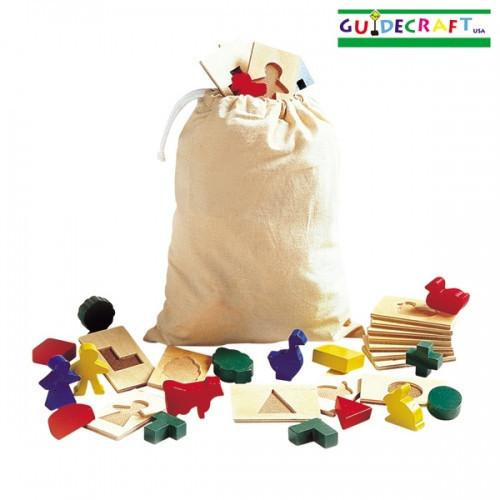
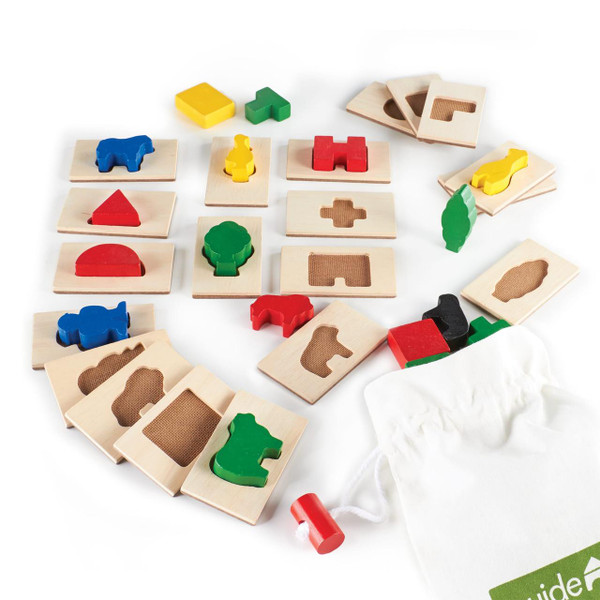 - 8%Quick Ship- 8%Quick Ship
3D Feel & Find Wooden Puzzle Set
$39.66$43.00Shape & Texture Matching Bag Game - Tactile Learning Through Touch The Shape & Texture Matching Bag Game invites children to explore shapes using both sight and touch. Designed as a wooden shape... -
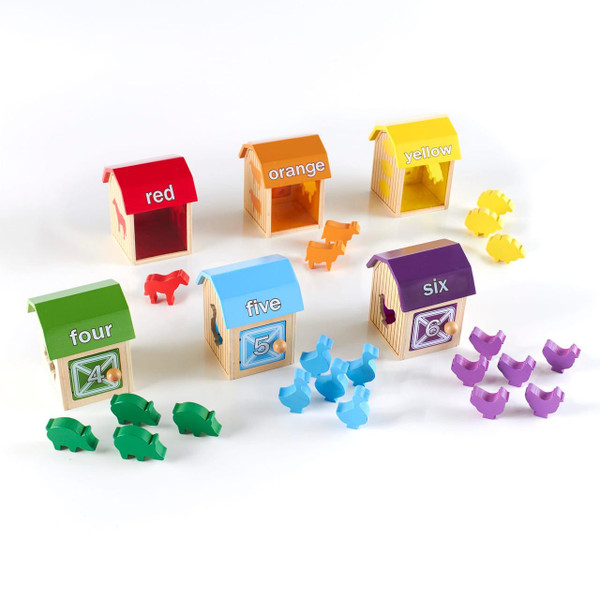
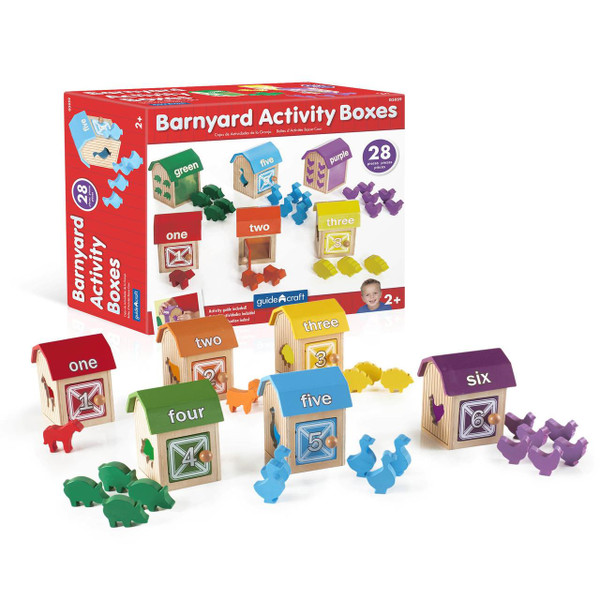 - 16%Quick Ship- 16%Quick Ship
Barnyard Counting Boxes
$58.95$69.95Barnyard Counting & Matching Set - Wooden Farm Counting Toy The Barnyard Counting & Matching Set blends playful storytelling with early math exploration. This engaging wooden counting toy, farm... -
 - 7%- 7%
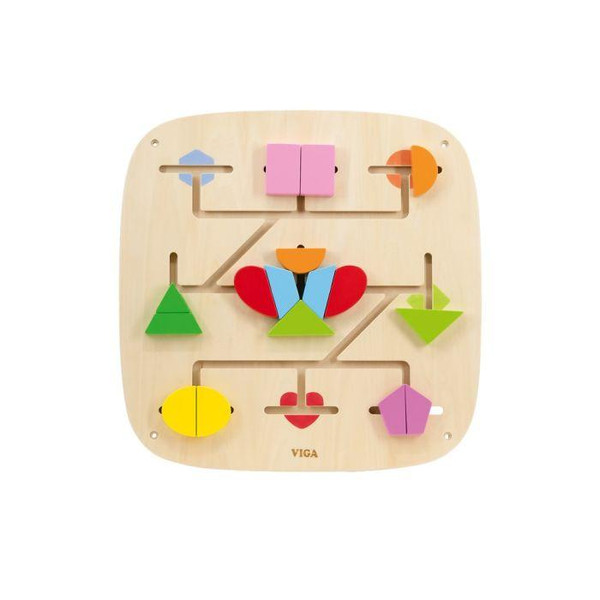
Building Shapes Sensory Wall Panel
$71.76$76.96Building Shapes Sensory Wall Panel - Hands-On Shape Learning Turn playtime into a fun learning experience with the Building Shapes Sensory Wall Panel! This interactive shape wall toy helps young... -

 - 30%Quick Ship- 30%Quick Ship
Circle Sorter Manipulative Puzzle
$34.95$49.95Experience the joy of learning with our graduated size circles, ranging from 2" to 5" in diameter, all set on a vibrant, color-coded base. Each circle features easy-to-hold 2" high knobs, perfect for... -

 - 16%Quick Ship- 16%Quick Ship
Clear Treasure Tubes Sensory Set
$64.95$76.95Clear Treasure Tubes - Stackable Sensory Exploration Containers The Clear Treasure Tubes spark curiosity and discovery through open-ended sensory play. Designed as sensory exploration tubes, light... -

 - 16%Quick Ship- 16%Quick Ship
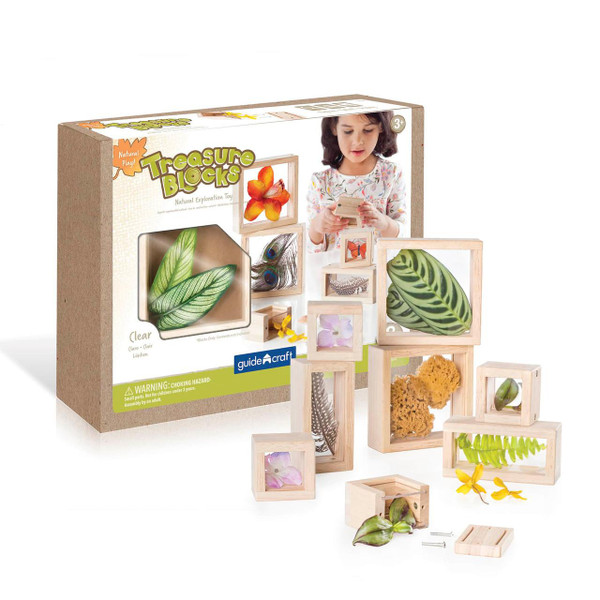
Clear Treasure Wooden Play Blocks
$58.95$69.95Clear Treasure Wooden Play Blocks - Sensory & Light Table Exploration The Clear Treasure Wooden Play Blocks invite children to collect, display, and investigate meaningful objects through hands-on... -
 - 7%- 7%
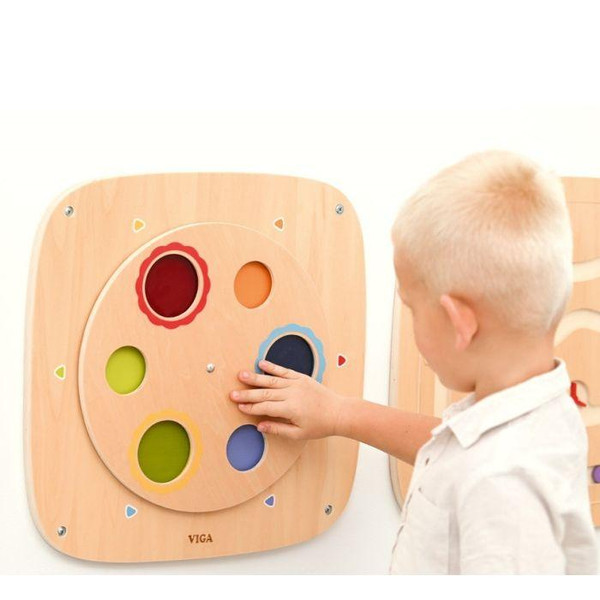
Color Spin Sensory Wall Panel
$71.76$76.96Color Spin Sensory Wall Panel - Color Exploration and Spinning Play Bring color and movement to playtime with the Color Spin Sensory Wall Panel! This interactive spinning wall toy invites children... -
 - 13%Made in USA- 13%Made in USA
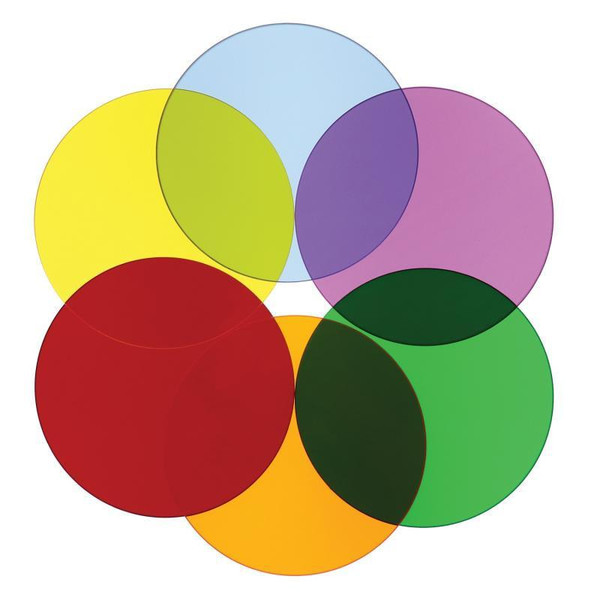
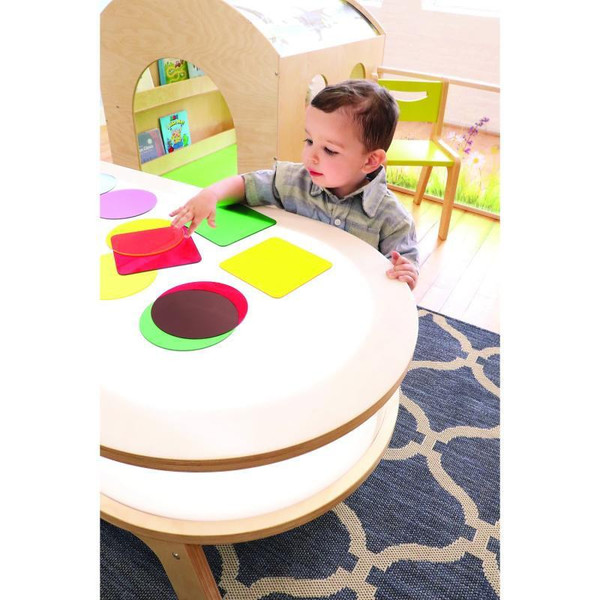
Color Wheel Circles for Light Tables - Set of 6
$69.00$78.98Color Wheel Circles for Light Tables - Color Learning Discs for Sensory Play Make learning fun with the 6 Color Wheel Circles for Light Tables. These acrylic color discs for light tables help... -

 - 13%Made in USA- 13%Made in USA
Color Wheel Squares for Light Tables - Set of 6
$69.00$78.98Color Wheel Squares for Light Tables - Shape Learning Tiles for Sensory Play Make learning bright and fun with the 6 Color Wheel Squares for Light Tables. These acrylic square light table tiles help... -

 - 13%Made in USA- 13%Made in USA
Color Wheel Triangles for Light Tables - Set of 6
$69.00$78.98Color Wheel Triangles for Light Tables - Shape Exploration Tiles for Sensory Play Make learning fun and bright with the Color Wheel Triangles for Light Tables - Set of 6. These acrylic triangle... -

 - 5%Made in USA- 5%Made in USA
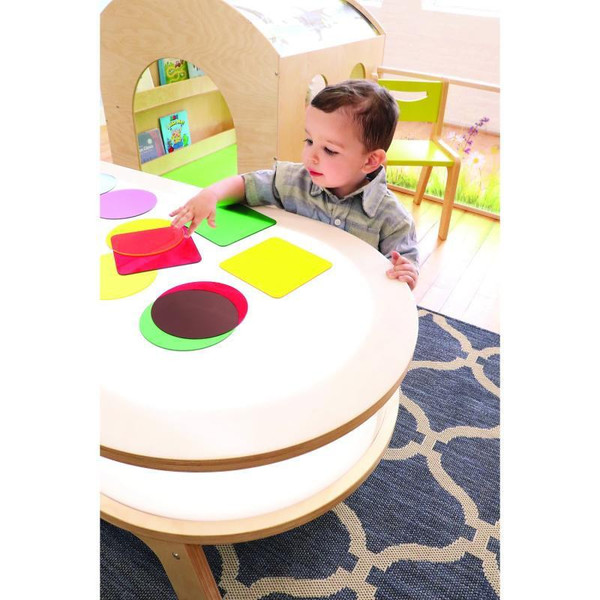
Color Wheel Variety Pack - Three Shapes
$154.55$163.14Children learn about shapes and colors! Special package price for all three sets of acrylic circle, square and triangle disks in red, purple, blue, green, yellow, and orange for use on our LED light... -
 - 7%- 7%
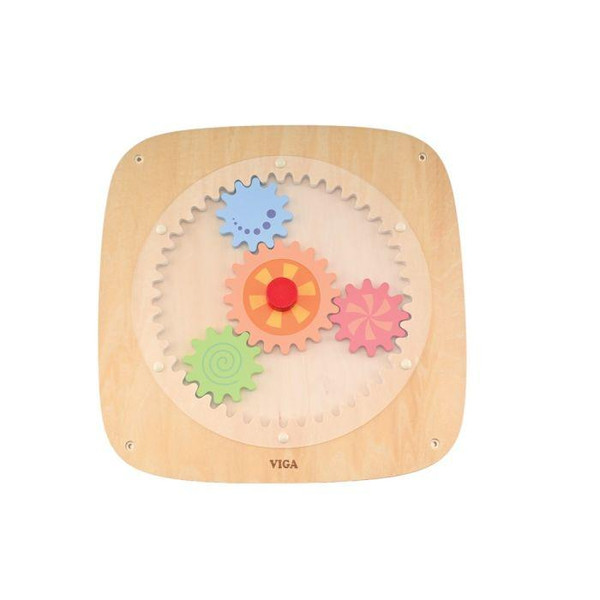
Colorful Gears Sensory Wall Panel
$71.76$76.96Colorful Gears Sensory Wall Panel - Hands-On Gear Learning Activity Turn playtime into a fun discovery with the Colorful Gears Sensory Wall Panel! This interactive gear wall toy invites children to... -

 - 7%- 7%
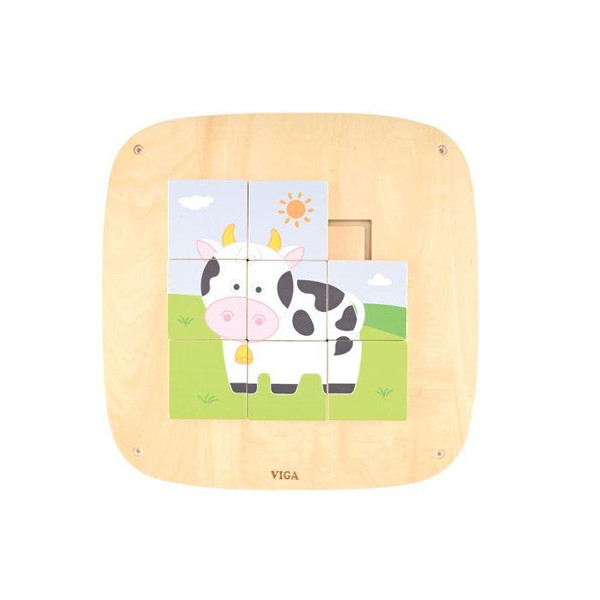
Cow Puzzle Sensory Wall Panel
$71.76$76.96Cow Puzzle Sensory Wall Panel - Farm Animal Puzzle Learning Make learning fun with the Cow Puzzle Sensory Wall Panel! This interactive animal puzzle wall toy helps young children explore shapes,... -

 - 17%Quick Ship- 17%Quick Ship
Crystal Bead Wooden Rainbow Blocks
$49.95$59.95Crystal Bead Wooden Rainbow Blocks - Sensory Light & Color Unit Blocks The Crystal Bead Wooden Rainbow Blocks enhance classic block play with movement, sparkle, and color. Designed as sensory wooden... -

 - 4%- 4%
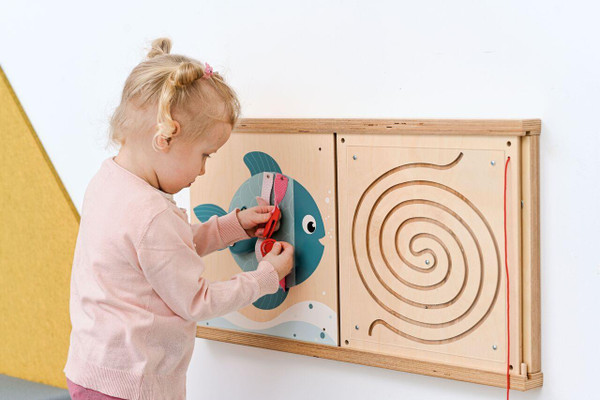
Fish Sensory Wall Panel
$45.54$47.43Fish Fine Sensory Wall Panel - Coordination Play for Daily Skills The Fish Fine Motor Skills Sensory Wall Panel turns learning into hands-on fun. This sensory wall panel supports fine motor skills... -

 - 12%Quick Ship- 12%Quick Ship
Flower Pot Sort and Match Manipulative
$51.95$58.95Flower Pot Sort & Match Manipulative - Magnetic Color and Shape Game The Flower Pot Sort & Match Manipulative turns early learning into an engaging, hands-on game. This magnetic matching activity,... -

 - 30%Quick Ship- 30%Quick Ship
Geo Sorter Manipulative Puzzle
$34.95$49.95Geo Sorter Manipulative Puzzle with Easy-Grasp Knobs The Geo Sorter Manipulative Puzzle is a classic wooden shape puzzle designed for early hands-on learning. With a color-coded wooden shape sorter,... -

 - 7%Quick Ship- 7%Quick Ship
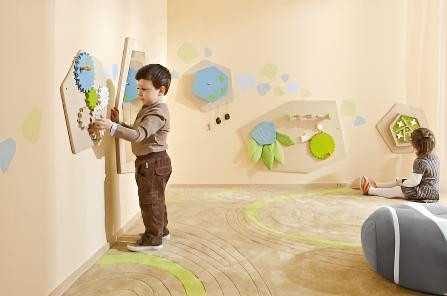
Grow.upp Ball Labyrinth Activity Wall Panel
$509.22$549.81HABA Grow.upp Ball Labyrinth Activity Wall Panel - Visual Tracking Activity Wall Toy for Motor Play Encourage patience and careful movement with the HABA Grow.upp Ball Labyrinth Activity Wall Panel... -

 - 7%Quick Ship- 7%Quick Ship
Grow.upp Gears Wheels Activity Wall Panel
$509.22$549.81HABA Grow.upp Gears Wheels Activity Wall Panel - Nature Gear Sensory Wall Panel for Motor Skills Encourage hands-on discovery with the HABA Grow.upp Gears Wheels Activity Wall Panel. This engaging... -

 - 7%Quick Ship- 7%Quick Ship
Grow.upp Motor Skills Sensory Wall Panel
$1,088.82$1,175.61HABA Grow.upp Motor Skills Sensory Wall Panel - Nature Sensory Wall Toy for Fine Motor Play Bring calming nature play indoors with the HABA Grow.upp Motor Skills Sensory Wall Panel. This beautiful...
Hands-On Learning Manipulatives for Early Childhood Development
Educational manipulative toys help children learn by touching, moving, arranging, and experimenting with objects. These hands-on activities encourage active participation while developing the coordination and thinking skills needed for everyday tasks and early academic learning.
In preschools, elementary classrooms, and therapy environments, learning manipulatives provide opportunities for children to explore concepts through purposeful play rather than passive observation.
Educational & Developmental Benefits
Age-appropriate manipulative activities support important physical and cognitive skills during early childhood.
-
Fine Motor Skills: Strengthen finger dexterity and control.
-
Hand-Eye Coordination: Practice precise, guided movements.
-
Problem-Solving: Experiment with challenges and solutions.
-
Early Math: Explore sorting, counting, and patterns.
-
Spatial Reasoning: Understand shapes and positioning.
-
Concentration: Encourage focused, independent learning.
Classroom Manipulatives for Preschool & Kindergarten
Teachers can incorporate hands-on learning materials into classroom activity centers to reinforce early academic concepts.
Manipulative activities allow children to investigate colors, shapes, quantities, and relationships through direct interaction. They also provide opportunities for independent discovery, small-group collaboration, and teacher-guided learning.
Open-ended exploration encourages children to test ideas, recognize patterns, and develop confidence as they discover new solutions.
Fine Motor Activities for Pediatric Therapy
Occupational therapy centers and early intervention programs may incorporate manipulative activities into professionally guided developmental exercises.
Age-appropriate challenges can provide opportunities to practice grasping, bilateral coordination, visual-motor integration, and controlled hand movements.
Activities should reflect each child's developmental abilities and individual therapy goals.
Choosing Manipulative Toys for Your Facility
Consider children's ages, developmental needs, learning objectives, and available activity space.
For classrooms and shared environments, review construction materials, cleaning instructions, component sizes, and storage requirements. Choose activities with appropriate challenge levels and opportunities for continued exploration.
For additional hands-on learning experiences, explore our sensory tables.
Frequently Asked Questions
What are manipulative toys?
They are hands-on learning materials children physically move or arrange to explore concepts and practice developmental skills.
How do manipulatives support fine motor development?
They encourage grasping, positioning, controlled movement, and hand-eye coordination.
Are manipulative toys useful in preschool classrooms?
Yes. They complement early math, sensory exploration, problem-solving, and independent learning activities.
Can manipulative toys be used in occupational therapy?
Yes. Therapists may select appropriate activities to support individualized fine motor and visual-motor goals.