
Create clean, defined play spaces with durable playground borders designed to contain mulch, wood fiber, and rubber surfacing. Ideal for schools, daycares, parks, and backyard playgrounds, these weather-resistant edging systems help organize outdoor areas while reducing surfacing displacement and maintenance.
Filter By
Products List
-

 - 8%Made in USA- 8%Made in USA
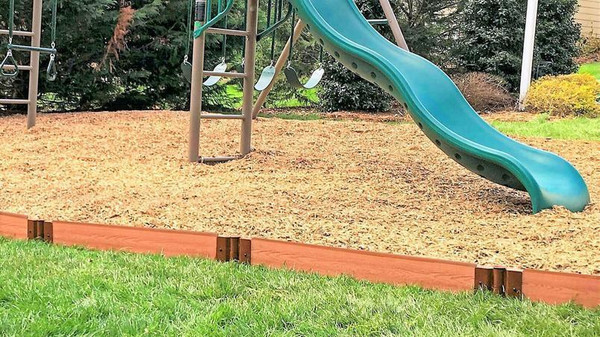
Classic Sienna Straight Playground Border Kit 64' - 2" Profile
FIA-300001763Sale $354.76$384.33Frame It All Tool-Free Classic Sienna Straight Playground Border Kit - 64ft 2" Profile The Frame It All Tool-Free Classic Sienna Straight Playground Border Kit - 64' 2" Profile makes large play areas... -
 - 8%Made in USA- 8%Made in USA
Classic Sienna Straight Playground Border Kit 64' - 1" Profile
FIA-300001761Sale $292.75$317.15Frame It All Straight Playground Border Kit - 64ft Composite Safety Edge System The Frame It All Straight Playground Border Kit - 64' Length makes large play areas safer and more organized. This... -

 - 8%Made in USA- 8%Made in USA
Classic Sienna Straight Playground Border Kit 32' - 2" Profile
FIA-300001755Sale $189.50$205.30Frame It All Tool-Free Classic Sienna Straight Playground Border Kit - 32ft 2" Profile The Frame It All Tool-Free Classic Sienna Straight Playground Border Kit - 32' 2" Profile makes playground... -

 - 8%Made in USA- 8%Made in USA
Classic Sienna Straight Playground Border Kit 32' - 1" Profile
FIA-300001753Sale $153.02$165.77Tool-Free Classic Sienna Straight Playground Border Kit - 32ft 1" Profile The Tool-Free Classic Sienna Straight Playground Border Kit - 32 ft, 1" Profile makes backyard safety simple and affordable... -
 - 14%Made in USA- 14%Made in USA
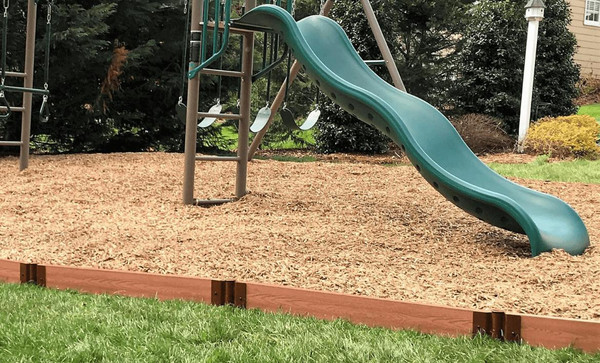
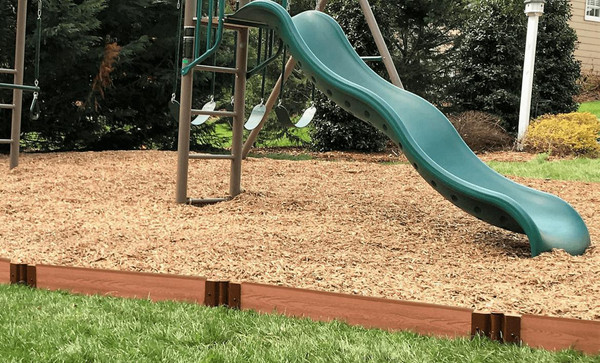
Classic Sienna Straight Playground Border 16' - 2" Profile
FIA-300001052Sale $110.12$127.99Frame It All Classic Sienna Straight Playground Border - 16ft 2" Profile Kit The Frame It All Classic Sienna Straight Playground Border - 16’ 2" Profile makes playground safety strong and simple... -
 - 1%Made in USA- 1%Made in USA
Classic Sienna Straight Playground Border 16' - 1" Profile
FIA-300001051Sale $86.99$87.61Frame It All Classic Sienna Straight Playground Border - 16ft 1" Profile Kit The Frame It All Classic Sienna Straight Playground Border - 16 ft 1" Profile makes backyard safety simple and affordable... -
 - 20%Made in USA- 20%Made in USA
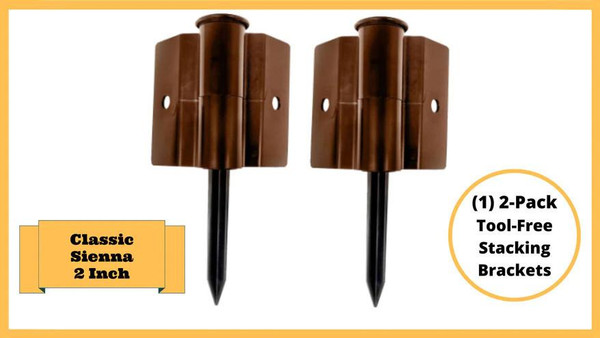
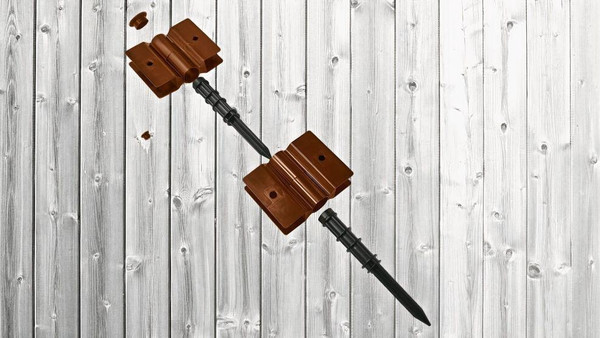
Classic Sienna Stacking Joint 2" Profile - 2 Pack
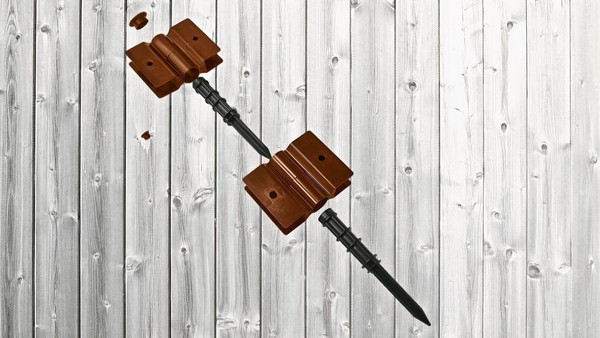
FIA-300001015Sale $19.99$24.99Classic Sienna Snap-Lock Playground & Sandbox Stacking Brackets - 2" Profile (2-Pack) Built for strength, flexibility, and clean finishes, the Classic Sienna Snap-Lock Playground & Sandbox Stacking... -
 - 15%Made in USA- 15%Made in USA
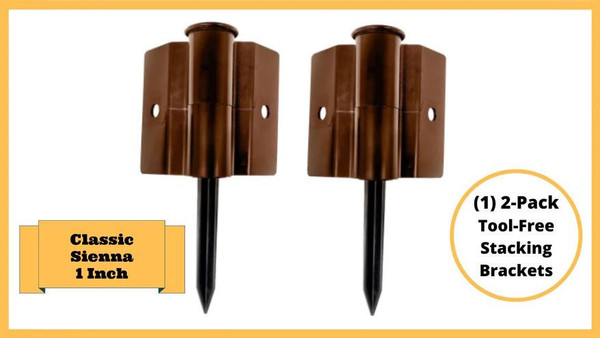
Classic Sienna Stacking Joint 1" Profile - 2 Pack
FIA-300001023Sale $16.99$19.99Classic Sienna 1" Snap-Lock Stacking Brackets - Modular Playground & Garden Edging Hardware Build higher and stronger with Classic Sienna Snap-Lock Stacking Brackets - 1" Profile (2-Pack). These... -

 - 8%Made in USA- 8%Made in USA
Classic Sienna Curved Playground Border Kit 64' - 2" Profile
FIA-300001764Sale $419.62$454.58Frame It All Tool-Free Classic Sienna Curved Playground Border Kit - 64ft 2" Profile The Frame It All Tool-Free Classic Sienna Curved Playground Border Kit - 64' 2" Profile makes large play areas... -

 - 8%Made in USA- 8%Made in USA
Classic Sienna Curved Playground Border Kit 64' - 1" Profile
FIA-300001762Sale $352.78$382.18Frame It All Tool-Free Classic Sienna Curved Playground Border Kit - 64ft 1" Profile The Frame It All Tool-Free Classic Sienna Curved Playground Border Kit - 64' 1" Profile makes large play areas... -

 - 8%Made in USA- 8%Made in USA
Classic Sienna Curved Playground Border Kit 32' - 2" Profile
FIA-300001756Sale $211.09$228.68Frame It All Tool-Free Classic Sienna Curved Playground Border Kit 32' - 2" Profile was created by a landscape designer to be an easy, secure and cost-effective way to contain wood and rubber safety... -

 - 8%Made in USA- 8%Made in USA
Classic Sienna Curved Playground Border Kit 32' - 1" Profile
FIA-300001754Sale $184.64$200.03Frame It All Tool-Free Classic Sienna Curved Playground Border Kit - 32ft 1" Profile The Frame It All Tool-Free Classic Sienna Curved Playground Border Kit - 32' 1" Profile makes backyard safety... -

 - 2%Made in USA- 2%Made in USA
Classic Sienna Curved Playground Border Border 16' - 1" Profile
FIA-300001751Sale $96.99$98.69Frame It All Classic Sienna Curved Playground Border - 16ft 1" Profile Kit The Frame It All Classic Sienna Curved Playground Border - 16’ 1" Profile makes it easy to build a safe and natural play... -
 - 22%Made in USA- 22%Made in USA
Classic Sienna Curved Playground Border 16' - 2" Profile
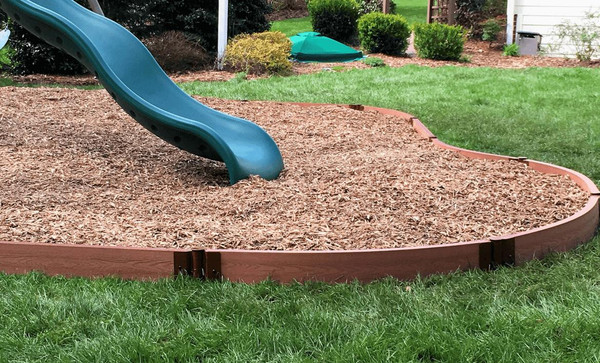
FIA-300001752Sale $116.96$149.99Frame It All Classic Sienna Curved Playground Border - 16ft 2" Profile Kit The Frame It All Classic Sienna Curved Playground Border - 16’ 2" Profile makes playground safety strong and natural. This... -

 - 18%Made in USA- 18%Made in USA
Classic Sienna Anchor Joint 2" Profile - 2 Pack
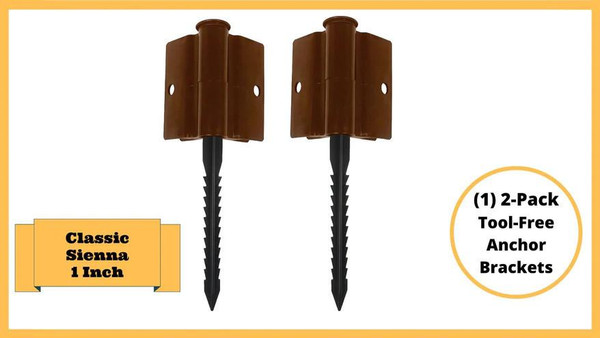
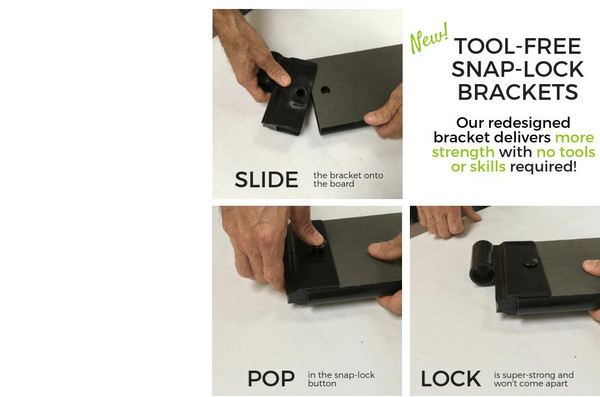
FIA-300001017Sale $22.99$27.99Classic Sienna 2" Anchor Joint 2 Pack - Secure Playground Border Base Support Keep your border firm and straight with the Classic Sienna 2" Anchor Joint 2 Pack. This strong base bracket locks your... -
 - 20%Made in USA- 20%Made in USA
Classic Sienna Anchor Joint 1" Profile - 2 Pack
FIA-300001024Sale $19.99$24.99Classic Sienna 1" Anchor Brackets - Secure Snap-Lock Playground Edging Build a strong and steady base with Classic Sienna Snap-Lock Playground Edging Brackets - 1” Anchor Brackets. These brackets... -
 - 19%Made in USA- 19%Made in USA
Classic Sienna 4ft Straight Snap-Lock Board 2" Profile
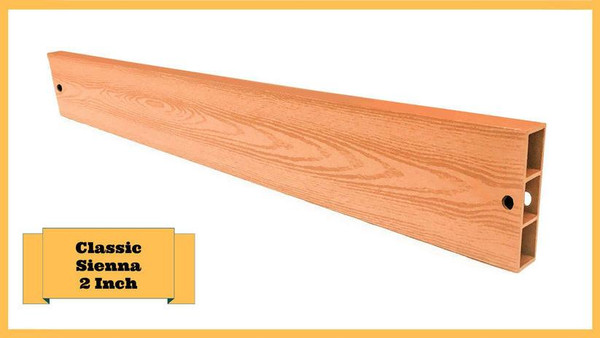
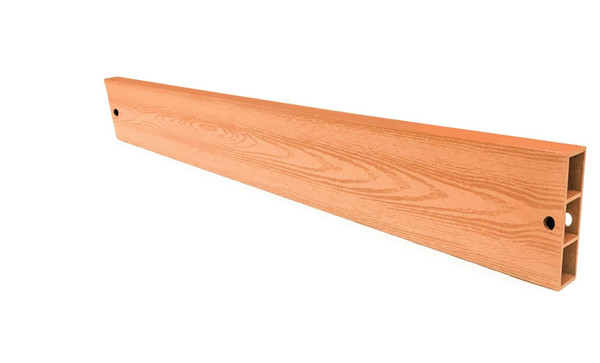
FIA-300001010Sale $17.00$21.00Classic Sienna 4 ft Straight Snap-Lock Composite Board - 2" Profile Garden & Playground Border The Classic Sienna 4 ft Straight Snap-Lock Composite Board - 2" Profile creates clean, strong edges for... -

 - 14%Made in USA- 14%Made in USA
Classic Sienna 4ft Curved Composite Board 2" Profile
FIA-300001006Sale $17.99$20.99Frame It All Classic Sienna 4ft Curved Composite Board - 2" Profile for Creative Borders The Frame It All Classic Sienna 4ft Curved Composite Board - 2" Profile helps you build sandboxes and...
Commercial Playground Border Systems for Mulch & Safety Surfacing
Keep outdoor play areas organized with durable playground edging systems designed to contain loose-fill materials and establish clear boundaries. Whether planning a new playground or improving an existing space, properly selected borders help maintain a neat appearance while reducing the spread of mulch and other playground surfacing materials.
Composite Playground Edging for Lasting Durability
Composite playground borders offer a practical alternative to traditional wooden landscape timbers. Designed to withstand outdoor exposure, these edging systems resist common problems associated with untreated wood, including splintering and deterioration.
Modular construction allows playground planners to create defined spaces without relying on heavy landscape materials. Straight and curved configurations accommodate different layouts, from rectangular play zones to rounded activity areas.
Benefits of Playground Border Edging
Well-designed playground boundaries provide practical advantages for schools, parks, and recreational spaces.
-
Surfacing Containment: Helps keep loose-fill materials contained.
-
Defined Boundaries: Separates play zones from surrounding landscapes.
-
Reduced Maintenance: Limits scattered mulch and cleanup.
-
Weather Resistance: Supports long-term outdoor performance.
-
Flexible Layouts: Accommodates different playground shapes.
-
Clean Appearance: Creates organized, finished play spaces.
Ideal for Schools, Daycares & Backyard Playgrounds
Playground border systems are useful for preschool play areas, elementary school playgrounds, childcare facilities, public parks, and residential play spaces.
They can help define areas surrounding swing sets, climbing equipment, and other outdoor structures. Borders are also useful for separating playground surfacing from lawns, walkways, and landscaped areas.
For additional outdoor play installations, explore our playground climbers and sandboxes.
Choosing the Right Playground Border System
Before purchasing, measure the complete perimeter of your play area and determine whether straight or curved edging best fits your layout.
Consider the required surfacing depth, board profile, anchoring method, and installation conditions. Some modular systems allow boards to be stacked for additional height, but compatibility and installation requirements vary.
Borders help contain protective surfacing but do not replace properly installed impact-attenuating materials. Always follow playground equipment specifications and applicable safety guidelines for surfacing depth, use zones, and accessibility.
Frequently Asked Questions
What are playground borders used for?
They define outdoor play areas and help contain loose-fill materials such as engineered wood fiber, rubber mulch, and other playground surfacing.
Are composite playground borders better than wood?
Composite edging resists splintering and many forms of weather-related deterioration, making it a practical low-maintenance alternative to traditional wood timbers.
Can playground borders be installed in curved layouts?
Yes. Compatible curved edging systems allow rounded boundaries and customized playground configurations.
How do I determine how much edging I need?
Measure the total perimeter, account for corners or curves, and select compatible border sections, anchors, and connectors for your installation.