Classroom Dividers: Building Better Learning Centers
Table of Contents
- If you've ever wondered why preschoolers seem distracted or overstimulated during learning time, the answer might be simpler than you think. Strategic classroom dividers can reduce ambient noise by up to 65%—but placement is everything, and most teachers get it wrong.
- Key Takeaways
- Why Classroom Dividers Transform Preschool Learning Centers
- Essential Types of Dividers for Early Childhood Centers
- Strategic Placement for Maximum Learning Impact
- Safety and Accessibility Requirements
- Proven Benefits Backed by Educational Research
- Start Building Effective Learning Centers Today
- FAQs
If you've ever wondered why preschoolers seem distracted or overstimulated during learning time, the answer might be simpler than you think. Strategic classroom dividers can reduce ambient noise by up to 65%—but placement is everything, and most teachers get it wrong.
Key Takeaways
- Classroom dividers create distinct learning centers that reduce distractions and improve focus for young learners by absorbing up to 65% of ambient sound.
- Strategic placement of movable partitions, acoustic panels, and storage units transforms one classroom into multiple functional zones for reading, art, science, and collaborative activities.
- Safety requirements include maintaining 36-inch walkways, 32-inch doorways, and secure anchoring to meet accessibility standards while ensuring easy supervision.
- Research-backed benefits show that well-designed learning centers promote better school performance, enhanced social development, and improved communication skills in early childhood education.
- Low storage units serve dual purposes as both space dividers and organizational tools, maximizing classroom functionality without compromising visibility.
Modern preschool classrooms demand flexibility to support diverse learning styles and developmental needs. Rather than rigid, one-size-fits-all arrangements, today's early childhood educators recognize that thoughtfully divided spaces create opportunities for differentiated instruction, independent exploration, and meaningful social interaction. The strategic use of classroom dividers transforms a single room into multiple learning environments that can adapt throughout the day.
Why Classroom Dividers Transform Preschool Learning Centers
The traditional preschool classroom with children seated at tables facing forward no longer meets the complex needs of early learners. Educational research demonstrates that center-based learning promotes active engagement through hands-on activities that stimulate curiosity and supports differentiated learning by accommodating each child's unique pace and interests. When educators create distinct activity zones using physical barriers, children develop stronger focus, better self-regulation, and clearer understanding of behavioral expectations in each space.
Classroom dividers address one of the most persistent challenges in early childhood education: managing noise and visual distractions in active learning environments. Even partial barriers can significantly improve classroom acoustics by absorbing up to 65% of ambient sound, creating quieter environments where children can concentrate on tasks like reading or problem-solving activities. This acoustic improvement proves especially beneficial for children with sensory processing differences who may become overwhelmed in overstimulating environments.
The physical definition of learning centers through dividers also improves classroom management by providing clear boundaries and expectations. Little People's Cove offers specialized classroom dividers designed specifically for early childhood environments, combining durability with child-friendly features that support both learning and safety. Well-defined learning centers help children transition smoothly between activities while giving educators better control over group dynamics and individual instruction opportunities.
Essential Types of Dividers for Early Childhood Centers
Selecting appropriate dividers for preschool environments requires balancing functionality, safety, and developmental appropriateness. The most effective classroom division systems offer flexibility while maintaining the sturdy construction necessary for daily use by energetic young learners.
1. Movable Partitions and Rolling Panels
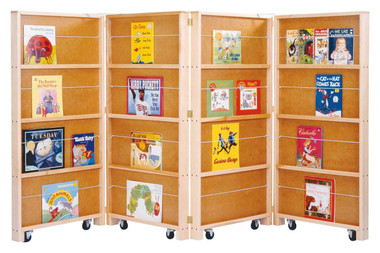
Portable room dividers provide the ultimate flexibility for preschool educators who need to reconfigure spaces throughout the day. These lightweight, freestanding panels work exceptionally well for creating temporary zones for small group instruction, quiet reading corners, or assessment areas. Rolling dividers with locking wheels offer stability during use while maintaining easy repositioning capabilities. Many models feature dual-sided surfaces that serve as both space dividers and interactive learning tools, such as magnetic boards or fabric panels for displaying student work.
Mobile Library Bookcase - 4 Sections
$1,125.57
Transform any space into a vibrant reading zone with the Mobile Library Bookcase - 4 Sections. This versatile bookcase is thoughtfully designed to enhance the...… read more
Shop Now!2. Acoustic Dividers for Noise Control
Sound management becomes critical in preschool environments where multiple learning activities occur simultaneously. Acoustic dividers with specialized sound-absorbing cores can achieve noise reduction coefficients up to 0.77, creating distinct quiet zones within busy classrooms. These dividers prove particularly valuable for establishing reading centers, computer stations, or spaces for children who need sensory breaks. The fabric coverings on quality acoustic panels also provide opportunities for customization with educational graphics or calming patterns that support the learning environment.
Quiet Sound Proof Panel Wall Divider 48" x 10' - 3 Colors

$1,386.00
Quiet Divider® Panel Wall - Acoustic Divider for Noise Control The Quiet Divider® Panel Wall helps create calm and quiet spaces. This acoustic room divider...… read more
Shop Now!3. Low Storage Units as Dual-Purpose Barriers
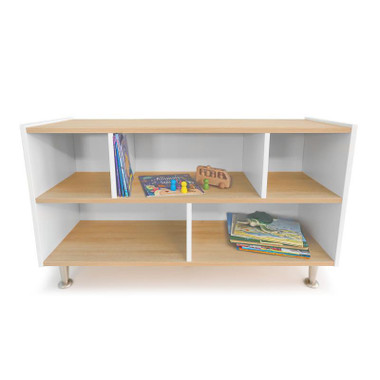
Storage-based dividers maximize classroom functionality by combining space division with organizational capabilities. Low shelving units, cubbies, and rolling storage carts create natural barriers between learning centers while keeping materials accessible and organized. These solutions work particularly well in preschool settings because they maintain sight lines for supervision while providing clear physical boundaries that young children can understand and respect. Properly positioned storage dividers also encourage independence as children learn to access and return materials to designated locations.
elevatED™ Storage Cabinet 27"H
$437.83
elevatED™ Storage Cabinet 27"H - Child-Height Modern Classroom Storage The elevatED™ Storage Cabinet 27"H delivers accessible, preschooler-height storage with refined modern style. Designed to keep...… read more
Shop Now!Strategic Placement for Maximum Learning Impact
The effectiveness of classroom dividers depends heavily on thoughtful placement that considers traffic flow, supervision requirements, and the specific needs of different learning activities. Strategic positioning creates functional learning centers while maintaining the flexibility needed for dynamic preschool environments.
Creating Distinct Activity Zones
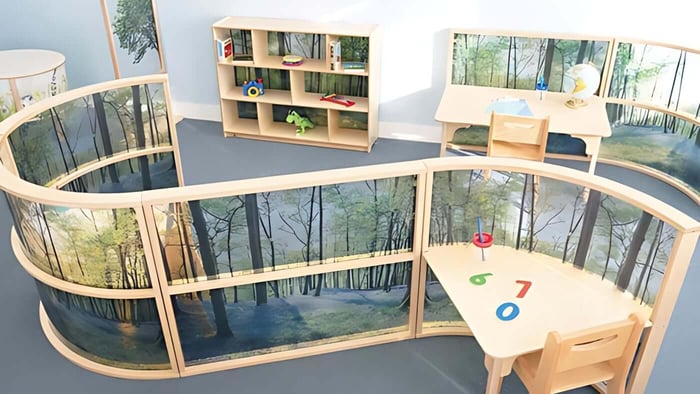
Effective zone creation involves designating specific areas for different types of learning activities, such as art corners, science exploration stations, dramatic play areas, and quiet reading nooks. Dividers should create enough separation to minimize cross-contamination of activities while allowing easy transitions between centers. For example, positioning a movable partition between the art center and library corner prevents paint and glue from migrating to books while still allowing children to move freely between creative and literacy activities. Visual cues like area rugs combined with low shelving effectively define learning zones without completely enclosing them, providing clear boundaries while maintaining an open, welcoming atmosphere.
Maintaining Sight Lines for Supervision
Preschool environments require constant visual supervision, making sight line preservation a critical consideration in divider placement. Low-profile dividers, clear acrylic panels, and strategically positioned gaps allow educators to monitor all areas of the classroom while still providing the benefits of defined spaces. Effective placement involves positioning taller dividers along walls or corners where supervision from multiple angles remains possible, while using shorter barriers in central areas. This approach ensures that children feel the independence of working in defined spaces while educators maintain the visual access necessary for safety and support.
Safety and Accessibility Requirements
Preschool classroom dividers must meet stringent safety standards while supporting the accessibility needs of all learners. Proper implementation requires attention to both regulatory compliance and practical safety considerations specific to early childhood environments.
1. Accessible Route Standards (36-Inch Walkways, 32-Inch Doorways)
ADA compliance mandates minimum pathway widths to accommodate wheelchairs, mobility aids, and emergency evacuation procedures. Classroom dividers must be positioned to maintain 36-inch walkways throughout the room and 32-inch clearances at any created doorways or passages. These requirements ensure that children with mobility differences can navigate the space safely while providing adequate room for educators to assist students and respond to emergencies. Planning divider placement using floor tape or temporary markers before installation helps verify compliance with accessibility standards.
2. Secure Anchoring and Stability Measures
Preschool-aged children naturally interact with their environment through climbing, pushing, and pulling behaviors that can destabilize improperly secured dividers. Weighted bases, floor anchors, or wall-mounting systems prevent tipping hazards while maintaining the flexibility needed for classroom reconfiguration. Rolling dividers require high-quality locking mechanisms that young children cannot accidentally disengage, while freestanding units need sufficient weight distribution to resist toppling. Regular inspection of anchoring systems ensures continued stability as hardware may loosen with repeated use.
3. Material Selection for Easy Sanitization
Early childhood environments require frequent cleaning and sanitization, making material selection vital for maintaining healthy learning spaces. Non-porous surfaces, antimicrobial fabrics, and easily replaceable components support effective hygiene protocols without compromising divider functionality. Avoid materials with complex textures or deep crevices that harbor bacteria, and prioritize finishes that withstand repeated cleaning with approved disinfectants. Fabric panels should be removable for washing, while hard surfaces should resist damage from daily sanitization procedures.
Proven Benefits Backed by Educational Research
Extensive research in early childhood education confirms that thoughtfully designed learning centers created with classroom dividers produce measurable improvements in student outcomes and classroom dynamics. These evidence-based benefits extend beyond simple organization to impact fundamental aspects of child development and learning.
Noise Reduction Creates Better Focus
Acoustic improvements through strategic divider placement directly correlate with improved concentration and task completion in preschool settings. Research demonstrates that reducing ambient noise by even modest amounts significantly improves young children's ability to process verbal instructions, engage in sustained attention tasks, and participate in peer conversations. Children with attention differences or sensory processing challenges show particularly marked improvement in environments where acoustic dividers create quieter, more predictable soundscapes. The reduction in auditory distractions also supports language development by making teacher instructions and peer interactions more intelligible.
Defined Spaces Foster Diverse Play and Learning for Social Development
Learning centers facilitate holistic development by simultaneously addressing various learning domains and allowing diverse learners to thrive with activities tailored to different skill levels. Research indicates that children in well-defined center-based environments demonstrate improved social behaviors, better communication skills, and greater confidence in learning compared to those in traditional classroom arrangements. The physical boundaries created by dividers help children understand social expectations for different activities, supporting the development of self-regulation and cooperative play skills. Additionally, center-based learning promotes active engagement through hands-on activities that build foundation skills across multiple developmental domains simultaneously.
Start Building Effective Learning Centers Today
Implementing classroom dividers to create functional learning centers requires careful planning but delivers immediate benefits for both educators and young learners. Begin by assessing current classroom challenges, identifying specific learning goals, and selecting divider types that align with teaching style and student needs. Start small with one or two strategic placements to test effectiveness before expanding to full classroom division. Remember that the most successful learning centers evolve through observation and adjustment based on how children actually use the spaces.
The investment in quality classroom dividers pays dividends through improved student engagement, better learning outcomes, and more effective classroom management. Early learning centers contribute to long-term benefits including better school performance, improved social behavior, better communication skills, and greater confidence in learning that extend well beyond the preschool years. Success lies in viewing dividers not as barriers but as tools that create opportunities for focused learning, meaningful social interaction, and independent activities within a structured, supportive environment.
For preschool educators ready to transform their learning environments, Little People's Cove provides specialized resources and products designed to create engaging, safe, and effective early childhood learning spaces.
FAQs
Do classroom dividers help reduce noise and distractions?
Yes. Dividers can lower visual distractions and help separate louder centers from quieter ones, which is especially useful in early learning rooms.
Can teachers still supervise children with dividers in place?
They should. Good classroom dividers are chosen and placed so teachers can maintain clear sightlines and avoid blind spots.
Are classroom dividers safe for preschoolers?
They can be, as long as they are stable, age-appropriate, and positioned to keep walkways clear and traffic flowing safely.
What types of classroom dividers work best for preschool?
The best option depends on your space, but teachers often look for flexible, easy-to-move solutions that can support centers, small groups, and changing daily routines.
How can I make my classroom feel organized without making it feel crowded?
Start by choosing dividers that fit your space and support the activities you use most often. A simple, thoughtful layout can make the classroom feel open, welcoming, and easy for children to enjoy.