Wall-Mounted Light Brites vs. Tabletops: The Better Pick for Toddler Skills
Table of Contents
- Your child's Light Brite setup might be sabotaging their motor development. New 2024 research reveals why vertical wall-mounted systems build core strength, shoulder stability, and postural control that tabletop versions physically cannot replicate—and which format your child actually needs.
- Key Takeaways
- Wall-Mounted Light Brites Build Core Strength and Postural Control
- How Vertical Surface Play Develops Upper Body Strength
- 2024 Research Proves Vertical Surfaces Superior for Motor Skills
- Where A Tabletop Light Brite Offers Unique Advantages
- Developmental Goals Guide Equipment Selection
- Clinical Applications and Success Stories
- Choose Wall-Mounted Systems for Foundational Motor Development
- FAQs
Your child's Light Brite setup might be sabotaging their motor development. New 2024 research reveals why vertical wall-mounted systems build core strength, shoulder stability, and postural control that tabletop versions physically cannot replicate—and which format your child actually needs.
Key Takeaways
- Wall-mounted Light Brites uniquely develop gross motor skills, core strength, and postural stability that tabletop versions cannot replicate
- 2024 research proves vertical surface activities are superior for building upper body strength and motor control in children with disabilities
- Tabletop Light Brites excel in fine motor precision and stable surface work, making format selection dependent on specific developmental goals
- Wall-mounted systems promote bilateral integration and collaborative play that enhances sensory processing outcomes
- Clinical applications show wall systems create dramatic improvements in regulation and motor planning skills
The format of your Light Brites setup determines which motor skills develop most effectively. While both wall-mounted and tabletop versions offer valuable therapeutic benefits, the vertical versus horizontal orientation creates fundamentally different movement patterns and developmental outcomes that pediatric therapists must consider when selecting equipment for specific treatment goals.
Wall-Mounted Light Brites Build Core Strength and Postural Control
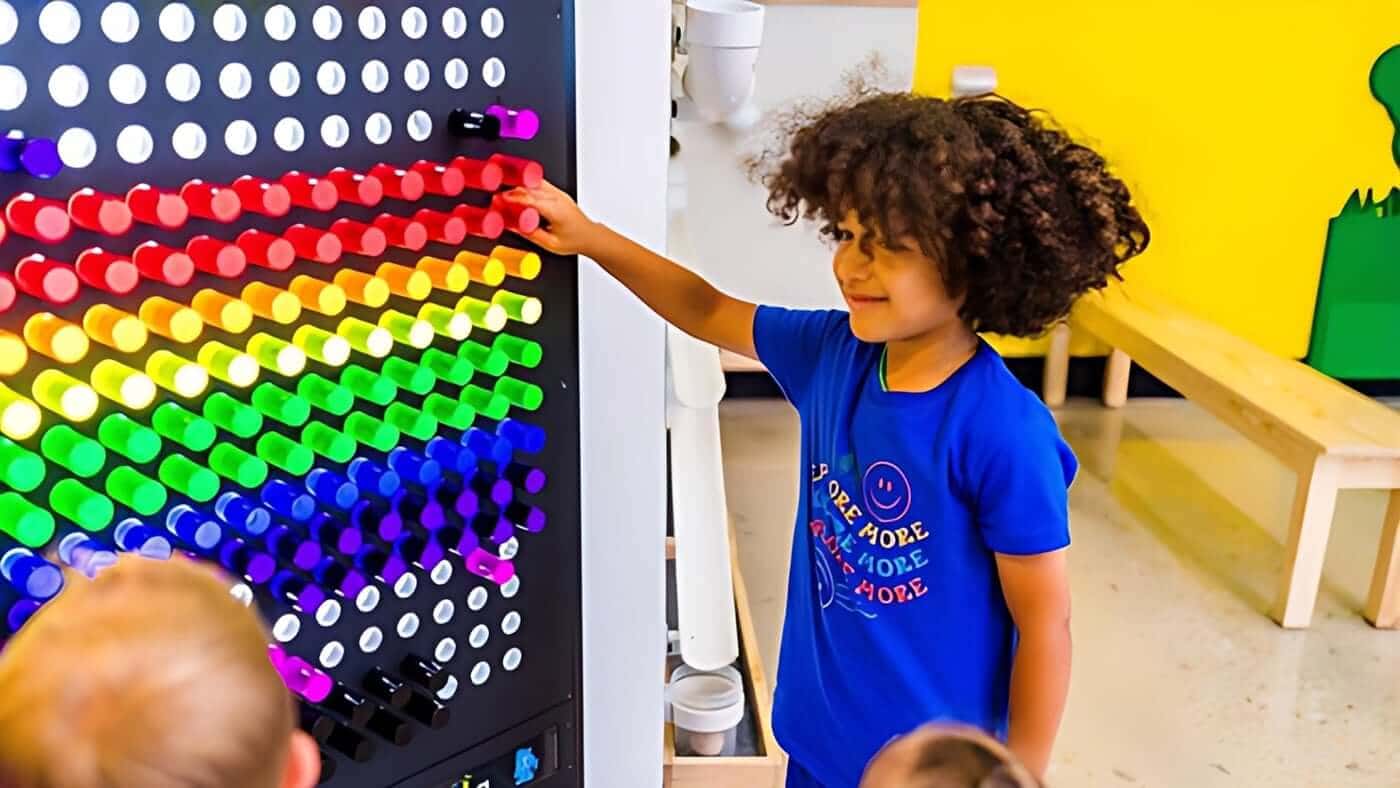
Wall-mounted Light Brite systems force children into an upright, weight-bearing position that naturally engages core muscles and postural control mechanisms. Unlike tabletop activities where children can slouch or lean, vertical surface work demands active stabilization of the trunk and spine throughout the entire play session.
This sustained postural challenge creates foundational strength that transfers to classroom sitting, playground activities, and daily living tasks. The vertical orientation requires children to maintain an erect posture while coordinating fine motor movements, building the endurance necessary for extended academic work. Little People's Cove offers wall-mounted light systems that provide these postural benefits through thoughtful design.
The constant activation of core muscles during wall play develops the deep stabilizing muscles that support proper spine alignment. This foundation proves valuable for children with hypotonia or postural weakness, as the engaging light display motivates sustained vertical positioning that builds strength incrementally over multiple sessions.
How Vertical Surface Play Develops Upper Body Strength
Shoulder Stability From Reaching Movements
Working against gravity on a vertical surface challenges shoulder girdle muscles in ways that horizontal activities cannot match. Every peg placement requires active shoulder stabilization while the arm moves through various ranges of motion. The muscles surrounding the shoulder joint must work continuously to maintain arm position against gravitational pull, building endurance and strength simultaneously.
This shoulder stability directly impacts handwriting readiness, as stable shoulders provide the foundation for controlled wrist and finger movements. Children who struggle with writing fatigue often lack adequate shoulder girdle strength, making wall-mounted activities particularly beneficial for pre-writing skill development.
Core Engagement During Standing Play
Standing at a wall-mounted surface activates the entire kinetic chain from feet through core to shoulders. The body must maintain balance while reaching across the body's midline, engaging oblique muscles and deep abdominal stabilizers. This full-body coordination builds the motor planning skills necessary for complex movements.
The standing position also improves weight shifting abilities as children reach to different areas of the light panel. This weight transfer practice strengthens balance reactions and prepares children for sports and playground activities requiring quick directional changes.
Bilateral Integration and Non-Dominant Arm Stabilization
Wall activities naturally promote bilateral coordination as one hand places pegs while the other stabilizes against the surface or holds additional materials. This bilateral integration proves valuable for academic tasks requiring simultaneous use of both hands, such as cutting while holding paper or writing while stabilizing the page.
The non-dominant arm develops stabilizing strength that rarely occurs during tabletop activities where children can rest both arms on the surface. This bilateral coordination improves overall motor efficiency and reduces compensatory movement patterns.
LiteZilla Giant Lite Brite 8' x 5' Light Wall
$22,000.00
LiteZilla Giant Lite Brite Interactive Light Wall - 8' x 5' Ultra-Wide LED Display Make a dramatic visual impact with LiteZilla Giant Lite Brite, an… read more
Shop Now!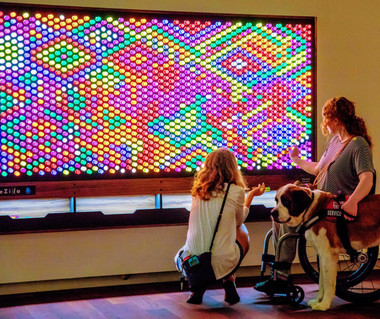
2024 Research Proves Vertical Surfaces Superior for Motor Skills
Ghoneim et al. Study on Unilateral Cerebral Palsy Children
A groundbreaking 2024 study by Ghoneim and colleagues demonstrated that working on vertical surfaces produces superior upper limb motor skill development compared to horizontal surface activities, particularly in children with unilateral cerebral palsy. The research showed measurable improvements in motor control and coordination when therapeutic activities moved from table-based to wall-based formats.
The study's findings support what occupational therapists have observed clinically: vertical surface work challenges the motor system in unique ways that promote neuroplasticity and skill acquisition. The research validates the therapeutic value of wall-mounted interactive systems for children with varying abilities.
Wrist Extension Improvements
The research highlighted improvements in wrist extension when children engaged in vertical surface activities. Proper wrist extension proves valuable for functional hand use, as it positions the fingers optimally for precision movements and strength generation.
Wall-mounted activities naturally promote this optimal wrist position, whereas tabletop work often allows wrist flexion that reduces hand function. The vertical orientation encourages the therapeutic wrist extension position without requiring constant verbal cues from therapists, making skill development more automatic and sustainable.
Where A Tabletop Light Brite Offers Unique Advantages
Stable Surface for Precise Peg Placement
Tabletop Light Brites provide an inherently stable work surface that supports precise fine motor movements. The horizontal orientation allows children to rest their forearms on the surface, reducing fatigue and enabling sustained attention to detailed work. This stability proves particularly beneficial for children with tremors, weakness, or attention challenges who need maximum support for fine motor tasks.
The stable surface also facilitates template use and pattern following, as children can manipulate paper guides without fighting gravity. This makes tabletop versions ideal for structured activities requiring precise replication of designs or letter formation practice.
Easier Access for Small Hands and Sitting Play
Younger children and those with limited reach benefit from tabletop positioning that brings the entire activity surface within easy grasp. The horizontal format eliminates height barriers and allows children to work comfortably from wheelchairs or adapted seating without struggling against gravity.
Tabletop versions also work well for children who fatigue easily, as the supported position reduces overall energy expenditure while still providing valuable fine motor and visual-perceptual benefits. The sitting position offers better trunk support for children with postural challenges who are not yet ready for vertical surface work.
IllumiTable Light Bright Table
$3,850.00
IllumiTable Light Bright Table - LED Activity Table for Creative Play Spark creativity with the IllumiTable™ Light Bright Table – Black HDPE. This LED light… read more
Shop Now!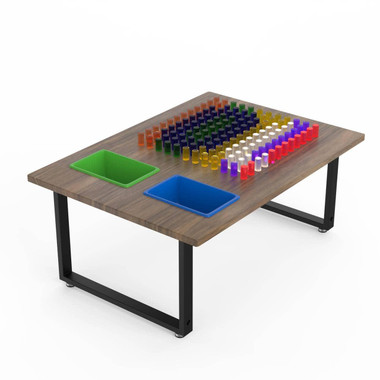
Developmental Goals Guide Equipment Selection
Gross Motor and Postural Goals: Choose Wall-Mounted
When treatment goals include improving core strength, postural endurance, shoulder stability, or overall gross motor coordination, wall-mounted systems provide superior therapeutic value. The vertical format inherently addresses these foundational skills while maintaining high engagement through the interactive light display.
Children working on standing tolerance, balance reactions, or weight-bearing activities benefit most from wall installations. The format naturally incorporates these therapeutic elements into motivating play, reducing the need for separate exercises or activities.
Fine Motor Precision Focus: Consider Tabletop Stability
For goals emphasizing precise finger movements, hand-eye coordination, or detailed visual-motor tasks, tabletop versions offer advantages through their stable, supportive surface. The reduced postural demands allow maximum attention and energy to focus on fine motor skill refinement.
Children working on pre-writing skills, scissors use, or other tool manipulation may initially benefit from tabletop practice before progressing to the more challenging wall-mounted format. The progression from horizontal to vertical surface work follows natural developmental sequences.
Collaborative Play and Sensory Integration: Wall Systems
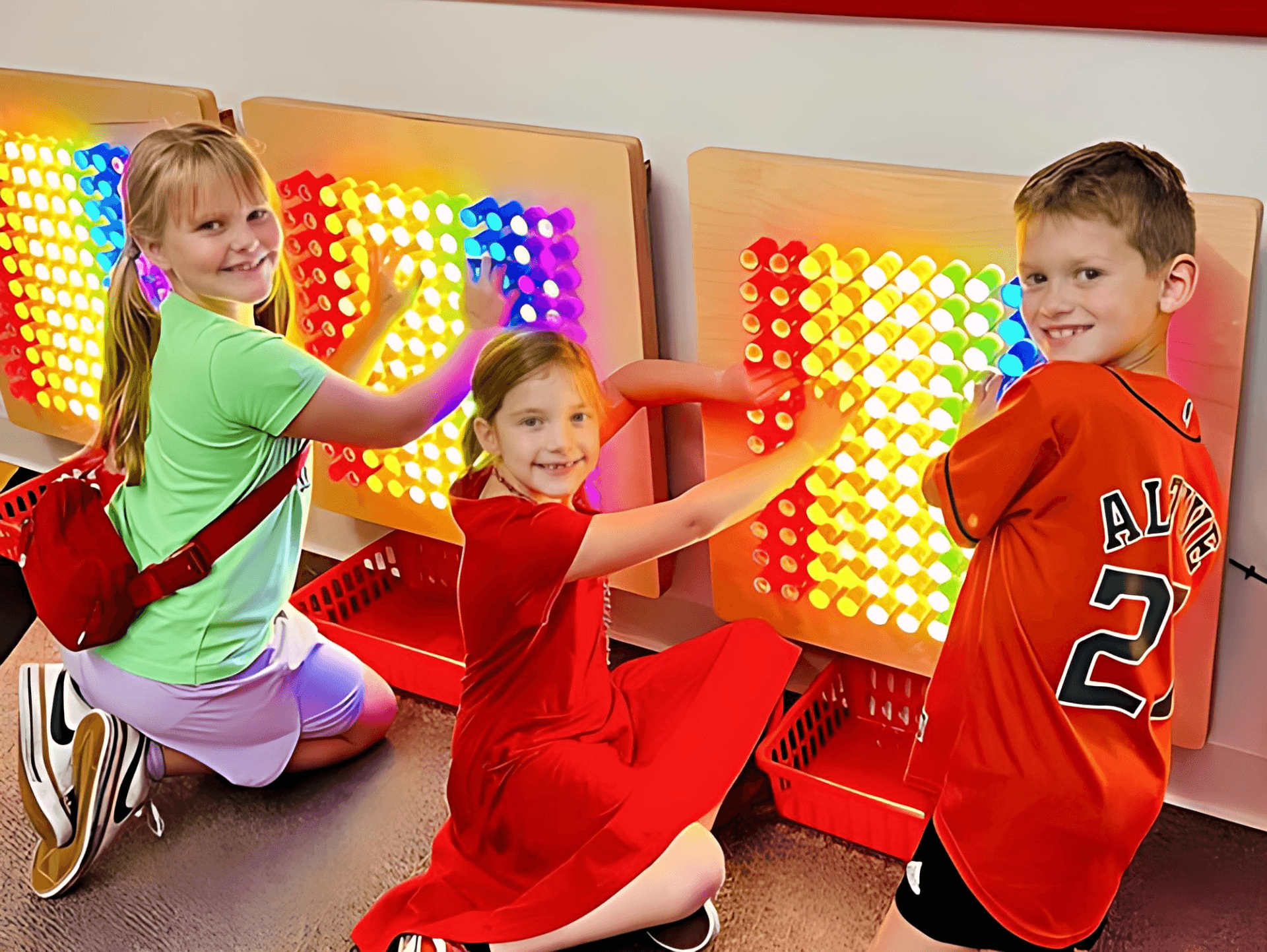
Wall-mounted Lite-Brites work well for promoting social interaction and collaborative play patterns that support sensory integration goals. Multiple children can work simultaneously without crowding, encouraging turn-taking, shared problem-solving, and peer interaction skills.
The large format and engaging visual display naturally draw groups together, creating opportunities for social skill development alongside motor skill building. This dual benefit proves particularly valuable in classroom and clinic settings where multiple therapeutic goals must be addressed simultaneously.
Clinical Applications and Success Stories
Sensory Room Integration
Recreation centers and therapy facilities have found wall-mounted light systems to be valuable additions to their sensory rooms, drawing individuals of all ages for creative play while encouraging engagement, imagination, and interaction. The wall-mounted format allows multiple users simultaneously, creating a natural gathering point that promotes social connection.
The engaging light display maintains attention longer than traditional therapy equipment, extending therapeutic exposure time naturally while providing the movement and sensory input many children need.
Educational Settings
Schools utilizing interactive light systems in their regulation areas report that students are naturally attracted to the displays. The wall-mounted format provides the movement and sensory input many students need to prepare for classroom success.
The standing, reaching, and coordinating movements appear to provide the sensory-motor input that supports classroom readiness and learning capacity.
Choose Wall-Mounted Systems for Foundational Motor Development
The evidence clearly supports wall-mounted Lite-Brite systems for developing the foundational motor skills that support all other developmental areas. While tabletop versions offer value for specific fine motor goals, the unique benefits of vertical surface work—including core strength, postural control, shoulder stability, and bilateral integration—cannot be replicated in horizontal formats.
The 2024 research confirmation of vertical surface superiority, combined with clinical success stories, validates the therapeutic investment in wall-mounted systems. These installations provide motor skill development that transfers broadly to academic, self-care, and recreational activities, maximizing therapeutic impact across multiple developmental domains.
For pediatric therapists and educators seeking equipment that builds foundational motor skills while maintaining high engagement, wall-mounted Lite-Brite systems deliver unmatched therapeutic value through their unique combination of postural challenge, motor skill development, and intrinsic motivation.
Learn how Little People's Cove creates therapeutic play environments that support motor skill development in clinical and educational settings.
FAQs
Are wall-mounted Light Brites good for toddler development?
Yes. Wall-mounted Light Brites can support fine motor skills, hand-eye coordination, color recognition, and early problem-solving. They also encourage focus and independent play.
What are the benefits of a wall-mounted Light Brite vs. a tabletop version?
A wall-mounted Light Brite saves floor space and encourages standing play, reaching, and movement. A tabletop version may be better for seated play and smaller groups.
Are Light Brites good for classrooms and playrooms?
Yes. Light Brites are a popular choice for classrooms, waiting areas, and playrooms because they are engaging, educational, and easy for young children to use.
How do I choose the right Light Brite for my toddler space?
Choose based on your room size, the number of children using it, and whether you want wall-mounted or tabletop play.